Maintaining pelvic health is fundamental to overall wellness, yet the importance of a strong pelvic floor is often overlooked in typical fitness routines. The pelvic floor muscles support critical functions, such as bladder control, bowel regulation, sexual health, and overall core stability.

Maintaining pelvic health is fundamental to overall wellness, yet the importance of a strong pelvic floor is often overlooked in typical fitness routines. The pelvic floor muscles support critical functions, such as bladder control, bowel regulation, sexual health, and overall core stability. Incorporating targeted pelvic floor exercises into your regular fitness regimen significantly enhances your overall health, boosts confidence, and prevents numerous pelvic health issues. In this blog, well explore why pelvic floor fitness is vital, the benefits of strengthening these muscles, and practical tips on integrating pelvic exercises into your daily routine effectively.
Understanding the Pelvic Floor: The Core of Your Core
Your pelvic floor is a group of muscles, ligaments, and connective tissues that support vital pelvic organs, including the bladder, uterus, and rectum. It acts as a foundational structure stabilizing your core, essential for everyday activities like standing, walking, lifting, and exercising. However, despite its crucial role, many fitness enthusiasts neglect these muscles, unknowingly leaving themselves vulnerable to pelvic floor disorders.
The Benefits of Strengthening Your Pelvic Floor
Strengthening your pelvic floor muscles through regular, targeted exercises brings numerous health and wellness benefits, including:
Improved Bladder and Bowel Control
Weak pelvic floor muscles often lead to urinary and fecal incontinence, affecting daily comfort and confidence. Strengthening exercises, like Kegels, significantly improve muscle control, dramatically reducing the frequency and severity of these episodes.
Reduced Risk of Pelvic Organ Prolapse
Regular pelvic exercises support and stabilize pelvic organs, minimizing the risk of prolapsea condition where organs drop due to weakened muscles. Strong pelvic muscles act as preventive measures, safeguarding pelvic health proactively.
Enhanced Core Stability and Better Posture
Your pelvic floor directly contributes to core stability, helping support your spine and pelvis. Strengthening these muscles improves overall posture, reduces lower back pain, and boosts your physical performance in various activities and exercises.
Improved Sexual Health and Function
A strong pelvic floor can significantly enhance sexual satisfaction by improving sensation and control during intercourse. Additionally, pelvic exercises can address issues like discomfort or pain, leading to healthier, more fulfilling intimacy.
Faster Postpartum Recovery
Pregnancy and childbirth place immense strain on pelvic muscles. Proactively strengthening your pelvic floor before, during, and after pregnancy facilitates quicker postpartum recovery, restores pelvic function, and reduces risks of complications.
How to Strengthen Your Pelvic Floor Muscles
Pelvic floor strengthening is achievable through specific targeted exercises integrated seamlessly into your daily fitness routines. Here are several effective and physiotherapist-recommended approaches:
Kegel Exercises
Kegels are foundational exercises specifically designed to strengthen pelvic floor muscles. These exercises involve repeatedly contracting and relaxing the pelvic muscles, similar to stopping and starting the flow of urine. Perform them consistently to gradually build strength and endurance in your pelvic muscles.
Pelvic Floor Muscle Training with Physiotherapy Guidance
Working with a pelvic health physiotherapist can help you correctly identify and activate your pelvic floor muscles. Physiotherapists utilize biofeedback techniques and personalized exercise plans, ensuring optimal outcomes tailored to your unique pelvic health needs.
Pilates and Yoga
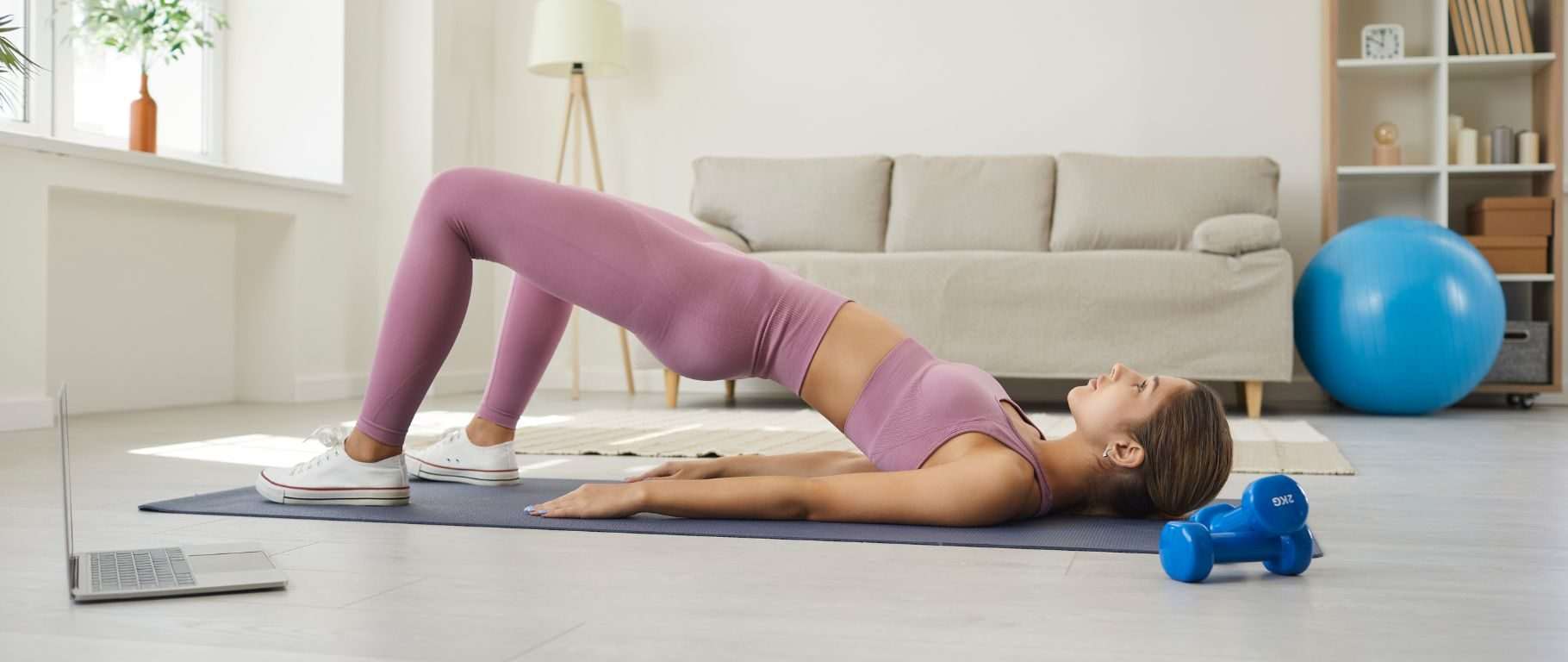
Pilates and yoga incorporate many movements that naturally engage and strengthen the pelvic floor muscles. Exercises such as bridges, pelvic tilts, squats, and specific yoga poses, like the bridge pose and goddess squat, effectively promote pelvic muscle activation and strengthening.
Core and Pelvic Floor Coordination Exercises
Incorporating exercises that combine core activation with pelvic floor engagement is highly beneficial. Activities like modified planks, stability ball exercises, and breathing techniques enhance muscle coordination, improve stability, and optimize pelvic floor strength and function.
Practical Tips for Incorporating Pelvic Exercises into Your Fitness Routine
Integrating pelvic exercises into your regular fitness routine need not be challenging. Here are some practical tips to help you get started effectively:
Consistency Matters: Aim for brief daily sessions, gradually increasing duration and intensity as you build strength.
Combine Pelvic Floor and Core Workouts: Include pelvic floor exercises alongside traditional core-strengthening routines to enhance overall muscle integration.
Utilize Physiotherapy Resources: Consult a pelvic floor physiotherapist for personalized exercise plans, accurate technique guidance, and ongoing support.
Mindfulness and Breathing Techniques: Incorporate mindful breathing into your workouts, synchronizing pelvic muscle contractions and releases with controlled breathing, enhancing both relaxation and muscle engagement.
Preventative Benefits for Long-Term Wellness
A proactive approach to pelvic health through regular strengthening exercises helps prevent future complications. Women of all agesespecially those planning pregnancies, experiencing menopause, or engaging in high-impact sportsbenefit immensely from pelvic health fitness. Regular strengthening routines provide protective, long-lasting benefits, significantly reducing risks associated with pelvic floor dysfunctions.
Recognizing When to Seek Additional Help
Despite proactive measures, some women may experience persistent pelvic floor concerns, such as discomfort, incontinence, or muscle tightness. If these issues arise, seeking professional physiotherapy assessment and guidance is vital. A pelvic health physiotherapist can identify underlying issues, customize treatment plans, and provide advanced therapies, such as biofeedback and manual therapy, enhancing your pelvic health outcomes significantly.
Conclusion: Prioritize Pelvic Health for Complete Wellness
Pelvic floor strength plays a pivotal role in comprehensive wellness. Integrating targeted pelvic exercises into your fitness routine dramatically improves physical health, emotional well-being, and overall quality of life. Prioritizing your pelvic health now empowers you to enjoy lifelong comfort, confidence, and wellness, ensuring your bodys core foundation remains robust and resilient for years to come.