Pelvic health is foundational to overall fitness, yet it’s often overlooked in traditional workout programs. Strengthening the pelvic floor is not just about avoiding incontinenceit’s about building a stable, functional, and resilient core that supports your reproductive and musculoskeletal health throughout life.

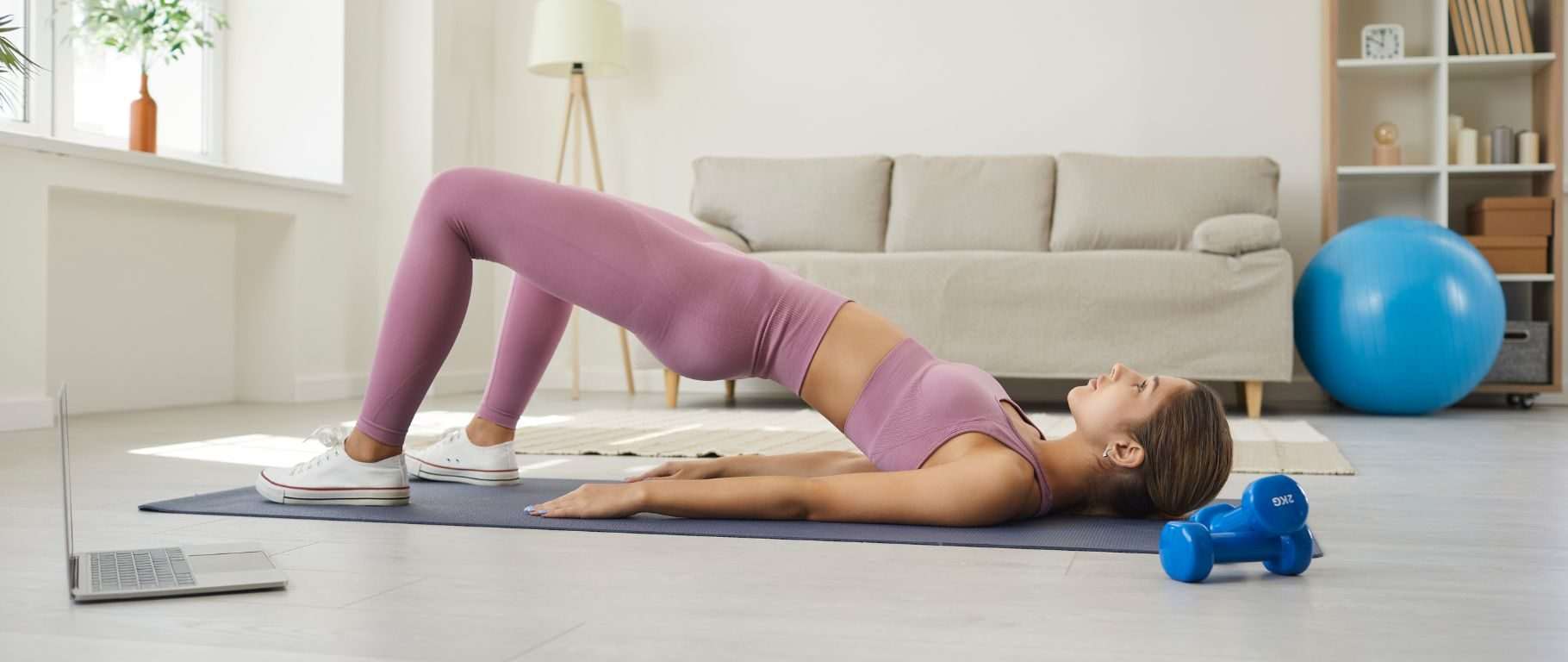
Pelvic health is foundational to overall fitness, yet it’s often overlooked in traditional workout programs. Strengthening the pelvic floor is not just about avoiding incontinenceit’s about building a stable, functional, and resilient core that supports your reproductive and musculoskeletal health throughout life.
Whether youre exercising regularly or just starting out, integrating pelvic floor strengthening into your fitness routine is essential for total body wellness.
What Is the Pelvic Floor and Why Is It Important?
The pelvic floor is a group of muscles, ligaments, and connective tissues that form a hammock at the base of the pelvis. These muscles support key organs such as the bladder, uterus, and rectum. They also play a major role in:
Core stability
Sexual health and satisfaction
Urinary and bowel control
Postural alignment
Breathing coordination
When the pelvic floor is weak, uncoordinated, or overactive, it can lead to multiple health concerns such as leakage during exercise, prolapse, lower back pain, or painful intercourse.
The Link Between Pelvic Strength and Fitness Performance
Your pelvic floor is part of your deep core system, working alongside the diaphragm, abdominal muscles, and spine stabilizers. A strong pelvic floor ensures:
Better stability during squats, planks, or lifts
Improved balance and posture
Safer weightlifting form
Enhanced endurance and breath control
Reduced risk of injury in the hips, back, and knees
Ignoring pelvic floor fitness can compromise your performance and increase injury risks, especially in high-impact activities or during life stages like pregnancy, postpartum recovery, and menopause.
Signs You Might Need Pelvic Floor Strengthening
Many people arent aware that their pelvic floor needs attention until symptoms appear. Some common signs include:
Leaking urine while sneezing, running, or laughing
Frequent urge to urinate
Pain in the pelvic region or during intimacy
Lower abdominal heaviness or bulging
Poor posture or core instability
Even without noticeable symptoms, proactive pelvic floor strengthening helps improve body awareness and prevent future dysfunction.
How Physiotherapists Guide Pelvic Floor Training
Unlike generic exercises, pelvic floor training guided by a physiotherapist is tailored to your unique muscle tone, alignment, and symptoms. At YFS, our approach involves:
Assessment of pelvic floor muscle strength and coordination
Biofeedback to help engage the right muscles without over-tightening
Progressive strengthening routines matched to your daily activity level
Education on breath control and intra-abdominal pressure management
Functional training integration to build pelvic awareness into workouts
We help you understand the difference between Kegels done correctly and those done poorly. Not every pelvic floor issue is due to weaknesssometimes muscles are too tight or uncoordinated. Thats why expert supervision matters.
Strengthening for Different Life Stages
Pelvic floor fitness isn’t just for postpartum recovery. It supports:
Adolescents during growth and sport participation
Pregnant women preparing for childbirth
Postpartum recovery to restore support and control
Menopausal women dealing with hormonal changes
Seniors maintaining continence and balance
Each life stage introduces new physical demands, and keeping the pelvic floor strong helps the body adapt and stay resilient.
Combining Fitness and Function
Pelvic floor exercises arent isolatedtheyre functional. A well-trained pelvic floor activates during your everyday movements: lifting groceries, getting out of bed, or doing lunges. When these muscles are strong and responsive, you move with confidence and control.
The YFS Difference in Pelvic Fitness
At YFS, we believe pelvic fitness is fundamental, not optional. We combine physiotherapy expertise with education and practical exercises you can integrate into daily life or your regular fitness routine.
Our programs are designed to:
Build pelvic resilience
Prevent common pelvic health issues
Optimize posture and breathing
Enhance body confidence and core strength
Conclusion
Strengthening your pelvic floor is not just about eliminating symptomsits about optimizing your foundation for life. Whether you’re facing changes from menopause or simply want to enhance your overall wellness, pelvic floor physiotherapy at YFS can help you move better, feel stronger, and live with confidence.
Let your pelvic floor be your power centernot your weak link.