Pelvic health is a vital yet often overlooked component of overall wellness for women. The pelvic floor muscles support important organs like the bladder, uterus, and bowel, and contribute to continence, sexual function, and core stability.

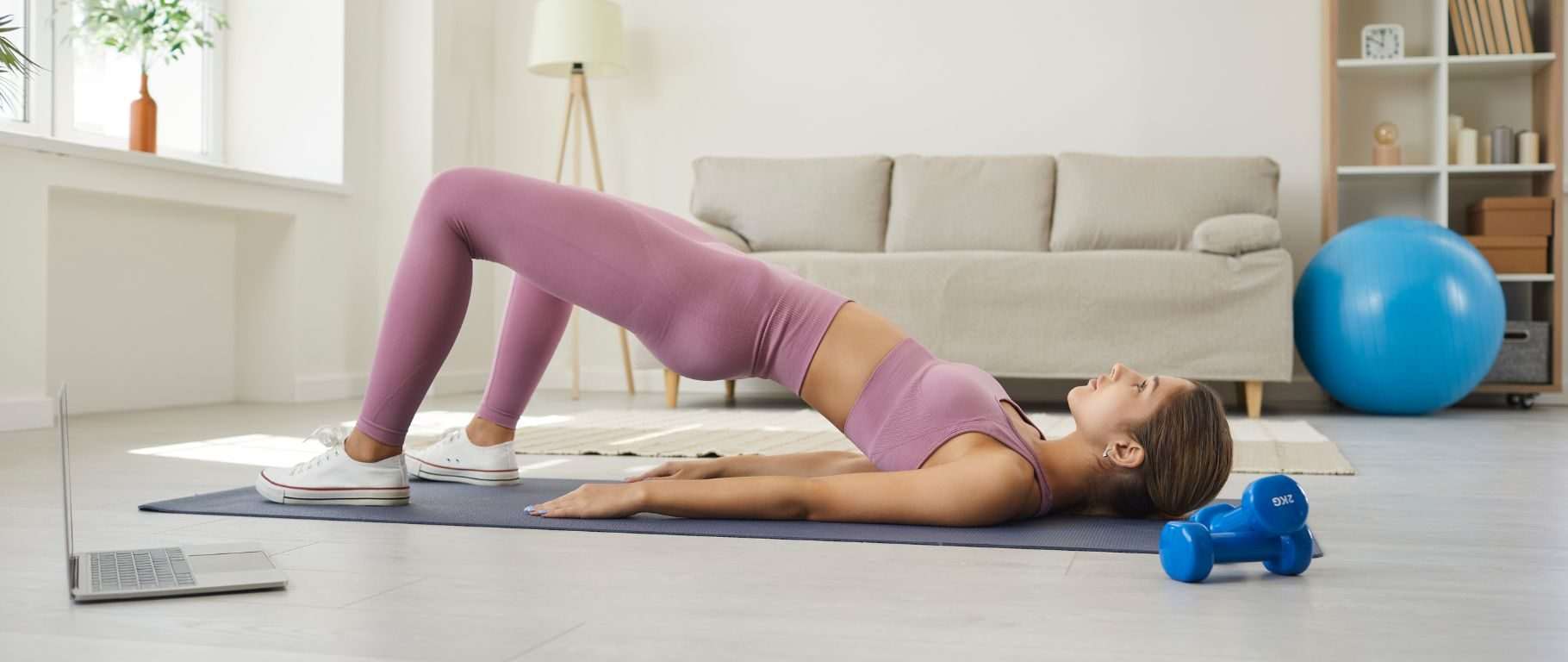
Pelvic health is a vital yet often overlooked component of overall wellness for women. The pelvic floor muscles support important organs like the bladder, uterus, and bowel, and contribute to continence, sexual function, and core stability. Despite their critical role, many women remain unaware of how to maintain and protect their pelvic health. Increasing pelvic health awareness empowers women to prevent common issues and improve their quality of life.
Why Pelvic Health Matters
The pelvic floor muscles endure significant stresses throughout a womans life, especially during pregnancy, childbirth, aging, and menopause. Weakness or dysfunction in these muscles can lead to problems such as urinary or fecal incontinence, pelvic organ prolapse, pelvic pain, and sexual dysfunction. These conditions can affect women physically and emotionally, impacting daily activities, self-confidence, and intimate relationships.
Maintaining pelvic health is essential for avoiding these complications and promoting long-term wellness. Awareness about pelvic health encourages women to take proactive steps, seek help when needed, and engage in preventive practices.
Key Pelvic Health Tips for Women
Practice Regular Pelvic Floor Exercises
Incorporate pelvic floor strengthening exercises, like Kegels, into your daily routine. These exercises help maintain muscle tone, improve continence, and support pelvic organs.
Seek Professional Guidance
If you experience symptoms such as leakage, pelvic pain, or a feeling of heaviness, consult a pelvic floor physiotherapist. Early assessment and treatment can prevent worsening symptoms.
Maintain a Healthy Weight
Excess weight increases pressure on pelvic muscles and organs, contributing to dysfunction. Maintaining a healthy weight supports pelvic floor strength.
Stay Active and Maintain Core Strength
Engage in regular physical activity that includes core strengthening and flexibility exercises. A strong core supports the pelvic floor and improves posture.
Practice Good Posture and Body Mechanics
Avoid prolonged sitting or heavy lifting without proper technique. Use ergonomics and posture awareness to reduce strain on your pelvic floor.
Manage Bladder and Bowel Habits
Avoid holding urine for long periods and practice proper toileting posture to reduce pelvic floor strain. Prevent constipation by consuming a fiber-rich diet and staying hydrated.
Understand the Impact of Life Stages
Pregnancy, childbirth, and menopause can affect pelvic health. Being informed allows women to take preventive or rehabilitative action during these critical times.
Avoid Smoking
Smoking can cause chronic coughing, which strains the pelvic floor and increases risk of incontinence.
The Role of Education and Awareness
Pelvic health education reduces stigma and misconceptions. Many women mistakenly believe pelvic floor problems are inevitable or untreatable. Awareness encourages open conversations, timely help-seeking, and adherence to treatment plans, which improves outcomes.
Healthcare providers, community groups, and online resources can all contribute to spreading pelvic health awareness. Women should feel empowered to ask questions, seek support, and advocate for their pelvic wellness.
Conclusion
Pelvic health is a cornerstone of womens overall well-being, yet it remains under-discussed and under-prioritized. By adopting simple habits such as pelvic floor exercises, healthy lifestyle choices, and seeking early professional advice, women can protect their pelvic health and enhance their quality of life. Increasing pelvic health awareness is key to breaking taboos and encouraging proactive care. Every woman deserves to understand and nurture her pelvic health throughout lifes stages.