Pregnancy and postpartum are unique periods in a womans life, both physically and emotionally. The pelvic floor undergoes tremendous changes to support the growing baby and adapt to childbirth.

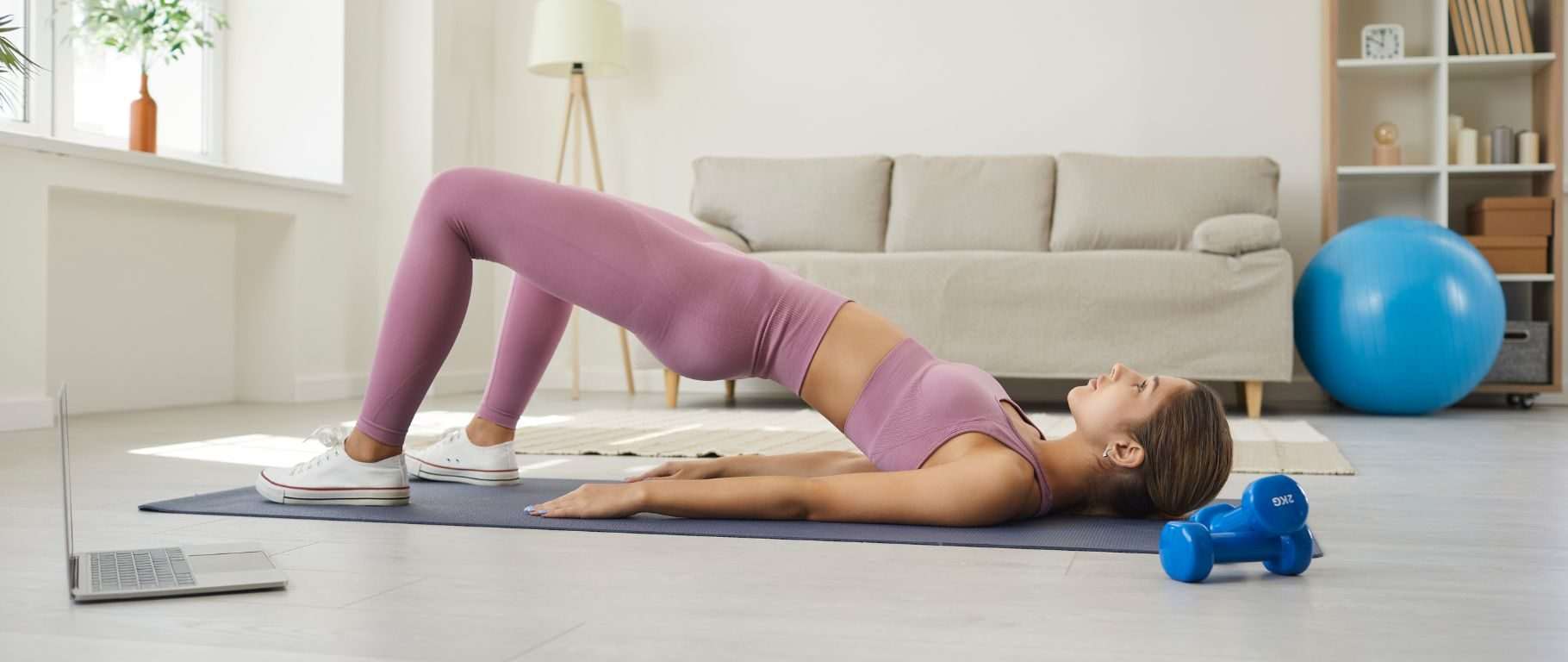
Pregnancy and postpartum are unique periods in a womans life, both physically and emotionally. The pelvic floor undergoes tremendous changes to support the growing baby and adapt to childbirth. While these changes are natural, they often bring discomfort, dysfunction, or injury. Physiotherapy provides a safe and effective path to support pelvic health during and after pregnancy, helping women move, breathe, and recover with strength and confidence.
Pregnancy: The Pelvic Floor Under Pressure
During pregnancy, the body experiences:
Increased intra-abdominal pressure
Hormonal softening of ligaments and joints
Changes in posture and spinal alignment
Pelvic organ shifting and growing uterine weight
These changes can lead to symptoms such as urinary incontinence, back or pelvic pain, heaviness, and fatigue. Physiotherapy focuses on proactive carehelping pregnant women maintain alignment, strengthen support muscles, and prepare the pelvic floor for delivery.
Prenatal Physiotherapy Solutions
Pelvic Floor Muscle Training
Learning how to activate and relax the pelvic floor builds awareness and strength. These exercises support bladder control and delivery preparation.
Breathing and Core Activation
Coordinating breath with movement reduces pelvic pressure and protects the abdominal wall, which is crucial for preventing diastasis recti.
Posture Coaching
Proper alignment reduces unnecessary strain on the pelvis and spine. Physiotherapists teach sustainable positions for sleep, sitting, and lifting.
Pain Management Techniques
Targeted manual therapy and movement routines address pregnancy-related pain like pubic symphysis dysfunction or sciatic pain.
Postpartum Recovery: Rebuilding from the Inside Out
Childbirth, whether vaginal or cesarean, deeply impacts the pelvic floor. Recovery is not automaticmany women experience:
Leaking urine or gas
Pain with intimacy
Sensation of heaviness or bulging
Weak core and instability
Physiotherapy provides a structured, evidence-based approach to rebuild the pelvic floor, restore core integrity, and ease the transition back to movement and intimacy.
Postnatal Physiotherapy Focus Areas
Pelvic Floor Rehabilitation: Strengthening weak or stretched muscles to restore continence and support.
Scar Tissue Mobilization: Gentle treatment for C-section or perineal scar tightness and discomfort.
Diastasis Recti Recovery: Reconnecting abdominal muscles through safe progression of core engagement.
Gradual Return to Exercise: Safe planning of physical activity to prevent overload or re-injury.
Benefits of Physiotherapy for Maternal Wellness
Faster postpartum healing
Reduced risk of long-term pelvic floor issues
Improved comfort during pregnancy
Enhanced connection with the core and pelvic area
Increased energy and mobility
Conclusion
Pelvic health isnt just a postpartum concernits a journey that begins during pregnancy and continues long after childbirth. At YourFormSux, we support women at every step with safe, evidence-based physiotherapy tailored to each bodys needs. Whether youre preparing for labor, managing discomfort, or rebuilding after delivery, pelvic floor physiotherapy offers the tools to move with ease, confidence, and strength.