Pelvic health is a cornerstone of womens well-being, yet many women live with undiagnosed or untreated pelvic floor issues that affect their daily lives. From urinary incontinence to chronic pelvic pain, these conditions are often normalized, minimized, or misunderstood.

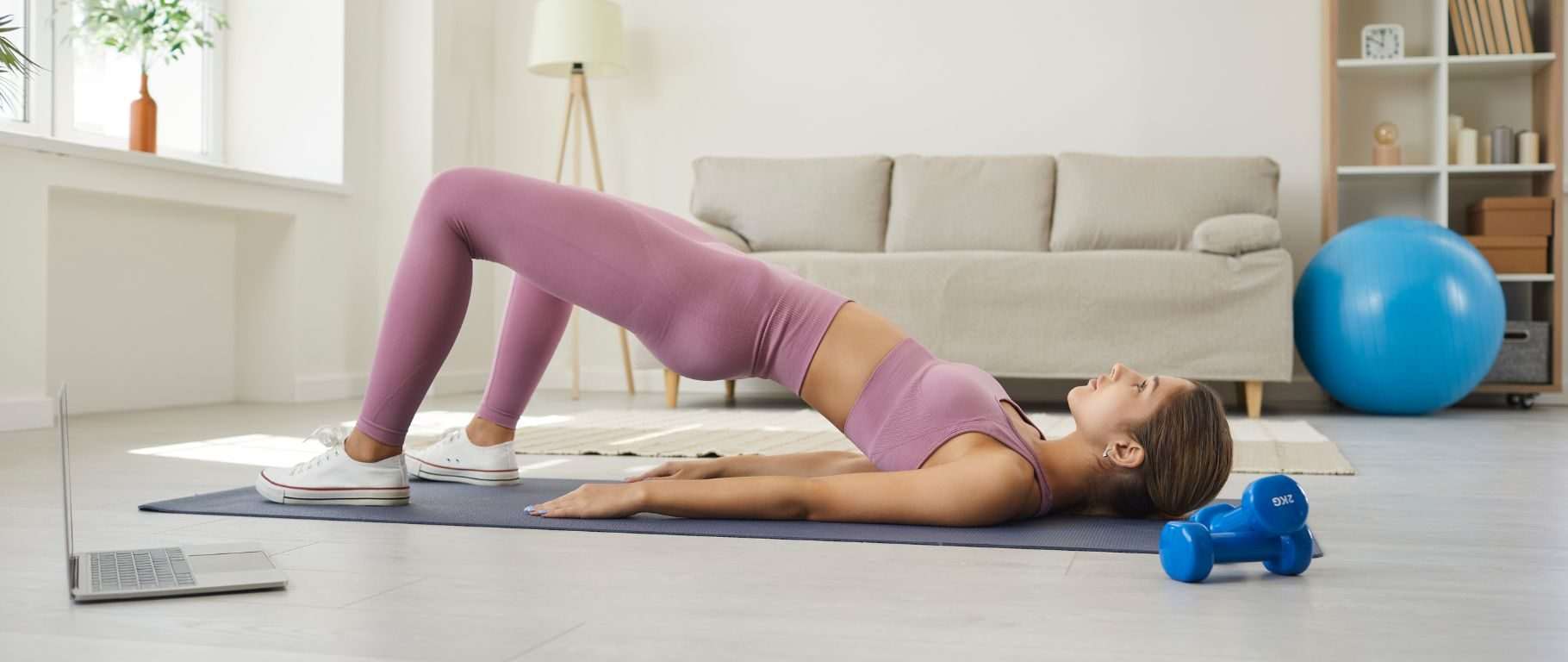
Pelvic health is a cornerstone of womens well-being, yet many women live with undiagnosed or untreated pelvic floor issues that affect their daily lives. From urinary incontinence to chronic pelvic pain, these conditions are often normalized, minimized, or misunderstood. Physiotherapy offers a comprehensive and empowering approach to improving pelvic health, restoring confidence, and enhancing overall quality of life.
Whether you’re recovering from childbirth, experiencing menopause, or dealing with long-term discomfort, pelvic floor physiotherapy can help you take control of your body and health in a meaningful, sustainable way.
The Importance of Pelvic Health
The pelvic floor is a group of muscles and connective tissues that support the bladder, uterus, rectum, and vagina. These muscles play a key role in bladder and bowel control, sexual function, core stability, and posture. When the pelvic floor is strong and functional, it contributes to better mobility, energy, and freedom in everyday activities. When it is weak, tight, or uncoordinated, the consequences can include pain, incontinence, pressure, and discomfort.
Many women dont realize that their back pain, hip stiffness, or even digestive issues may be rooted in poor pelvic floor function. Thats why a pelvic health assessment by a trained physiotherapist is an essential step toward long-term well-being.
Common Pelvic Health Concerns in Women
Women face unique pelvic health challenges across different life stages. Common issues include:
Urinary incontinence (stress or urge-related)
Pelvic organ prolapse
Chronic pelvic pain
Pain during or after intercourse
Postpartum muscle weakness or tearing
Constipation or bowel dysfunction
Lower back or hip pain linked to poor pelvic stability
These symptoms can impact work, relationships, sleep, and emotional health. Physiotherapy provides targeted solutions that address the root of these problems, rather than just the symptoms.
How Physiotherapy Improves Pelvic Health
Pelvic floor physiotherapy is a specialized form of care that evaluates and treats the muscles, joints, nerves, and connective tissues of the pelvic region. A physiotherapist uses internal and external assessments to create a personalized plan that supports healing, function, and long-term strength.
Heres how it helps:
Restores Muscle Control and Strength
Many pelvic issues stem from weakened or uncoordinated muscles. Through guided exercises and muscle training, physiotherapy helps rebuild the pelvic floor, core, and supporting structures.
Improves Bladder and Bowel Function
Leaks, urgency, or incomplete emptying are often signs of pelvic floor dysfunction. With physiotherapy, women learn how to relax and engage the right muscles to regain control and function naturally.
Reduces Pain and Discomfort
Internal and external techniques such as manual therapy, stretching, and movement retraining help relieve pelvic pain caused by tension, nerve compression, or scar tissue.
Supports Postpartum Recovery
After childbirth, pelvic floor muscles may become overstretched or torn. Physiotherapy accelerates recovery by addressing muscle imbalance, restoring alignment, and minimizing symptoms like incontinence or pain.
Enhances Sexual Health and Comfort
Painful intercourse or reduced sensation often has a muscular cause. Physiotherapy addresses these issues through relaxation training, tissue mobilization, and improved circulation.
Pelvic Health Through Life Transitions
Each phase of a womans life brings different risks to pelvic health. For example:
During Pregnancy: Pelvic physiotherapy prepares the body for delivery by supporting core strength and improving muscle elasticity.
After Birth: Therapy helps repair damaged tissues, rebuild strength, and manage issues like prolapse or incontinence.
During Menopause: Hormonal changes can reduce tissue integrity and muscle tone, but physiotherapy helps counteract these effects with personalized exercises and posture correction.
Proactively addressing pelvic health during these transitions not only improves quality of life but also prevents long-term complications.
Holistic Care for Long-Term Well-Being
One of the key benefits of pelvic health physiotherapy is its holistic approach. Rather than treating symptoms in isolation, it considers the whole body. The pelvic floor interacts with the spine, hips, diaphragm, and abdominal musclesso comprehensive treatment improves coordination, posture, and overall physical resilience.
Beyond the physical, physiotherapy also supports mental health. Living with pelvic issues can cause embarrassment, isolation, or anxiety. Having a supportive healthcare partner who understands your concerns and works toward recovery without judgment is a powerful tool for healing.
Empowering Women Through Education and Movement
Education is a central component of pelvic physiotherapy. Women learn how to engage their pelvic floor correctly, use breath to regulate pressure, and move safely through daily tasks. This knowledge reduces fear and empowers women to return to exercise, intimacy, and work with greater confidence.
Long-term benefits include improved energy, reduced risk of injury, and a renewed sense of body awareness.
When to Seek Pelvic Health Physiotherapy
If you experience any discomfort, incontinence, heaviness, or difficulty related to your pelvic region, its time to consult a pelvic health physiotherapist. Early intervention offers the best outcomes, but its never too late to start. Even women who have lived with symptoms for years often find relief and restoration through therapy.