Pelvic wellness is an essential yet often overlooked aspect of womens overall health. The pelvic region houses vital muscles and organs that influence bladder and bowel control, sexual function, and core stability.

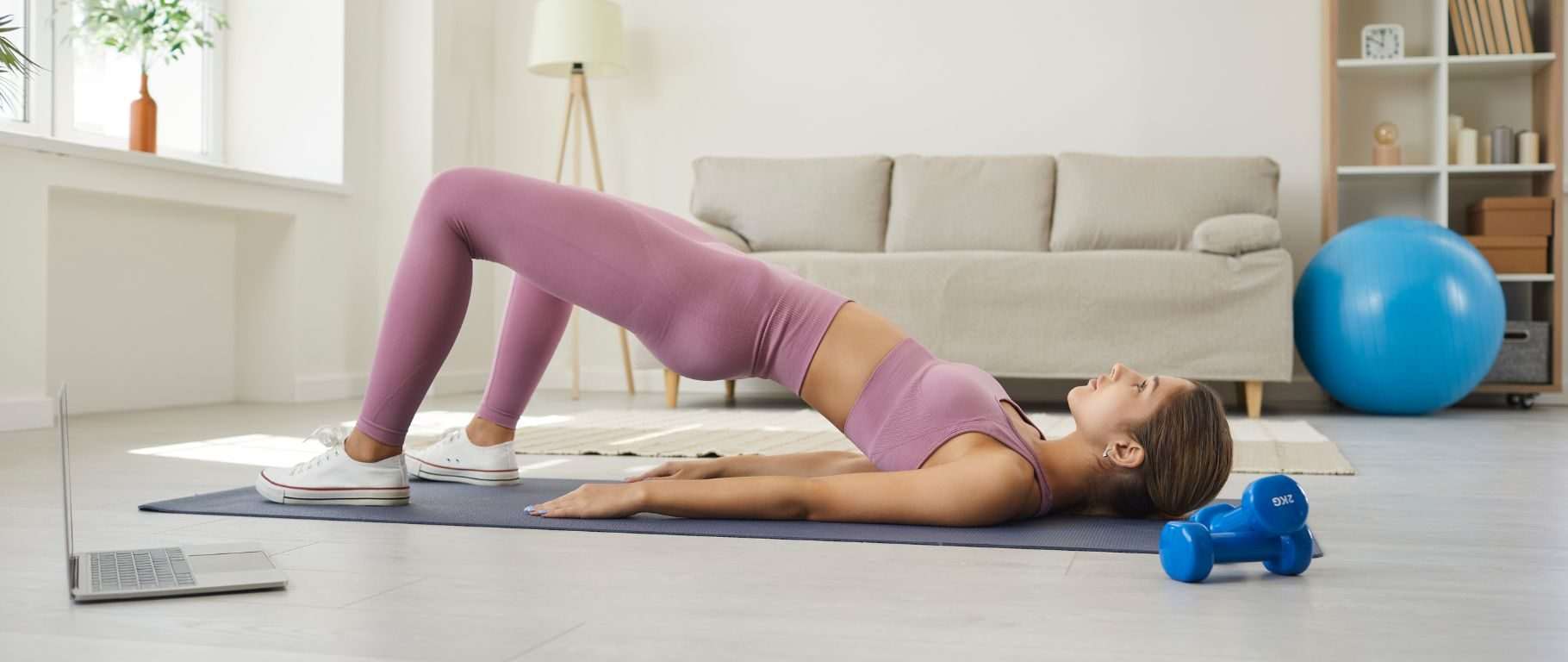
Pelvic wellness is an essential yet often overlooked aspect of womens overall health. The pelvic region houses vital muscles and organs that influence bladder and bowel control, sexual function, and core stability. Maintaining pelvic health is important throughout life, from adolescence to menopause and beyond. Physiotherapy offers an effective, proactive approach to support pelvic wellness by preventing dysfunction and enhancing quality of life.
What Is Pelvic Wellness?
Pelvic wellness refers to the strength, flexibility, and proper function of the pelvic floor muscles and associated structures. These muscles act like a hammock, supporting pelvic organs such as the bladder, uterus, and rectum. When functioning optimally, the pelvic floor contributes to continence, core stability, sexual satisfaction, and proper posture.
Disruptions in pelvic wellness can lead to issues like urinary incontinence, pelvic pain, pelvic organ prolapse, and reduced sexual function. Such problems affect millions of women globally and can impact emotional well-being and daily activities.
Why Should Pelvic Physiotherapy Be a Routine Part of Womens Health?
Pelvic health physiotherapy is a specialized branch of physiotherapy focusing on the evaluation and treatment of pelvic floor dysfunctions. Heres why it should be incorporated into routine health care for women:
1. Preventative Care and Early Intervention
Physiotherapy helps detect early signs of pelvic dysfunction before symptoms become severe. Preventative pelvic floor exercises guided by a physiotherapist can maintain muscle strength and flexibility, reducing future risks such as incontinence or prolapse.
2. Tailored Exercise Programs
Every womans pelvic floor is unique due to factors like childbirth, aging, hormonal changes, and lifestyle. Physiotherapists design customized exercise plans to address individual needs, ensuring effective muscle engagement and avoiding common mistakes like incorrect contractions.
3. Addressing Posture and Core Stability
Pelvic health is interconnected with core muscle function and posture. Physiotherapy helps improve core strength and spinal alignment, which supports pelvic floor function and reduces strain that may contribute to dysfunction.
4. Managing Pregnancy and Postpartum Changes
Pregnancy and childbirth can weaken or stretch pelvic floor muscles. Physiotherapy provides targeted rehabilitation to restore strength and function postpartum, promoting quicker recovery and reducing complications.
5. Supporting Menopause and Aging
Hormonal changes during menopause lead to tissue thinning and pelvic muscle weakening. Pelvic physiotherapy helps mitigate these effects by strengthening muscles, improving blood flow, and educating women on lifestyle adaptations.
6. Non-Invasive Treatment for Pelvic Pain and Dysfunction
For women experiencing pelvic pain, urinary urgency, or bowel irregularities, physiotherapy offers non-invasive treatment options such as manual therapy, biofeedback, and relaxation techniques, often reducing or eliminating the need for medication or surgery.
Key Components of Pelvic Physiotherapy
A pelvic health physiotherapy routine typically includes:
Pelvic floor muscle assessment and strengthening exercises
Education on bladder and bowel habits
Postural and movement training
Manual therapy for soft tissues
Biofeedback and electrical stimulation if needed
Lifestyle and ergonomics guidance
Benefits of Regular Pelvic Physiotherapy
Women who incorporate pelvic physiotherapy into their health routine experience:
Improved bladder and bowel control
Enhanced sexual function and satisfaction
Reduced pelvic and lower back pain
Increased core stability and posture
Greater confidence and quality of life
Finding the Right Pelvic Health Physiotherapist in Canada
Accessing specialized pelvic health physiotherapy ensures safe, effective treatment. Look for registered physiotherapists with additional pelvic health certifications who understand womens unique pelvic anatomy and health concerns.
Conclusion
Pelvic wellness is vital for every womans health journey, impacting physical comfort, mobility, and confidence. Physiotherapy provides a comprehensive, personalized approach to maintaining pelvic health through all life stages. Making pelvic physiotherapy part of your routine is a proactive way to prevent dysfunction, manage symptoms, and enjoy better overall wellness.
If you want to optimize your pelvic health or address existing concerns, consulting a pelvic health physiotherapist can provide expert guidance and tailored care for lasting pelvic wellness.