For athletes, pain is often an inevitable part of their journey. Whether caused by overuse, injury, or the intensity of their training, pain can significantly impact performance and long-term career sustainability.

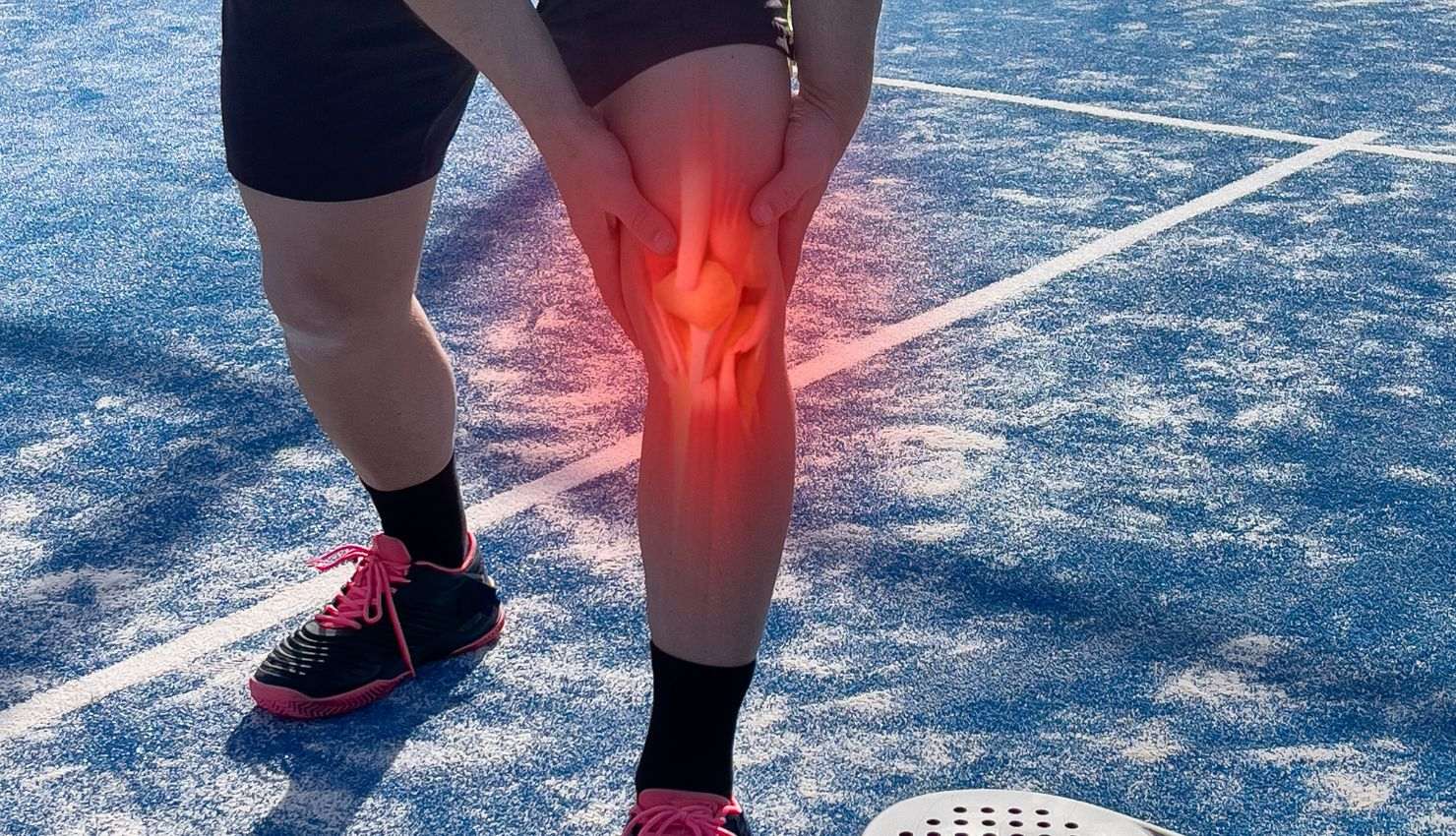
For athletes, pain is often an inevitable part of their journey. Whether caused by overuse, injury, or the intensity of their training, pain can significantly impact performance and long-term career sustainability. Physiotherapy plays a crucial role in addressing and managing pain in athletes. Here’s a comprehensive guide on how physiotherapy aids pain relief for athletes and helps them recover, maintain peak performance, and prevent future injuries.
1. Understanding the Role of Physiotherapy in Pain Relief
Physiotherapy is a treatment approach that focuses on the prevention, rehabilitation, and management of injuries through physical methods rather than medication. For athletes, physiotherapy goes beyond just relieving pain it enhances mobility, strengthens muscles, prevents further injury, and helps athletes get back to their sport safely.
2. Common Causes of Pain in Athletes
Athletes often experience pain due to the following factors:
Acute Injuries: These are injuries that happen suddenly, such as sprains, strains, fractures, and dislocations.
Overuse Injuries: Repetitive movements, improper training techniques, or not allowing enough recovery time can lead to overuse injuries like tendinitis or stress fractures.
Muscle Imbalances: Uneven strength in different muscles or poor posture can lead to compensatory movements that cause pain.
Post-Surgery Recovery: Athletes returning from surgery require rehabilitation to restore function and strength.
3. Physiotherapy Techniques for Pain Relief
Physiotherapists utilize a variety of techniques to alleviate pain, promote healing, and improve an athlete’s function:
Manual Therapy
Manual therapy involves hands-on techniques used to manipulate muscles, joints, and tissues, which can help:
Reduce Muscle Tension: Techniques like massage, myofascial release, or trigger point therapy release tight muscles and improve circulation to the affected area.
Increase Joint Mobility: Joint mobilizations and manipulations are used to restore normal movement patterns and relieve pain caused by stiffness or immobility.
Improve Soft Tissue Flexibility: Stretching techniques can help elongate muscles and tissues that have become shortened due to injury or overuse.
Modalities for Pain Relief
Heat Therapy: Heat is often used to relax muscles, reduce stiffness, and improve blood flow to promote healing.
Cold Therapy: Ice is used in the initial stages of injury to reduce inflammation and numb the affected area, decreasing pain and swelling.
Ultrasound Therapy: High-frequency sound waves penetrate tissues, promoting circulation and healing at a deeper level.
Transcutaneous Electrical Nerve Stimulation (TENS): Electrical impulses are delivered to the area of pain, helping to block pain signals and stimulate endorphin release, providing pain relief.
Laser Therapy: Low-level laser therapy (LLLT) is sometimes used to promote healing and reduce inflammation by stimulating cell regeneration.
Exercise Therapy
Exercise is a cornerstone of physiotherapy for athletes. The goal of exercise therapy is not only to manage pain but to help strengthen muscles, improve flexibility, and restore functional movement.
Strengthening Exercises: Athletes often experience pain due to muscle weakness or imbalance. Strengthening exercises targeted to the muscles around the injured area help provide better support and prevent further damage.
Stretching and Mobility Exercises: These exercises improve the flexibility of muscles and joints, preventing tightness that can lead to pain.
Core Stability Training: Strengthening the core (the trunk muscles) provides better support for the whole body, reducing the risk of injury and alleviating pain.
Progressive Loading: Gradual re-introduction of activities or exercises helps athletes return to their sport safely while minimizing the risk of re-injury.
4. Post-Injury Rehabilitation
Post-injury rehabilitation is a crucial aspect of physiotherapy for athletes. After an injury, the body needs to heal, but the goal is to also restore full function and prevent further injuries. Physiotherapists will guide athletes through:
Initial Injury Management: Physiotherapists use the R.I.C.E. method (Rest, Ice, Compression, Elevation) in the early stages of injury to reduce swelling and pain.
Restoration of Range of Motion (ROM): Restoring the full range of motion is essential for recovery. Physiotherapists will guide athletes through exercises to regain normal movement patterns.
Progressive Strengthening: After the acute phase, exercises to gradually strengthen the injured muscles and surrounding tissues are introduced.
Sport-Specific Drills: To prepare athletes for a return to their sport, physiotherapists incorporate movements specific to the athletes sport to ensure that they can safely resume activities.
5. Preventative Physiotherapy
Pain prevention is just as important as pain relief for athletes. Physiotherapy can help prevent injuries and manage the risk of re-injury by:
Biomechanical Assessments: Physiotherapists assess an athlete’s movement patterns to detect abnormalities or weaknesses that could lead to injury. By correcting these through specific exercises or techniques, the risk of pain or injury is reduced.
Strength and Conditioning Programs: Physiotherapists can design individualized conditioning programs to strengthen weak areas and improve flexibility, balance, and coordination.
Posture Correction: Correcting posture and movement mechanics helps reduce the strain on muscles and joints, preventing the development of pain and injury.
Advice on Footwear: Proper footwear plays an essential role in injury prevention. Physiotherapists can advise athletes on the best shoes for their specific sport, foot type, and movement patterns.
Recovery Strategies: Educating athletes on the importance of proper rest, hydration, nutrition, and sleep to support recovery and prevent overuse injuries.
6. Psychological Support
In addition to physical rehabilitation, physiotherapists also address the psychological aspects of pain and recovery. The emotional toll of injury can be significant, and stress, anxiety, or frustration can affect healing. Physiotherapists:
Motivate and Encourage: They help athletes stay positive and motivated throughout their recovery process.
Set Realistic Goals: Setting small, achievable goals helps athletes regain confidence in their bodys ability to heal and perform.
Manage Pain Perception: Physiotherapists can help athletes develop strategies to cope with pain and manage stress, improving their overall recovery experience.
7. Advanced Physiotherapy Techniques
Some athletes with more complex injuries may benefit from advanced physiotherapy treatments, including:
Dry Needling: This technique involves inserting fine needles into muscle trigger points to release tight muscles and reduce pain.
Blood Flow Restriction Therapy (BFR): This technique involves restricting blood flow to muscles during exercise, allowing athletes to gain strength without overloading the injured area.
Cryotherapy: Some athletes use whole-body cryotherapy (exposure to extremely cold temperatures) to reduce inflammation, improve recovery time, and alleviate pain after intense workouts or injuries.
8. Returning to Sport
Once the athlete is pain-free and has regained sufficient strength and mobility, physiotherapists will guide the process of safely returning to their sport:
Gradual Return to Play: Physiotherapists use a step-by-step approach, gradually reintroducing sport-specific movements and drills while monitoring for pain or discomfort.
Load Monitoring: Keeping track of the athletes activity load ensures that they do not overexert themselves and risk re-injury.
Ongoing Maintenance: Even after returning to sport, ongoing physiotherapy may be required to maintain strength, flexibility, and prevent future pain.
Conclusion
Physiotherapy plays a vital role in pain relief, rehabilitation, and injury prevention for athletes. Through a combination of hands-on therapy, exercise, modalities, and education, physiotherapists help athletes manage pain, recover from injuries, and return to peak performance. With the right approach, athletes can not only address pain but also optimize their training and avoid future injuries, ensuring a long and successful athletic career.
Tools