Physiotherapy Exercises Every Dancer Should Know explores targeted strategies for recovery. Discover new paths to mobility, healing, and personalized care.

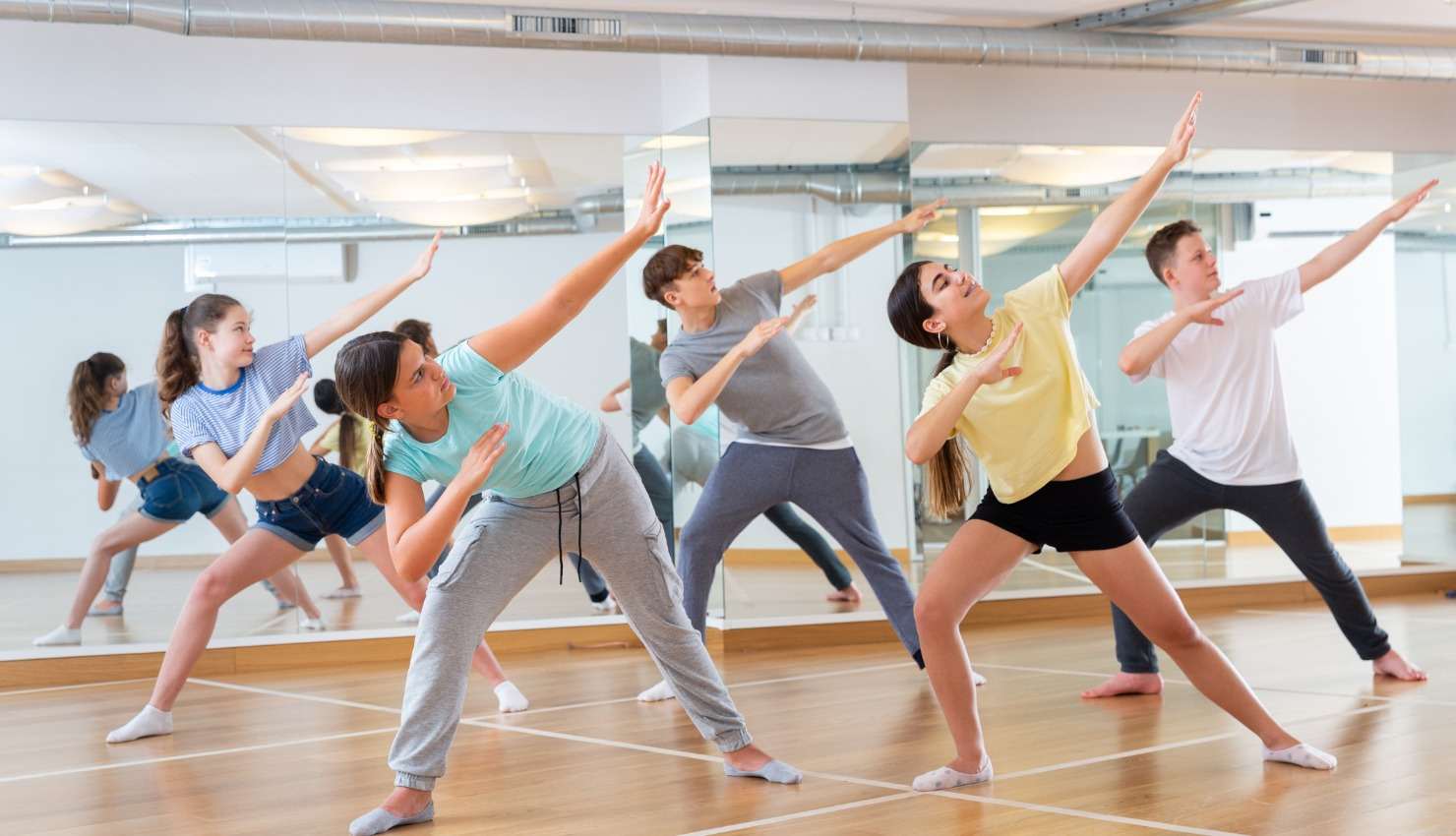
Dancers rely on strength, flexibility, balance, and control to move with precision and grace. But the physical demands of dance can take a toll on the body. These physiotherapy-recommended exercises are designed to enhance performance, correct imbalances, and reduce the risk of injury.
1. Clamshells (Hip Stabilization)
Target: Gluteus medius and hip external rotators
Why it matters: Supports turnout, stabilizes the pelvis, and prevents knee and hip injuries.
How to do it:
Lie on your side with knees bent at 90 degrees.
Keep feet together and lift the top knee without rotating the pelvis.
Lower with control.
? 23 sets of 1215 reps per side
2. Theraband Ankle Inversions and Eversions
Target: Ankle stabilizers
Why it matters: Strengthens ankles for better balance and injury prevention (especially sprains).
How to do it:
Use a resistance band around the foot.
For inversion, push the foot inward; for eversion, push it outward.
Keep the movement controlled and slow.
? 2 sets of 1012 reps in each direction
3. Core Activation Dead Bug
Target: Deep core stabilizers
Why it matters: Supports spinal alignment and control during lifts, jumps, and balances.
How to do it:
Lie on your back with arms and legs raised (knees bent at 90°).
Slowly lower opposite arm and leg while keeping your lower back flat on the floor.
Return and switch sides.
? 23 sets of 810 reps per side
4. Calf Raises with Eccentric Lowering
Target: Calves and Achilles tendon
Why it matters: Builds strength and tendon resilience for pointe work and jumping.
How to do it:
Stand on a step with heels hanging off.
Rise onto toes with both feet, then slowly lower on one foot.
? 3 sets of 1015 reps
5. Thoracic Spine Extensions
Target: Upper back mobility
Why it matters: Enhances posture, port de bras, and breathing capacity.
How to do it:
Lie on a foam roller placed horizontally under your upper back.
Support your head and gently arch over the roller, opening the chest.
Avoid arching the lower back.
? Hold for 1530 seconds; repeat 23 times
6. Hip Flexor Stretch (Lunge Stretch)
Target: Hip flexors (iliopsoas)
Why it matters: Prevents tight hips and helps with arabesques, extensions, and backbends.
How to do it:
In a lunge position, tuck the pelvis slightly under and press the hips forward.
Keep the torso upright and chest open.
? Hold for 30 seconds each side, 23 rounds
7. Balance Training Single-Leg Stance with Eyes Closed
Target: Proprioception and ankle stability
Why it matters: Improves balance and prevents falls and ankle injuries.
How to do it:
Stand on one foot with eyes closed.
Engage the core and maintain balance.
? Try to hold for 30 seconds per side; repeat 23 times
8. Hamstring Bridge Marches
Target: Posterior chain (glutes, hamstrings, back)
Why it matters: Supports jumps, stability, and reduces lower back strain.
How to do it:
Lie on your back in a bridge position (hips lifted).
Alternately lift one foot off the floor, keeping hips level.
? 23 sets of 10 reps