Physiotherapy for Back Pain in Dancers explores targeted strategies for recovery. Discover new paths to mobility, healing, and personalized care.

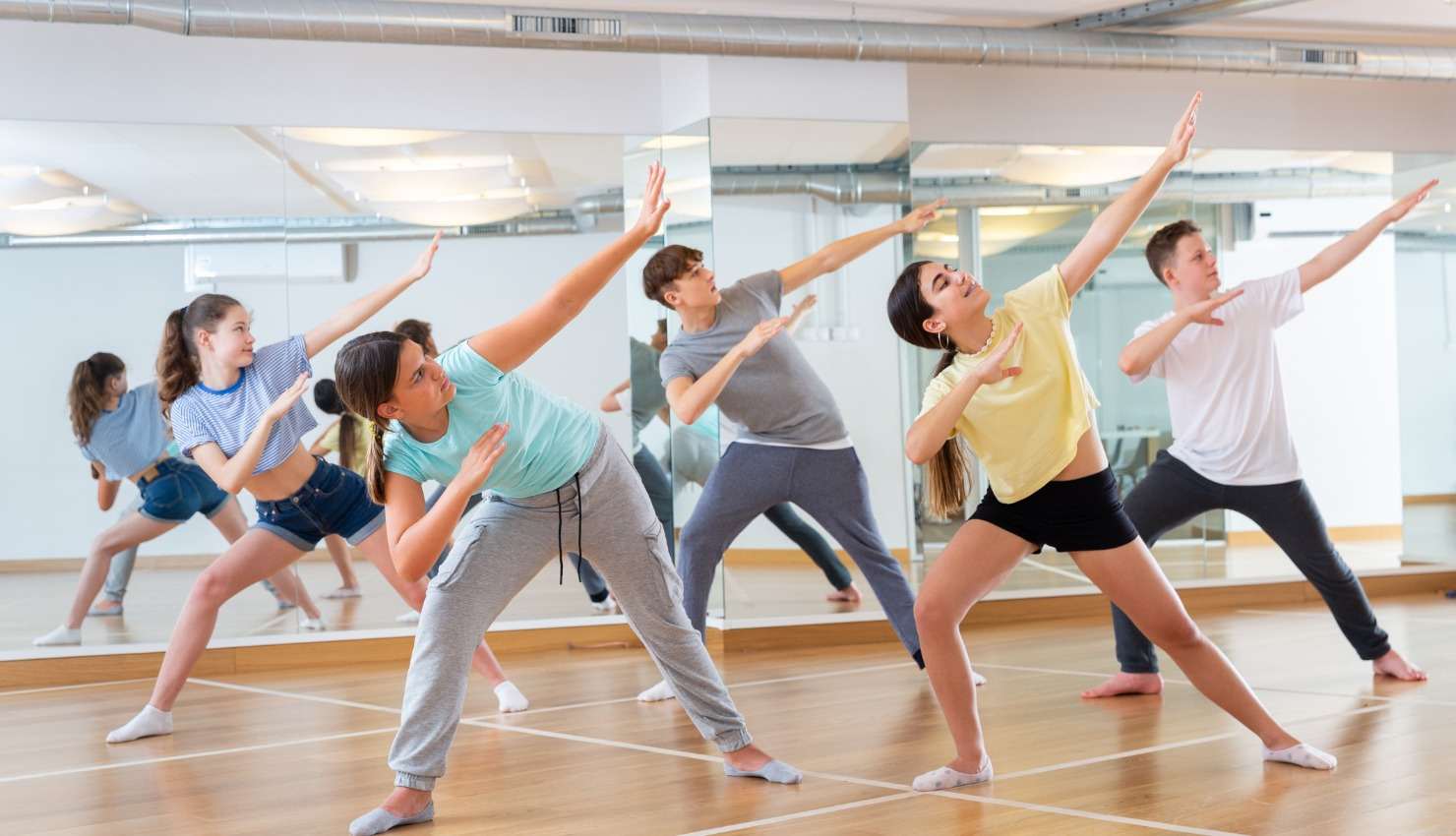
Dance places unique stresses on the spine due to:
Extreme ranges of motion (e.g., backbends, extensions, arabesques)
Repetitive spinal movements (twists, lifts, leaps)
Poor core engagement or posture during technique
Muscle imbalances between the front and back body
Hyperflexibility or insufficient spinal stability
Back pain may arise from:
Lumbar strain or sprain
Facet joint irritation
Disc compression or bulging
Sacroiliac (SI) joint dysfunction
Stress fractures (e.g., spondylolysis)
Muscular tightness or weakness
How Physiotherapy Helps Dancers with Back Pain
1. Accurate Diagnosis and Movement Assessment
Your physiotherapist will begin by:
Taking a full history of your pain and dance activity
Analyzing your posture, gait, and spinal alignment
Observing dance-specific movements like backbends, pliés, or jumps
Testing flexibility, core strength, and hip mobility
? Goal: Identify the root cause of your pain, not just treat the symptoms.
2. Targeted Manual Therapy
Hands-on techniques can relieve tight or irritated tissues, such as:
Soft tissue massage and myofascial release to ease muscle tension
Joint mobilizations to improve spinal movement
Trigger point therapy to release deep-seated tightness
? Goal: Restore range of motion and reduce pain caused by tight or restricted tissues.
3. Core Strengthening and Stabilization
A weak or improperly engaged core often leads to spinal strain. Physios will teach:
Deep core activation exercises (e.g., transverse abdominis and pelvic floor)
Spine-safe strengthening that supports your back without overloading it
Pelvic stability drills to control movement from your center
? Goal: Build a supportive base so your spine doesnt bear the brunt of movement.
4. Stretching and Mobility Work
Tight muscles around the hips and spine can pull the back out of alignment. Physiotherapists may guide:
Hamstring, hip flexor, and glute stretches to release tension
Thoracic mobility exercises to improve upper back movement
Active spinal extension/flexion drills to restore control
? Goal: Enhance flexibility safely without relying on passive overstretching.
5. Technique Modification and Education
Poor technique or habits can contribute to recurrent pain. Your physiotherapist will:
Offer feedback on alignment during backbends, lifts, and arches
Help you refine posture and movement strategies
Teach safe warm-up and cool-down routines tailored to your spines needs
? Goal: Prevent re-injury by improving awareness and movement patterns.
What You Can Do Between Sessions
Stay consistent with prescribed exercises
Avoid overextending or forcing flexibility, especially in your lower back
Use heat or gentle movement (not rest alone) to ease stiffness
Cross-train with Pilates or resistance work to support your spine
When to See a Physiotherapist Immediately
Persistent or worsening back pain
Pain that radiates down your legs (could indicate nerve involvement)