Physiotherapy for Dancers explores targeted strategies for recovery. Discover new paths to mobility, healing, and personalized care.

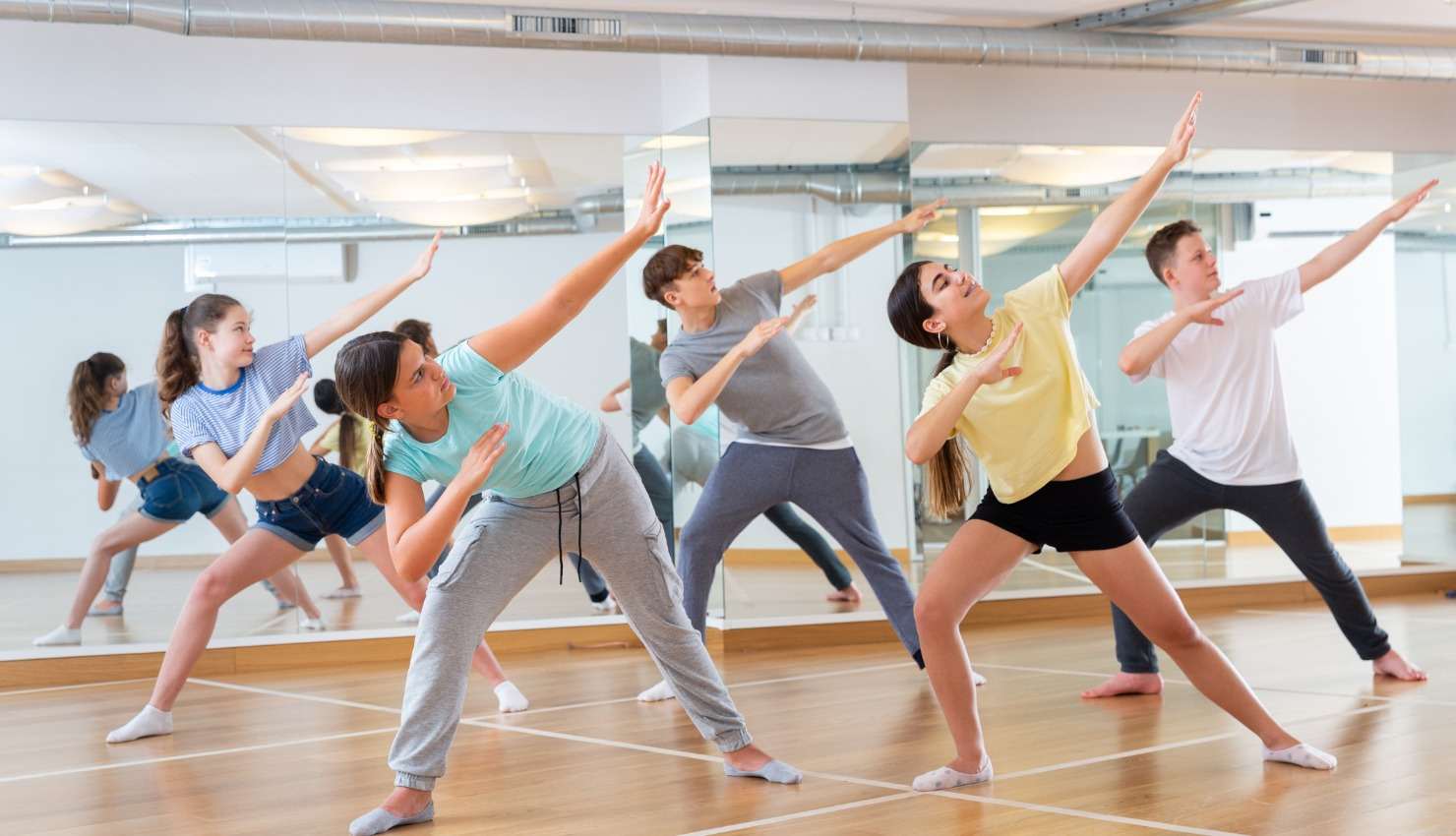
Coordination refers to your bodys ability to:
Synchronize movement between limbs and joints
Maintain timing and rhythm
Transition smoothly from one position to the next
Stay balanced during complex combinations
Physiotherapists improve coordination by addressing:
Proprioception (your sense of body position)
Neuromuscular control (how your brain communicates with muscles)
Postural alignment and timing
?? Why it matters: Better coordination equals more precise, fluid, and confident dancing.
?? What Is Mobility and Why Is It Crucial?
Mobility is not just flexibilityits the ability to move a joint through its full range of motion with control. Dancers need mobility in:
Hips (for turnout and extensions)
Ankles (for relevé and jumps)
Spine (for backbends and port de bras)
Shoulders (for lifts and expressive upper body movement)
Physiotherapy improves mobility by:
Releasing soft tissue restrictions
Mobilizing stiff joints
Re-training proper movement patterns
Integrating strength with flexibility
?? Why it matters: Mobility allows freedom of movement without pain, stiffness, or compensation.
?? How Physiotherapy Enhances Coordination and Mobility
1. Movement Assessment and Correction
Postural analysis (spine, hips, knees, feet)
Turnout mechanics evaluation
Balance and gait assessments
Functional movement screens (e.g., squats, arabesques)
? Result: Identifies weak links in movement and retrains control.
2. Neuromuscular Re-education
Cueing exercises to sharpen mind-body connection
Timing drills for pirouettes and jumps
Balance training on unstable surfaces
Proprioceptive drills (eyes-closed, single-leg work)
?? Result: Builds precise, reliable control over every movement.
3. Joint Mobilization and Myofascial Release
Gentle mobilization of tight hips, shoulders, and ankles
Soft tissue techniques (massage, trigger point release)
Assisted stretching to increase safe, usable range
?? Result: Frees up movement while reducing tension and stiffness.
4. Core and Stabilizer Strengthening
Focus on deep core, glutes, and shoulder stabilizers
Exercises like Pilates-based control drills and resistance band work
Integration of control into dance-specific sequences
?? Result: Enhances stability to support fluid mobility and alignment.
5. Dynamic Mobility Training
Controlled leg swings, spinal waves, hip circles
Full-body functional flows mimicking dance movements
Mobility circuits for warm-up or cooldown routines
?? Result: Improves active flexibility, making movements more expressive and safe.
?? Sample Physiotherapy Exercises for Coordination and Mobility
Exercise Purpose
Single-leg balance with arm coordination Improves lower-body stability and upper-body timing
Resistance band turnout clamshells Strengthens hip rotators for controlled turnout
Dynamic hip openers (e.g., lunge circles) Increases hip mobility for extensions and pliés
Standing spinal rolls Enhances spinal fluidity and body awareness
Ankle ABCs or wobble board drills Refines ankle control for jumps and relevés
?? When Should Dancers Use Physiotherapy for Coordination and Mobility?
During intensive training seasons to maintain function
After growth spurts or significant strength changes
To prepare for performances with complex choreography
While recovering from injuries to rebuild movement control
As part of pre-performance warm-ups and cool-downs