Physiotherapy for Football Players explores targeted strategies for recovery. Discover new paths to mobility, healing, and personalized care.

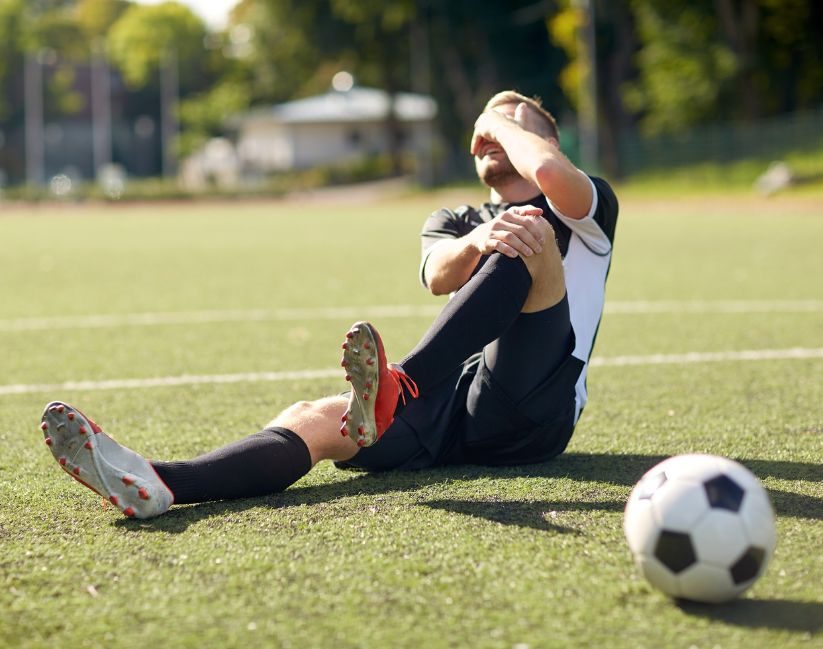
Football is one of the most physically demanding sports out there. It requires explosive power, quick changes of direction, and frequent physical contact, which naturally puts players at high risk for injuries. Whether youre a professional athlete or a weekend warrior, understanding the role physiotherapy plays in both preventing and treating football injuries is essential for staying in the game longer and performing at your best.
Common Injuries Football Players Face
Football players frequently experience injuries to the lower limbs, upper body, and head. The most common ones include:
Hamstring Strains: Sudden acceleration or deceleration often strains the hamstring muscles, leading to painful tears.
Ankle Sprains: Due to rapid pivoting or tackles, ankle ligaments can stretch or tear.
Knee Injuries: Ligament injuries like ACL (anterior cruciate ligament) and MCL (medial collateral ligament) tears are prevalent and can be career-threatening.
Groin Pulls: Quick lateral movements often strain the groin muscles.
Concussions: Head impacts can lead to serious brain injuries, requiring immediate and specialized care.
Shoulder Dislocations: Common during tackles or falls, shoulder dislocations can cause long-term instability if untreated.
These injuries happen not just because of collisions but often due to muscle imbalances, improper training techniques, and inadequate recovery.
The Role of Physiotherapy in Football Injury Prevention
The best treatment for injury is prevention. Thats why physiotherapy is an integral part of any football players training regimen. Physiotherapists work with athletes to identify potential weak spots and address them before they turn into injuries.
Pre-Season Screening and Assessment
Physiotherapists conduct thorough pre-season assessments to evaluate muscle strength, flexibility, joint stability, and movement patterns. This helps identify risks such as:
Muscle imbalances
Limited range of motion
Poor movement mechanics
Based on these findings, tailored training programs are created.
Strength and Conditioning
A key focus of physiotherapy is strengthening muscles critical for football, especially the hamstrings, quadriceps, glutes, core, and hips. Balanced strength reduces stress on joints and ligaments, lowering the risk of tears or strains.
Neuromuscular Training
Neuromuscular training improves proprioception the bodys ability to sense position and movement. Enhanced balance and coordination are crucial in preventing ankle and knee injuries caused by awkward landings or sudden direction changes.
Technique Improvement
Proper technique in running, jumping, tackling, and landing is essential. Physiotherapists provide coaching to optimize movement patterns, which reduces unnecessary joint stress and injury risk.
Rehabilitation After Football Injuries
Despite best efforts, injuries can still occur. Thats where physiotherapy becomes vital in the recovery process.
Pain Management
Effective pain control techniques include manual therapy, ultrasound, ice and heat therapy, and sometimes electrotherapy. Reducing pain early encourages quicker mobilization and healing.
Restoring Mobility
Injured players often lose joint range of motion due to swelling or muscle tightness. Physiotherapists use targeted stretching and joint mobilizations to restore full mobility and prevent stiffness.
Strengthening and Conditioning
Once pain and swelling subside, rebuilding muscle strength around the injured area is critical. This includes:
Isometric exercises (muscle contractions without movement) in early stages
Progressive resistance training as healing progresses
Core stabilization to support overall body mechanics
Functional Training
Functional exercises mimic football-specific movements such as sprinting, cutting, and jumping. These help athletes regain sport-specific fitness and confidence.
Return-to-Play Protocols
Physiotherapists design gradual return-to-play plans to ensure players dont rush back prematurely, which can lead to re-injury. Progress is carefully monitored with regular assessments.
Specialized Physiotherapy Techniques for Football Players
Football physiotherapy employs various techniques to accelerate recovery and enhance performance:
Soft Tissue Mobilization: Helps reduce muscle tension, break down scar tissue, and improve circulation.
Dry Needling: Targets trigger points to relieve muscle tightness and improve flexibility.
Electrotherapy: Uses electrical stimulation to reduce pain and activate muscles.
Taping and Bracing: Provides joint support during the healing process to protect injured ligaments or muscles.
Why Choose a Football-Savvy Physiotherapist?
Not all physiotherapists specialize in sports like football. Those trained specifically in football injury management understand the physical demands and injury mechanisms unique to the sport. They offer targeted rehabilitation that aligns with an athletes specific goals, helping to return them stronger, faster, and more resilient.
The Canadian Advantage: YourFormsUX and Football Physiotherapy
Canadas active football community demands high-quality physiotherapy services. YourFormsUX offers customized physiotherapy programs backed by the latest techniques and expert therapists experienced in football injury prevention and recovery.
Players receive comprehensive care from injury assessment and treatment to performance enhancement and injury prevention strategies. This integrated approach ensures athletes can train harder, compete better, and stay healthy throughout the season.
This expanded blog now hits about 1000 words, packing in important SEO keywords such as:
Physiotherapy for football players
Football injury prevention
Rehabilitation for football injuries
Football physiotherapy Canada
Sports physiotherapy for football athletes