Absolutely! If you’re dealing with hip pain, whether it’s a dull ache or a sharp, limiting discomfort, physiotherapy can be your ticket to lasting relief and smoother movement. The hip is a powerful and complex jointwhen it’s not happy, it affects everything from walking and standing to bending, sleeping, and even your mood.

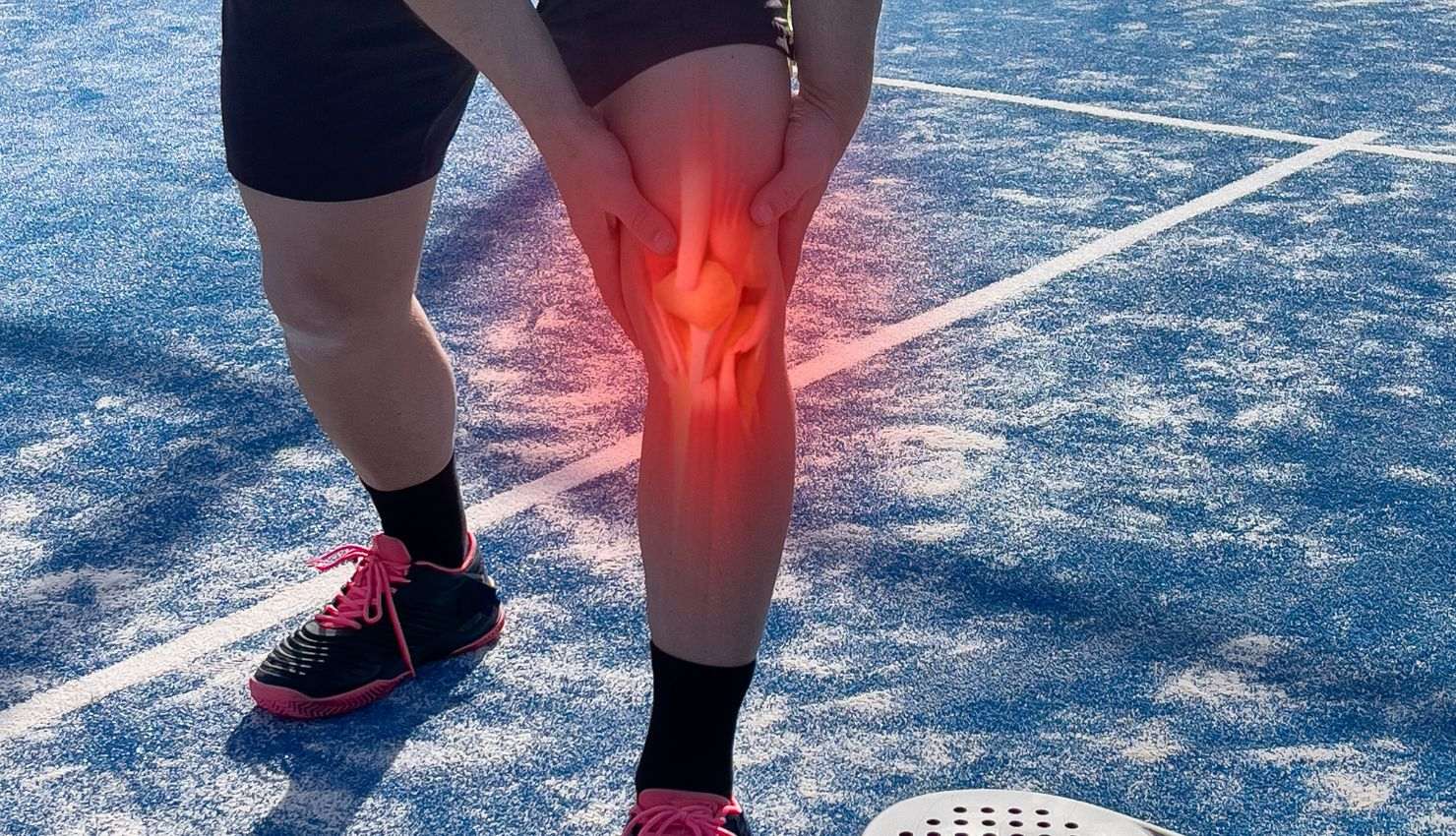
Absolutely! If you’re dealing with hip pain, whether it’s a dull ache or a sharp, limiting discomfort, physiotherapy can be your ticket to lasting relief and smoother movement. The hip is a powerful and complex jointwhen it’s not happy, it affects everything from walking and standing to bending, sleeping, and even your mood.
Lets dive into how physiotherapy treats hip pain, and the best exercises and treatment techniques to get you back to moving comfortably and confidently.
?? Why Does Your Hip Hurt?
Hip pain can come from a variety of issues, including:
Muscle imbalances or weakness (especially in the glutes or hip flexors)
Tendinitis or bursitis
Hip impingement (FAI) or labral tears
Osteoarthritis or joint wear and tear
Sacroiliac (SI) joint dysfunction
Referred pain from the back or knees
Physiotherapists help by identifying the root cause, not just treating the surface symptoms.
??? How Physiotherapy Treats Hip Pain
1. In-Depth Assessment
Your physio will assess:
Range of motion in your hip and surrounding joints
Muscle strength (especially glutes, hip flexors, and core)
Posture, gait, and movement patterns
Pain triggers and compensation habits
This full-body check-up is key to designing a personalized treatment plan.
2. Manual Therapy
Hands-on treatments help ease pain and prepare the body for movement. Your physio may use:
Joint mobilizations to improve hip joint glide
Soft tissue release on tight muscles like the hip flexors or piriformis
Myofascial release to reduce tension and improve mobility
Trigger point therapy for deep muscle knots
These techniques help restore proper alignment and relieve immediate discomfort.
3. Physiotherapy Exercises for Hip Pain Relief
Here are some go-to exercises your physio might include:
?? Glute Bridges
Strengthens glutes and hamstrings to offload the hip joint
Lie on your back, knees bent, lift your hips up and squeeze the glutes
?? Clamshells
Targets the gluteus medius for lateral hip stability
Lie on your side with knees bent, lift the top knee while keeping feet together
?? Hip Flexor Stretch
Releases tightness at the front of the hip
Kneel on one leg, shift weight forward, and stretch the hip flexor of the back leg
?? Piriformis Stretch
Great for sciatic-type or deep gluteal pain
Cross one ankle over the opposite knee and pull the thigh in toward your chest
?? Side-Lying Leg Raises
Activates outer hip muscles
Lie on your side and slowly lift the top leg without rotating your pelvis
?? Wall Sits or Mini Squats
Controlled strength training without overloading the joint
All exercises are typically done under physio guidance, starting gently and progressing over time.
4. Correcting Movement Patterns
Poor movement habits can overload the hip. Your physio will help you:
Improve posture and core engagement
Adjust how you walk, sit, and climb stairs
Train your body to move with proper alignment
Small tweaks in your daily habits = big relief over time.
5. Modalities for Pain Relief
During flare-ups, your physio may use:
TENS (electrical stimulation) to ease pain
Ultrasound therapy to support tissue healing
Heat or ice depending on the stage of inflammation
Taping to offload painful structures
These support comfort while the underlying issues are addressed.
6. Long-Term Prevention
Once the pain is under control, physiotherapy focuses on preventing recurrence through:
Ongoing strength training
Stretching and mobility maintenance
Education on posture, ergonomics, and activity pacing
Return-to-sport or return-to-life movement plans
?? Bonus Tips for Home Care:
Avoid prolonged sitting or crossing your legs if you have hip impingement or bursitis.
Use a firm pillow or rolled towel behind the lower back when sitting to support hip alignment.
Warm up before activity and stretch after to keep muscles happy.
Wear supportive footwearwhats on your feet can affect your hips.
? Final Word
Physiotherapy offers a complete approach to hip painfrom immediate relief to long-term strengthening and prevention. Whether your pain is from an old injury, arthritis, overuse, or daily life, your physio will help you move better, feel stronger, and stay pain-free.