The most common type is osteoarthritis (OA), which is the natural wear-and-tear of joint cartilage over time. It leads to: Joint pain and swelling Stiffness, especially in the morning or after sitting Decreased range of motion Muscle weakness from avoiding painful movements In the knees and hips, arthritis can really slow you downbut with the …

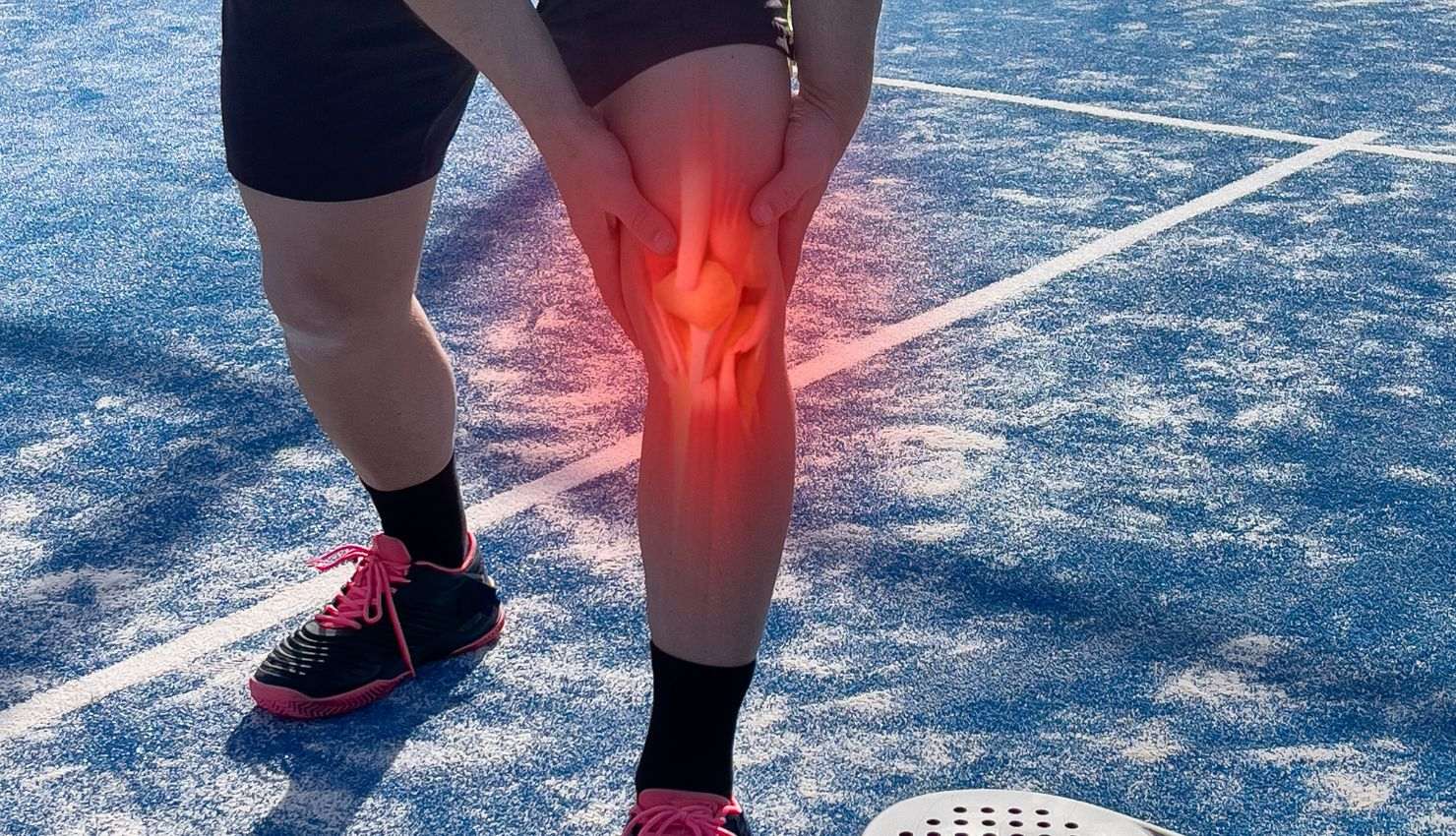
The most common type is osteoarthritis (OA), which is the natural wear-and-tear of joint cartilage over time. It leads to:
Joint pain and swelling
Stiffness, especially in the morning or after sitting
Decreased range of motion
Muscle weakness from avoiding painful movements
In the knees and hips, arthritis can really slow you downbut with the right physiotherapy approach, you can break the pain-stiffness cycle.
??? How Physiotherapy Helps with Knee and Hip Arthritis
1. Reducing Pain and Inflammation
In the early stages (or during flare-ups), physiotherapists help manage pain using:
Ice or heat therapy
Ice for swelling; heat for stiffness
TENS (electrical stimulation) to block pain signals
Manual therapy to gently mobilize the joint and ease surrounding tight muscles
Taping or bracing to reduce pressure on painful areas
These tools offer short-term relief so you can start moving without aggravating your joints.
2. Restoring Mobility and Flexibility
Stiff joints are painful joints. Your physiotherapist will guide you through gentle stretches that:
Improve hip rotation, flexion, and extension
Open up knee movement without excessive load
Reduce tension in surrounding muscles (like hamstrings, quads, and hip flexors)
Even a few minutes a day can improve how your joints feel throughout the day.
3. Strengthening Muscles to Support the Joints
This is the core of arthritis managementstrong muscles take pressure off the joint.
Your physio will tailor a low-impact strengthening program with:
Glute bridges and clamshells (for hip support)
Step-ups and mini squats (for knee control)
Quad sets and straight leg raises
Resistance band work to build joint stability
You dont need to lift heavy weightsjust consistent, controlled movement to build support.
4. Improving Balance and Gait
Arthritis often affects the way you walk, which can lead to falls or further joint stress. Physiotherapists help by:
Improving single-leg balance
Teaching safe walking patterns (with or without a cane or walker)
Prescribing balance exercises to improve control and confidence
Better balance means fewer stumblesand more independence.
5. Guidance on Activity & Lifestyle
Your physio will also guide you on how to:
Modify daily tasks (like getting up from a chair or climbing stairs)
Choose joint-friendly activities (like swimming, biking, or walking on even surfaces)
Use cushioned footwear or orthotics to support knee and hip alignment
Pace yourselfresting without becoming sedentary
This holistic support helps you stay active without aggravating your arthritis.
????? Gentle Exercises You Can Try at Home
Here are a few physio-approved moves for arthritis relief:
? Knee Arthritis:
Seated leg extensions
Wall sits (short hold)
Heel slides on the floor
Calf stretches and quad stretches
? Hip Arthritis:
Hip abductions (lying or standing)
Bridges
Pelvic tilts
Standing hip flexor stretch
All exercises should be slow, pain-free, and low-impact. Your physio will adjust based on your condition and goals.
? How Long Does It Take to See Results?
Most people notice:
Improved comfort and mobility in 24 weeks with consistent physio
Increased strength and function in 68 weeks
Better long-term joint health with ongoing maintenance routines
Consistency is keybut the progress is real and rewarding.
? Final Takeaway
Physiotherapy is a safe, effective, and empowering way to manage arthritis in the knees and hips. It reduces pain, improves function, and helps you stay active without making the condition worse.
No matter your age or activity level, your physiotherapist can help you move better, feel better, and live with less painone step, stretch, and squat at a time.