Hip pain can significantly affect your daily life, limiting your ability to walk, bend, or perform basic activities. The hip joint is a complex ball-and-socket joint, and pain can arise due to various causes, including osteoarthritis, muscle imbalances, bursitis, strains, or post-surgical recovery.

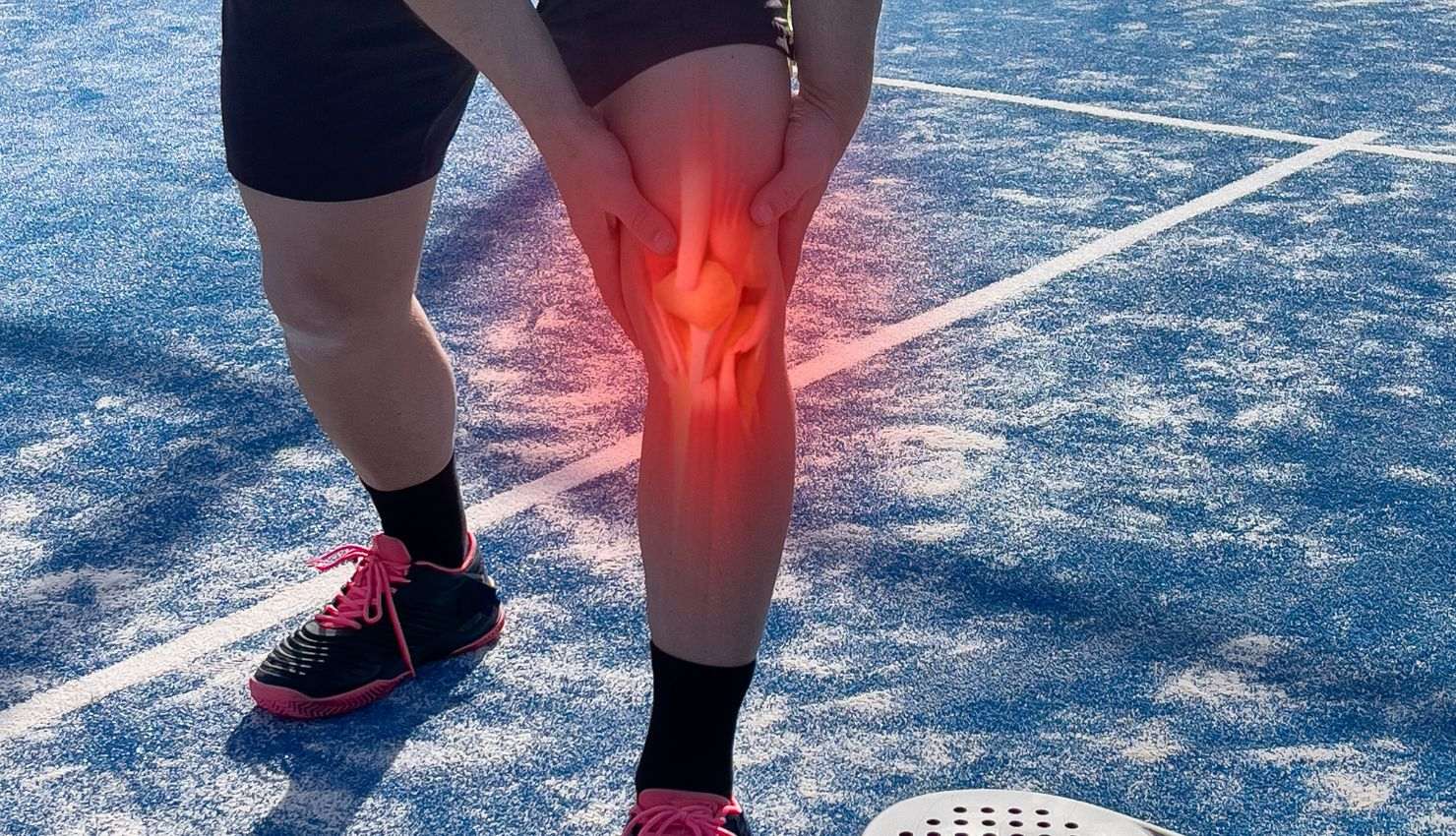
Hip pain can significantly affect your daily life, limiting your ability to walk, bend, or perform basic activities. The hip joint is a complex ball-and-socket joint, and pain can arise due to various causes, including osteoarthritis, muscle imbalances, bursitis, strains, or post-surgical recovery. Whether you’re dealing with chronic hip pain, recovering from an injury, or managing post-surgery rehabilitation, physiotherapy plays a crucial role in alleviating pain, restoring movement, and aiding in full recovery.
Heres how physiotherapy helps manage hip pain and promotes injury recovery:
### **1. Pain Management and Inflammation Control**
The first step in treating hip pain is managing inflammation and reducing discomfort. Physiotherapists employ various techniques to control pain and swelling in the hip area, especially in the early stages of recovery.
#### **Pain Relief Methods in Physiotherapy:**
* **Ice Therapy (Cryotherapy)**: Applying ice to the affected hip helps reduce swelling, numb pain, and decrease inflammation, especially useful during the acute phase of an injury or flare-up.
* **Heat Therapy**: Once the inflammation has reduced, heat is used to relax muscles, improve circulation, and alleviate joint stiffness. Heat can help in cases of chronic hip pain or after exercise.
* **Transcutaneous Electrical Nerve Stimulation (TENS)**: TENS uses electrical impulses to block pain signals, providing temporary relief from hip pain by stimulating sensory nerves and promoting the release of endorphins (natural painkillers).
* **Ultrasound Therapy**: Ultrasound uses sound waves to penetrate deep into the tissues, promoting healing, increasing blood flow, and reducing inflammation in the affected area.
These pain-relieving techniques allow you to move more comfortably, setting the stage for further rehabilitation.
—
### **2. Restoring Range of Motion (ROM)**
Hip pain often leads to reduced range of motion (ROM), causing stiffness and discomfort during movement. Physiotherapists work to restore normal ROM, enabling the hip joint to move freely and reducing the risk of long-term disability.
#### **How Physiotherapy Restores ROM:**
* **Passive Range of Motion (ROM) Exercises**: In the early stages of recovery, physiotherapists perform passive ROM exercises where they move the hip joint gently to maintain its mobility without overloading the tissues.
* **Active ROM Exercises**: As the condition improves, patients are encouraged to perform active ROM exercises, where they actively move the hip through its range of motion to improve flexibility and reduce stiffness.
* **Stretching Exercises**: Stretching the muscles surrounding the hip joint, including the hip flexors, quadriceps, and hamstrings, helps to restore flexibility and mobility, alleviating pain from tight muscles or tendons.
Restoring ROM helps prevent future stiffness and ensures that you can perform daily activities without discomfort.
—
### **3. Strengthening the Hip and Surrounding Muscles**
Weakness in the muscles surrounding the hip joint is a common cause of pain and injury. Strengthening these muscles helps provide stability to the hip joint, reduces the load on the joint itself, and prevents re-injury.
#### **How Strengthening Exercises Help:**
* **Targeting Hip Stabilizing Muscles**: Physiotherapists focus on strengthening muscles that stabilize the hip joint, such as the glutes, hip flexors, and abductor muscles, to improve support and reduce pain.
* **Correcting Muscle Imbalances**: Hip pain can often result from imbalances, where some muscles become overactive while others are underactive. Physiotherapists design exercises to target these imbalances, ensuring the muscles around the hip work together harmoniously.
* **Improved Stability and Function**: Strengthening the muscles around the hip joint reduces the risk of instability, which is particularly helpful for people recovering from hip surgery or injury.
#### **Common Strengthening Exercises:**
* **Bridges**: Lying on your back with knees bent, lift your hips off the ground by engaging the glutes and core. This exercise strengthens the glutes and lower back, supporting the hip joint.
* **Clamshells**: Lying on your side with your knees bent, lift your top knee while keeping your feet together. This targets the hip abductors, helping to stabilize the hip joint.
* **Leg Raises**: Lying on your back, slowly raise your leg while keeping it straight to strengthen the hip flexors and quads.
These strengthening exercises provide more stability to the hip joint, improving function and reducing pain over time.
—
### **4. Improving Posture and Body Mechanics**
Posture and body mechanics play a significant role in the development and management of hip pain. Physiotherapists educate patients on how to maintain good posture and use proper body mechanics to avoid putting excessive strain on the hip joint.
#### **How Posture and Body Mechanics Help:**
* **Standing and Sitting Posture**: Physiotherapists provide guidance on how to stand with proper alignment, avoiding excessive tilting or rotation of the pelvis that can strain the hips.
* **Lifting Techniques**: Lifting with proper body mechanicsbending at the knees rather than the hipshelps protect the hip joint from additional stress. Physiotherapists teach patients the correct way to lift and carry objects to reduce strain on the hip.
* **Ergonomics**: For people who sit for long periods (e.g., office workers), physiotherapists recommend ergonomic adjustments to maintain neutral spine and hip alignment, reducing strain on the hip joint.
Good posture and proper movement techniques minimize the risk of further injury and promote long-term hip health.
—
### **5. Manual Therapy for Hip Pain Relief**
Manual therapy involves hands-on techniques that can help improve joint mobility, reduce muscle tightness, and alleviate pain. Physiotherapists use manual therapy techniques to address stiffness in the hip joint and surrounding muscles, promoting better movement and reducing discomfort.
#### **Manual Therapy Techniques for Hip Pain:**
* **Joint Mobilizations**: Physiotherapists use gentle, controlled movements to mobilize the hip joint, improving its range of motion and reducing stiffness that may contribute to pain.
* **Soft Tissue Massage**: Targeted massage techniques help relax tight muscles, improve circulation, and reduce muscle spasms around the hip.
* **Myofascial Release**: This technique focuses on releasing tight fascia (the connective tissue surrounding muscles), which can help reduce tension and pain in the hip area.
Manual therapy provides immediate relief and helps improve flexibility, allowing for better movement and reduced pain.
—
### **6. Functional Training and Activity Modification**
For people with hip pain, returning to normal activities can be challenging. Physiotherapists incorporate functional training into the rehabilitation program, teaching patients how to move properly and modify activities to prevent further strain on the hip.
#### **How Functional Training Helps:**
* **Relearning Proper Movements**: Physiotherapists guide patients through exercises that mimic everyday tasks (such as bending, squatting, or climbing stairs), ensuring that movements are performed safely and without pain.
* **Activity Modifications**: Physiotherapists suggest modifications to activities that may exacerbate hip pain, such as avoiding high-impact exercises or using assistive devices like crutches or a cane to offload pressure from the hip joint.
By improving movement patterns and adjusting daily activities, functional training helps individuals manage pain and return to their normal routines.
—
### **7. Education on Lifestyle and Injury Prevention**
Prevention is an essential part of managing hip pain. Physiotherapists provide education on how to avoid re-injury, maintain hip health, and prevent future pain.
#### **Preventive Strategies:**
* **Maintaining a Healthy Weight**: Carrying excess weight places added stress on the hip joint. Physiotherapists provide guidance on maintaining a healthy weight through diet and regular exercise.
* **Regular Exercise**: Incorporating low-impact exercises such as swimming, cycling, or walking helps maintain flexibility, strength, and joint health while reducing the risk of further injury.
* **Stretching Routine**: A regular stretching routine helps maintain flexibility in the hip joint and surrounding muscles, reducing the risk of stiffness and pain.
Education on lifestyle changes and injury prevention helps maintain hip health and reduces the likelihood of recurrent pain.
—
### **8. Psychological Support and Motivation**
Chronic hip pain can have a psychological impact, causing frustration, stress, or anxiety. Physiotherapists provide psychological support and motivation, encouraging patients to stay positive and engaged in their rehabilitation process.
#### **How Physiotherapy Provides Emotional Support:**
* **Setting Achievable Goals**: Physiotherapists work with patients to set realistic goals for recovery, helping them stay motivated and focused on progress.
* **Pain Coping Strategies**: Physiotherapists teach relaxation techniques, breathing exercises, and mindfulness practices to help manage the emotional and psychological aspects of chronic pain.
* **Positive Reinforcement**: By celebrating small milestones and progress, physiotherapists help patients feel empowered and motivated throughout their recovery journey.
—
### **Conclusion**
Physiotherapy plays a vital role in managing hip pain and promoting injury recovery. Through techniques such as pain management, stretching, strengthening, manual therapy, and education, physiotherapists help reduce pain, restore mobility, and prevent future injuries. Whether recovering from an injury, managing chronic pain, or rehabilitating after surgery, physiotherapy offers a comprehensive and holistic approach to hip pain management. If youre experiencing hip pain, consulting a physiotherapist can help you recover safely, regain function, and improve your quality of life.