Physiotherapy for Optimal Hormonal Balance and Wellness explores targeted strategies for recovery. Discover new paths to mobility, healing, and personalized care.

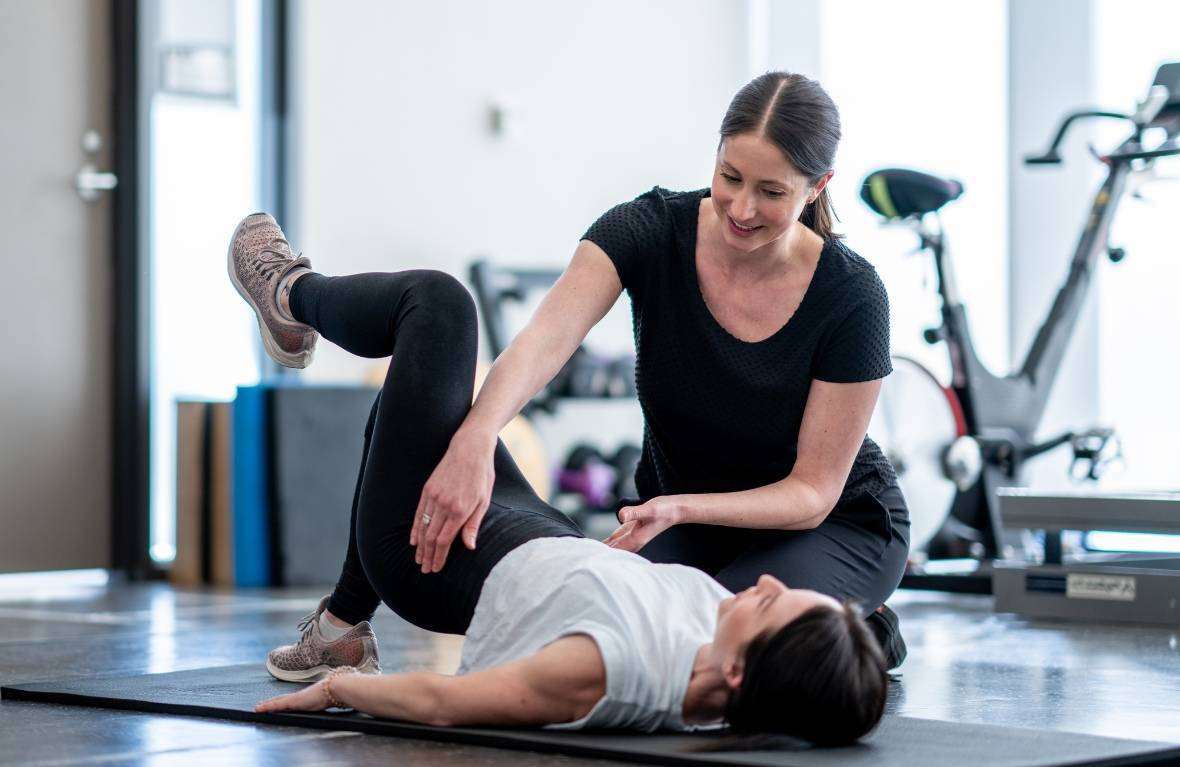
If youve been searching for a natural, sustainable way to support your hormoneswithout relying solely on pills, patches, or guessworkphysiotherapy may be the missing link. While it’s often associated with injury recovery, physiotherapy is a powerful, underused tool for restoring and maintaining optimal hormonal balance.
From cycle regulation and PMS relief to perimenopausal support and stress reduction, women across Canada are discovering how tailored movement, body alignment, and therapeutic techniques can rebalance their internal systems and improve overall well-being.
This isnt just about feeling betterits about building a resilient, responsive body that can adapt to hormonal fluctuations gracefully.
Why Hormonal Balance Matters More Than You Think
Your hormones act like messengers, influencing virtually every system in your body. When they’re in balance, you enjoy:
Consistent energy and mood
Clearer skin and better digestion
Improved sleep and recovery
Regular menstrual cycles
Healthy metabolism and weight stability
Focused mental clarity and emotional resilience
When theyre off balanceoften due to chronic stress, poor posture, inflammation, or inactivityyou might experience:
Brain fog
Anxiety or irritability
Fatigue
Painful or irregular periods
Digestive bloating
Muscle weakness or tension
Sleep disturbances
Rather than suppressing symptoms, physiotherapy works to retrain the body to self-regulateso hormones can return to their natural rhythm.
How Physiotherapy Creates Hormonal Harmony
Hormonal health depends on the balance between your nervous system, musculoskeletal system, and endocrine system. When one is out of sync, the others follow. Physiotherapy works by targeting these areas holistically.
1. Releasing Muscular Tension and Stored Stress
Stress shows up in the body first. Tight hips, clenched jaws, stiff necksthese arent just physical problems. They reflect your nervous system state, which impacts hormone production and response.
Physio solutions:
Myofascial release
Trigger point therapy
Manual therapy for jaw, hips, back, and abdomen
Breath and diaphragm exercises to restore nervous system calm
When the body softens, hormones like cortisol drop, and otherslike progesterone and estrogencan stabilize.
2. Reactivating Pelvic and Core Stability
Your reproductive and adrenal glands live in your core. When your pelvic floor or abdominal wall is weak, overactive, or misaligned, your hormonal systems get overloaded.
Physio solutions:
Internal and external pelvic floor training
Abdominal reconditioning (especially after birth or surgery)
Core breath techniques
Alignment exercises to reduce pelvic congestion and inflammation
This improves not only hormonal flow but also circulation, digestion, and emotional balance.
3. Syncing Movement With Hormonal Cycles
Your body doesnt need the same type of movement every day. In fact, pushing through intense workouts during hormone-sensitive phases can make you feel worse.
Physio solutions:
Cycle-synced exercise planning
Strengthening during estrogen-dominant phases (follicular/ovulatory)
Restorative mobility and posture work during progesterone-dominant phases (luteal/menstrual)
Personalized pacing and recovery strategies
This improves energy, reduces PMS, and helps regulate insulin and cortisol responses.
4. Improving Sleep and Circadian Rhythm
Poor sleep disrupts melatonin, cortisol, and sex hormones. Physiotherapy helps recalibrate the bodys natural rhythms through:
Postural correction to reduce discomfort
Nervous system downregulation
Guided breath routines for pre-sleep relaxation
Education on sleep posture, mobility, and ergonomic habits
Conditions Physiotherapy Can Help With
Women of all ages are using physiotherapy to manage or support:
Menstrual irregularities and PMS
Perimenopause and menopausal transition
Endometriosis and painful periods
Postpartum recovery and hormonal depletion
PCOS and metabolic hormone imbalances
Chronic fatigue and adrenal burnout
Pelvic pain and dysfunction related to hormonal shifts
The Canadian Context: Why More Women Are Choosing Physiotherapy for Hormonal Health
Across Canada, women are becoming more informed and empowered about natural health options. Many are saying no to quick-fix solutions that dont treat the root cause. With extended health benefits often covering physiotherapy sessions, its a practical and accessible resource.
At YourFormsUX, weve seen the growing demand for personalized, cycle-aware care that respects the uniqueness of every womans hormonal landscape.
Getting Started: What to Expect From a Hormonal Health-Focused Physiotherapy Plan
Heres what your wellness journey might look like with a physiotherapist trained in womens health:
Comprehensive Assessment
Your physiotherapist will ask about your cycle, symptoms, stress levels, posture, energy fluctuations, and more.
Manual Therapy + Movement
Hands-on techniques plus tailored strength or mobility exercises that support your hormonal needs.
Nervous System and Breath Training
To reset your stress baseline and enhance internal regulation.
Lifestyle Education
Cycle syncing strategies, posture tips, sleep support, and self-care rituals.
Adaptation and Progression
Plans change with your bodys rhythmswhether monthly or across life stages.
A Real Example: Hormonal Rebalance Through Movement
Tasha, a 39-year-old software developer in Vancouver, was experiencing heavy periods, mood swings, and chronic fatigue. Shed tried supplements and dietary changes but saw minimal results.
Working with a physiotherapist:
She received pelvic floor therapy and abdominal realignment
She learned how to sync her strength training with her menstrual phases
Breathing techniques helped reduce daily stress and improve her sleep
Within three months, her cycle stabilized, PMS lessened, and her energy levels climbed. She now uses physiotherapy as a monthly reset tool to stay balanced.
Final Thoughts: Movement Is Medicine for Hormones
Hormonal wellness isnt about perfectionits about presence, rhythm, and support. Physiotherapy brings you back to your body with awareness and compassion, helping your systems work together the way they were designed to.
You dont need to suffer through irregular cycles, burnout, or hormone-induced tension. With the right physiotherapy-based approach, you can move, breathe, and live in alignment with your bodys natural wisdom.
At YourFormsUX, were proud to support women across Canada in reclaiming hormonal harmonyone movement, one breath, and one empowered step at a time.