Why Pain Happens More Often in Older Adults As we age, several changes can contribute to pain and stiffness: Joint degeneration (like osteoarthritis or spinal wear and tear) Reduced muscle mass and strength Poor balance or posture Chronic inflammation Past injuries resurfacing Limited flexibility or mobility The key is to treat pain gently and holistically, …

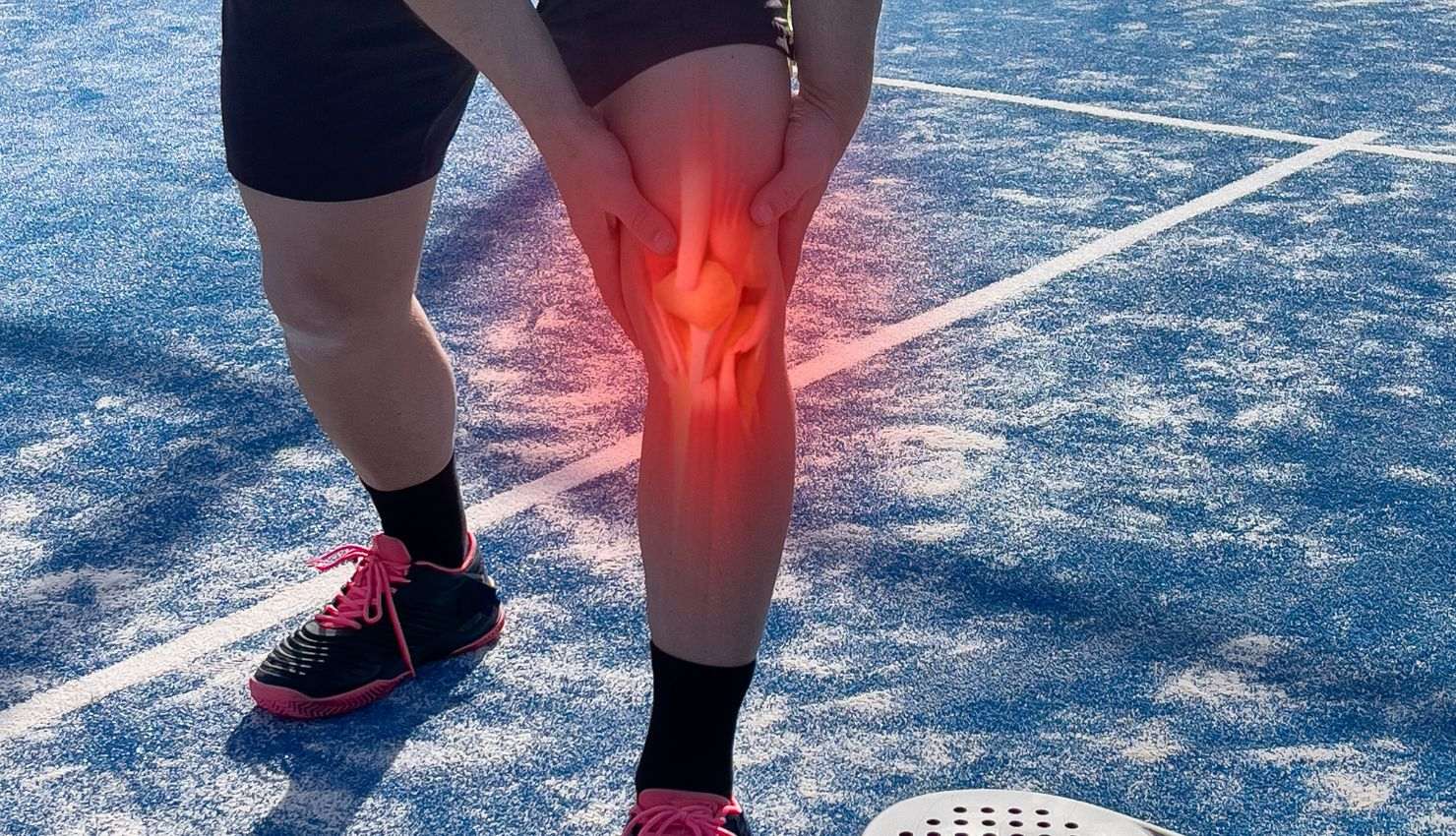
?? Why Pain Happens More Often in Older Adults
As we age, several changes can contribute to pain and stiffness:
Joint degeneration (like osteoarthritis or spinal wear and tear)
Reduced muscle mass and strength
Poor balance or posture
Chronic inflammation
Past injuries resurfacing
Limited flexibility or mobility
The key is to treat pain gently and holistically, focusing on movement, strength, and functionall core pillars of physiotherapy.
??? Top Physiotherapy Techniques That Work Best for Seniors
1. Gentle Strengthening Exercises
Weak muscles cant support the joints properly, which leads to more pain. Physiotherapists design low-impact, joint-friendly exercises to:
Strengthen the core, hips, legs, and shoulders
Support arthritic joints like the knees and hips
Improve walking stability and reduce falls
These exercises are customized to the individual’s fitness leveland they work wonders for both pain and independence.
2. Stretching and Flexibility Training
Tight muscles contribute to joint stress and discomfort. Physios incorporate:
Gentle daily stretches for the hips, back, shoulders, and legs
Passive stretching techniques for those with limited mobility
Yoga-inspired movement for posture and relaxation
Increased flexibility means less stiffness, easier movement, and fewer aches throughout the day.
3. Manual Therapy (Hands-On Treatment)
Many seniors respond well to gentle hands-on techniques like:
Soft tissue massage to reduce muscle tension
Joint mobilization to improve movement
Myofascial release for deep-seated stiffness
This not only helps alleviate pain but also improves circulation and promotes relaxation.
4. Balance and Fall-Prevention Training
Falls are a major cause of pain and injury in older adults. Physios improve:
Leg strength and ankle stability
Reaction time and coordination
Confidence during walking or standing
Use of mobility aids (canes, walkers) properly
Better balance means less fear of movement, which can significantly reduce tension-related pain.
5. TENS and Other Modalities
For additional relief, physiotherapists may use:
TENS (Transcutaneous Electrical Nerve Stimulation) to block pain signals
Heat therapy for stiff muscles and joints
Cold therapy for inflammation or swelling
Ultrasound or gentle laser therapy in specific cases
These techniques are especially helpful for managing chronic pain or post-surgical soreness.
6. Posture and Gait Correction
Years of bad posture or uneven walking patterns can take a toll on the body. Physios help:
Realign posture to relieve pressure on the spine and hips
Train a safer, more efficient walking style
Reduce pain caused by compensatory movements
Even small changes in posture can have a big impact on daily comfort.
7. Education and Self-Management Tools
Physiotherapy empowers seniors to take control of their pain with:
Home exercise routines
Movement modifications for daily tasks
Tips on how to manage flare-ups (when to rest, when to move)
Guidance on safe activities like walking, swimming, or tai chi
This gives seniors the confidence to stay active without fear of worsening pain.
?? What Kind of Results Can Seniors Expect?
Noticeable pain relief: Often within 24 weeks
Improved movement and function: 48 weeks
Long-term benefits: With continued activity and maintenance exercises
And best of all? Improved quality of lifemore independence, better sleep, less stress, and more enjoyment in everyday activities.
? Final Takeaway
Physiotherapy is a gentle, effective, and empowering approach to pain management for older adults. It offers more than just reliefit restores confidence, mobility, and control over daily life.
With hands-on care, targeted exercise, and compassionate support, physiotherapists help seniors:
Move better
Hurt less
Live more fully