As people age, they often experience chronic pain due to age-related conditions like arthritis, osteoporosis, degenerative disc disease, or muscle weakness. Physiotherapy plays a crucial role in managing pain and improving quality of life for elderly individuals.

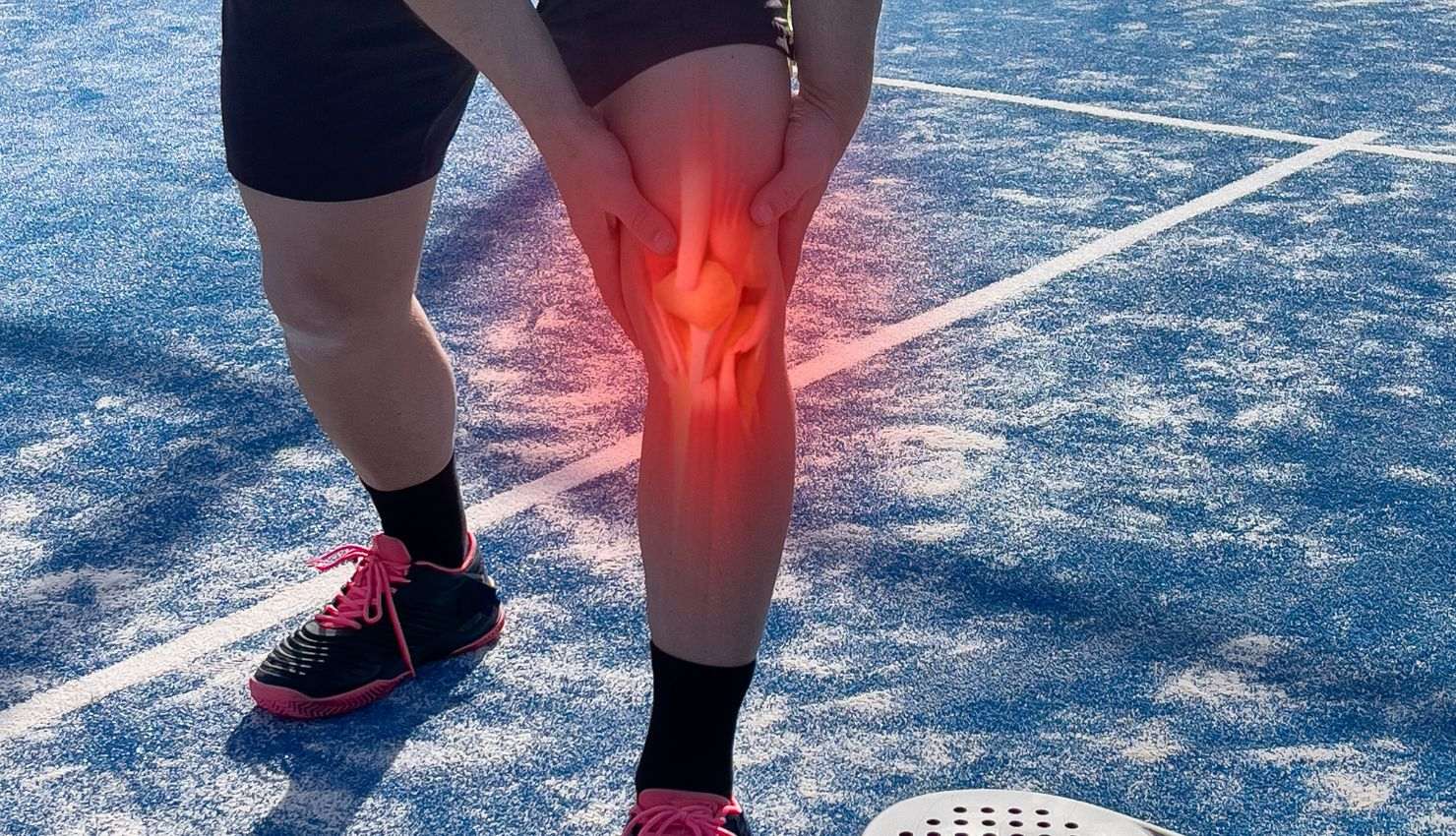
As people age, they often experience chronic pain due to age-related conditions like arthritis, osteoporosis, degenerative disc disease, or muscle weakness. Physiotherapy plays a crucial role in managing pain and improving quality of life for elderly individuals. Through tailored exercises, manual therapy, education, and other techniques, physiotherapists help reduce pain, restore mobility, and enhance the overall well-being of older adults. Heres a comprehensive overview of how physiotherapy is used to manage pain in the elderly:
### **1. Addressing Common Sources of Pain in the Elderly**
Elderly individuals are susceptible to several conditions that lead to chronic pain. Physiotherapists assess the specific causes of pain and create a personalized treatment plan to target these issues.
#### **Common Causes of Pain in the Elderly:**
* **Osteoarthritis (OA)**: OA is a common condition affecting the joints, particularly the knees, hips, and spine, causing pain, stiffness, and reduced mobility.
* **Osteoporosis**: This condition weakens bones and makes them more susceptible to fractures, leading to pain, particularly in the spine and hips.
* **Muscle Weakness**: Sarcopenia (age-related muscle loss) can contribute to chronic pain, especially in the lower back and legs.
* **Postural Issues**: Poor posture due to long-term habits or degenerative spinal changes can lead to chronic back and neck pain.
* **Neuropathic Pain**: Conditions like diabetic neuropathy or nerve compression can lead to sharp, burning, or tingling pain in the extremities.
Physiotherapy addresses these conditions by using techniques that aim to relieve pain and prevent further damage.
—
### **2. Pain Relief Through Exercise and Movement**
Movement is key to managing pain in the elderly. Physiotherapists design exercise programs that are safe, gradual, and effective in improving mobility, strength, and flexibility.
#### **How Exercise Helps:**
* **Strengthening Muscles**: Regular strengthening exercises help improve muscle strength, support joints, and reduce the strain on the bones and soft tissues, reducing pain in conditions like arthritis or osteoporosis.
* **Improving Flexibility**: Gentle stretching exercises can reduce joint stiffness, improve the range of motion, and help alleviate discomfort associated with conditions like OA and muscle tightness.
* **Boosting Endurance**: Cardiovascular exercises, such as walking or stationary cycling, improve blood circulation and overall endurance, which helps reduce fatigue and muscle pain over time.
* **Low-Impact Aerobic Exercises**: Low-impact activities, such as water aerobics, walking, or cycling, can reduce joint strain while improving cardiovascular health and reducing pain.
#### **Examples of Exercise Techniques:**
* **Strengthening the Core**: Exercises like pelvic tilts, leg raises, and bridges strengthen the abdominal and lower back muscles, improving posture and reducing back pain.
* **Range of Motion (ROM) Exercises**: These exercises involve gently moving the joints through their full range to improve flexibility and decrease stiffness.
* **Balance and Coordination Exercises**: Activities like standing on one leg or practicing tai chi improve balance, reducing the risk of falls and injury, which can contribute to pain in older adults.
—
### **3. Manual Therapy and Joint Mobilization**
Manual therapy is a hands-on approach used by physiotherapists to treat pain by manipulating the soft tissues and joints. It is particularly effective for conditions that cause stiffness and restricted movement, such as osteoarthritis and spinal issues.
#### **How Manual Therapy Helps:**
* **Joint Mobilization**: Gentle movements applied to joints can help restore normal movement, reduce stiffness, and alleviate pain in conditions like arthritis and spinal degeneration.
* **Soft Tissue Manipulation**: Techniques like massage, myofascial release, and trigger point therapy can help relax tight muscles, improve circulation, and release tension around the affected area.
* **Massage Therapy**: This helps to relieve muscle tightness, increase blood flow, and provide overall pain relief, especially in areas like the neck, shoulders, and lower back.
* **Postural Alignment**: Physiotherapists use manual therapy to adjust misalignments in posture, which can relieve pain caused by muscle imbalances or joint misalignment, particularly in the spine.
—
### **4. Education on Pain Management and Body Mechanics**
Education plays a crucial role in managing pain in the elderly. Physiotherapists educate patients on how to manage their pain, avoid re-injury, and promote long-term health through lifestyle changes.
#### **How Education Helps:**
* **Posture Correction**: Proper posture can alleviate strain on the spine, joints, and muscles. Physiotherapists teach patients how to maintain good posture while sitting, standing, and walking.
* **Safe Movement Strategies**: Physiotherapists educate patients on how to bend, lift, and move correctly to avoid putting unnecessary stress on the body, particularly the back and joints.
* **Joint Protection Techniques**: Patients with arthritis or other joint issues are taught how to modify movements and use assistive devices (like canes or walkers) to protect their joints and minimize pain.
* **Pain Management Strategies**: Physiotherapists guide patients on how to manage flare-ups of pain, incorporate relaxation techniques, and determine when to apply heat or cold therapy.
—
### **5. Use of Heat and Cold Therapy**
Heat and cold therapy are effective, non-invasive methods for managing pain and inflammation in the elderly. These therapies are often used alongside other physiotherapy treatments to promote comfort and recovery.
#### **How Heat and Cold Therapy Helps:**
* **Cold Therapy (Cryotherapy)**: Cold packs can be applied to reduce inflammation and numb the area in the case of acute flare-ups or injuries. It is particularly effective for joint pain, muscle strains, and sprains.
* **Heat Therapy**: Heat pads or warm baths help to relax tight muscles, increase blood circulation, and reduce muscle spasms, which can provide pain relief for chronic muscle pain or joint stiffness.
#### **Application Guidelines:**
* **Cold Therapy**: Applied for 10-15 minutes at a time, especially in the acute phase of pain or injury, to reduce swelling and numb pain.
* **Heat Therapy**: Applied after the initial inflammation subsides to relax muscles and improve circulation, typically for 15-20 minutes.
—
### **6. Aquatic Therapy for Elderly Pain Relief**
Aquatic therapy, or hydrotherapy, is a great option for elderly individuals who experience pain in weight-bearing joints such as the hips, knees, and spine. The buoyancy of water supports the body, allowing for exercise with minimal joint strain.
#### **How Aquatic Therapy Helps:**
* **Buoyancy Reduces Joint Stress**: Water supports the bodys weight, reducing pressure on joints and allowing for more pain-free movement.
* **Resistance for Strengthening**: Water provides resistance, helping to strengthen muscles and improve endurance without the risk of overloading the joints.
* **Improves Flexibility and Mobility**: The warmth of the water and the freedom of movement in the pool help increase joint mobility and flexibility.
Aquatic therapy is especially beneficial for those with osteoarthritis, fibromyalgia, or other conditions that cause joint pain and stiffness.
—
### **7. Fall Prevention and Balance Training**
Falls are a significant concern for the elderly, as they can lead to fractures, further injury, and more pain. Physiotherapists design specific balance and coordination exercises to improve stability, reduce the risk of falls, and prevent associated pain.
#### **How Balance Training Helps:**
* **Improves Proprioception**: Physiotherapists use exercises that help elderly individuals regain awareness of their bodys position in space, which improves balance and coordination.
* **Strengthens Key Muscles**: Exercises that focus on strengthening the lower body, including the legs and core, enhance stability and prevent falls.
* **Increases Confidence**: By improving balance and coordination, elderly individuals gain more confidence in their ability to move safely, reducing fear and pain associated with falls.
—
### **8. Customized Exercise Programs for Pain Management**
Physiotherapists tailor exercise programs specifically to the elderly, considering their unique needs, fitness levels, and medical history. Exercise not only reduces pain but also helps build strength, improve cardiovascular health, and enhance overall functionality.
#### **How Exercise Programs Help:**
* **Personalized Programs**: The exercises are designed to address the specific areas of pain, such as strengthening the muscles around the knee for knee osteoarthritis or focusing on core stability for back pain.
* **Functional Exercises**: Physiotherapists incorporate functional movements that mimic daily activities, ensuring that the patient can return to independent living with less pain.
* **Pain-Free Movement**: Gentle and progressive exercises are designed to ensure pain is not aggravated during rehabilitation, focusing on improving movement while managing discomfort.
—
### **Conclusion**
Physiotherapy is a highly effective and comprehensive approach to managing pain in the elderly. By addressing the root causes of pain, restoring mobility, improving strength, and providing education on injury prevention, physiotherapy plays a vital role in improving quality of life for older adults. Whether it’s through exercises, manual therapy, balance training, or pain relief techniques, physiotherapists can provide customized treatments that help elderly individuals regain independence, reduce pain, and maintain an active, healthy lifestyle. If you or a loved one is experiencing chronic pain, consulting a physiotherapist can help develop a personalized treatment plan for better pain management and overall well-being.