Pregnancy is an exciting time, but it can also come with various physical discomforts and aches. As the body undergoes numerous changes to support the growing baby, common issues like back pain, pelvic discomfort, sciatica, and neck pain can arise.

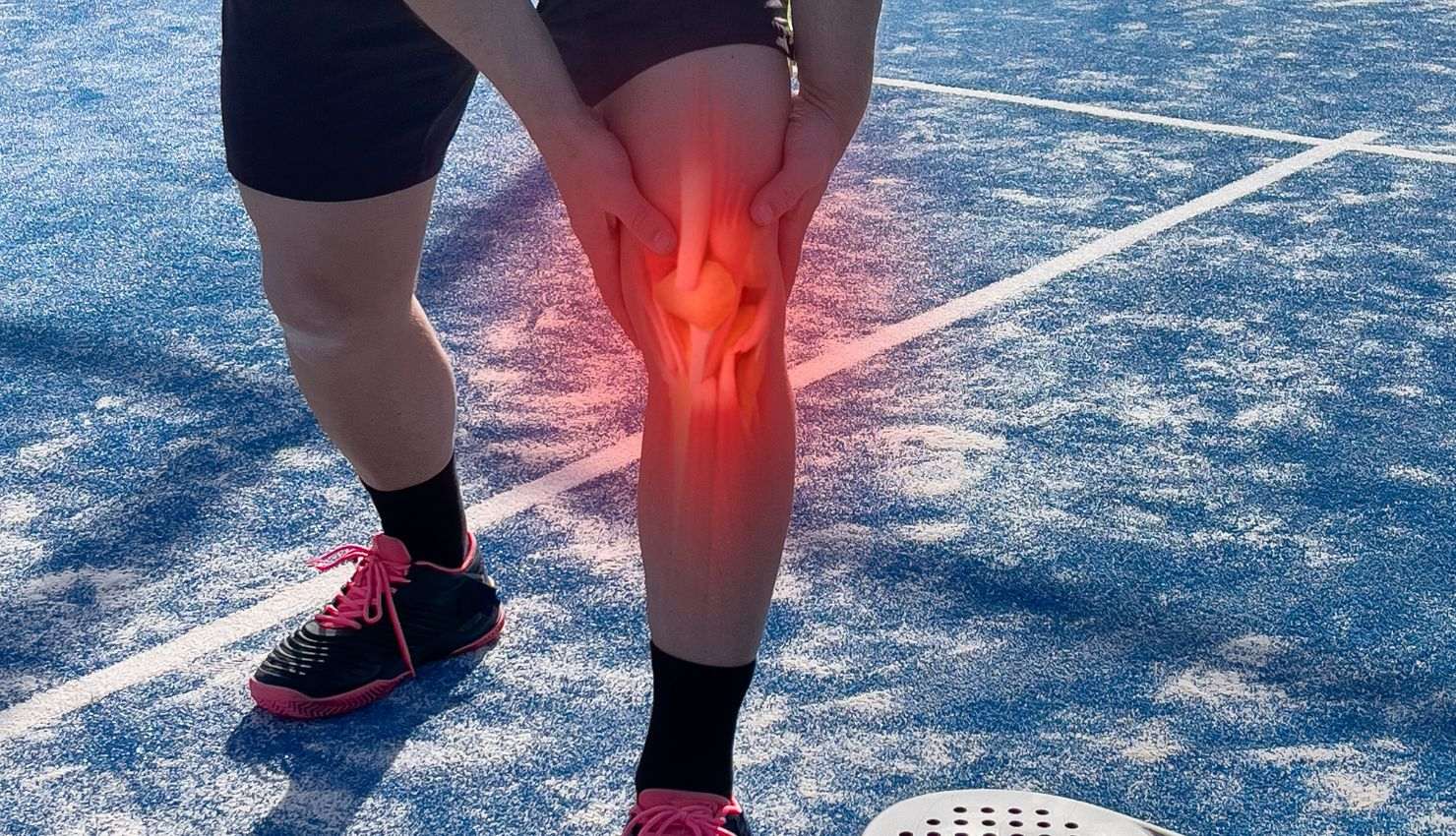
Pregnancy is an exciting time, but it can also come with various physical discomforts and aches. As the body undergoes numerous changes to support the growing baby, common issues like back pain, pelvic discomfort, sciatica, and neck pain can arise. Physiotherapy can be an effective and safe treatment option to help alleviate pain and improve mobility during pregnancy. Heres what you should know about physiotherapy for pain relief during pregnancy.
### **1. Common Pregnancy-Related Pains**
During pregnancy, women often experience pain and discomfort in various areas of the body due to hormonal changes, weight gain, altered posture, and the bodys adaptation to the growing baby. Some of the most common issues include:
* **Lower Back Pain**: As the belly grows, the bodys center of gravity shifts, which can lead to stress on the lower back.
* **Pelvic Pain (Pelvic Girdle Pain)**: This can occur due to changes in the pelvis as the body prepares for childbirth, leading to discomfort in the groin, hips, and lower back.
* **Sciatica**: The pressure from the growing uterus can put pressure on the sciatic nerve, leading to pain that radiates from the lower back down the leg.
* **Neck and Shoulder Pain**: Postural changes and muscle imbalances can cause tension in the neck, shoulders, and upper back.
* **Carpal Tunnel Syndrome**: Fluid retention during pregnancy can cause pressure on the wrist, leading to numbness, tingling, and pain in the hands and wrists.
### **2. Physiotherapy Techniques for Pain Relief**
Physiotherapists can help manage pregnancy-related pain using a variety of techniques that are safe for both the mother and the baby.
#### **Manual Therapy**
* **Soft Tissue Massage**: Massage therapy is often used to relieve muscle tension and tightness, especially in the back, shoulders, and neck. It helps reduce stress and improve blood flow, which can alleviate discomfort caused by muscle stiffness.
* **Joint Mobilizations**: Gentle manipulation of the joints can help restore mobility and reduce pain, particularly in areas like the pelvis and lower back. These techniques are performed with care to ensure safety during pregnancy.
#### **Stretching and Flexibility Exercises**
* **Gentle Stretching**: Physiotherapists may guide you through gentle stretches to improve flexibility and reduce muscle tightness. For example, stretches for the lower back and hips can help relieve pelvic pain and sciatica.
* **Hip and Pelvic Floor Exercises**: Stretching and strengthening the pelvic floor muscles can reduce pelvic pain and support the changes occurring in the pelvic region during pregnancy.
#### **Strengthening Exercises**
* **Core Strengthening**: Strengthening the muscles of the abdomen and lower back can help support the growing belly and improve posture. Exercises such as pelvic tilts or modified planks can strengthen the core without putting undue stress on the back.
* **Postural Exercises**: Physiotherapists often focus on exercises that improve posture and body alignment to reduce strain on the spine and reduce back and neck pain. This is especially important as the body changes and the weight distribution shifts.
#### **Breathing and Relaxation Techniques**
* **Breathing Exercises**: Learning proper breathing techniques can help with pain management and relaxation. Techniques like diaphragmatic breathing can help reduce stress, ease tension in the muscles, and improve oxygen flow to the body.
* **Relaxation Techniques**: Physiotherapists may also guide you in progressive muscle relaxation to reduce muscle tension and stress. Relaxation exercises can help improve sleep quality and ease discomfort.
#### **Pelvic Floor Therapy**
* The pelvic floor muscles support the uterus and other organs, and during pregnancy, these muscles can become overstretched and weak. Physiotherapists can teach exercises that strengthen the pelvic floor, which is important for managing pelvic pain, preventing incontinence, and preparing for labor.
* Pelvic floor exercises, such as Kegel exercises, are safe and effective for strengthening these muscles, helping reduce pain and discomfort.
### **3. Postural Education**
As pregnancy progresses, the bodys posture changes significantly due to the growing baby. These changes can cause back pain, neck pain, and general discomfort. Physiotherapists educate pregnant women on maintaining proper posture to reduce strain on the spine and other muscles.
* **Ergonomic Advice**: Physiotherapists may provide advice on how to sit, stand, and sleep in ways that minimize strain on the back, hips, and neck. They may also recommend supportive pillows or cushions to enhance comfort while sleeping or sitting for long periods.
* **Correct Lifting Techniques**: Pregnant women may experience strain from lifting objects incorrectly. Physiotherapists teach safe lifting techniques, emphasizing the importance of bending at the knees and using the legs to lift, rather than bending at the waist.
### **4. Hydrotherapy**
Water-based exercises are particularly beneficial for pregnant women experiencing pain and discomfort. The buoyancy of water reduces the impact on the joints and muscles, making it easier to move and perform exercises without putting stress on the body. Hydrotherapy can:
* Relieve joint pain and stiffness
* Improve mobility and flexibility
* Help improve cardiovascular fitness with low-impact exercise
Many physiotherapists offer aquatic therapy sessions tailored for pregnant women, allowing them to safely perform exercises to strengthen muscles, improve circulation, and reduce pain.
### **5. Taping and Support**
Kinesiology tape or other forms of supportive taping may be used to provide stability to joints and muscles without restricting movement. For example:
* **Lower Back and Pelvis Support**: Taping techniques can be used to provide additional support to the lower back and pelvis, helping to alleviate pain.
* **Pelvic Girdle Pain**: Specific taping techniques can reduce discomfort caused by pelvic instability, providing relief while walking or standing.
### **6. Education on Safe Physical Activity**
Staying active during pregnancy is generally encouraged, as it promotes overall health and can reduce pain. Physiotherapists guide pregnant women on the best types of physical activity, considering their stage of pregnancy and any specific pain concerns.
* **Low-Impact Exercises**: Activities like walking, swimming, and stationary cycling are typically safe and effective for maintaining fitness and managing pain during pregnancy.
* **Modified Strength Training**: Physiotherapists may recommend gentle strength training exercises that focus on strengthening muscles that support the back, hips, and pelvic area, which can alleviate pain and discomfort.
* **Postpartum Recovery**: Physiotherapists also educate women about postpartum recovery, providing advice on returning to physical activity safely after childbirth, including pelvic floor strengthening and core rehabilitation.
### **7. Manual Techniques for Sciatica and Pelvic Pain**
* **Sciatica Treatment**: Sciatica pain, which radiates from the lower back down the legs, can occur during pregnancy due to pressure from the growing uterus. Physiotherapists can perform gentle manual techniques to release tension in the sciatic nerve and surrounding muscles, providing relief.
* **Pelvic Pain Relief**: Pelvic pain caused by the loosening of ligaments can be addressed through targeted soft tissue massage and joint mobilization techniques. These techniques can help relieve tension, improve mobility, and reduce discomfort in the pelvic region.
### **8. Safety Considerations**
Physiotherapy for pain relief during pregnancy is always designed to be safe for both the mother and the baby. Physiotherapists take into account the individuals trimester, health condition, and any pregnancy-related complications before recommending specific treatments.
* **Adapting Exercises**: Some exercises may need to be adapted as the pregnancy progresses to ensure they remain safe and comfortable.
* **Avoiding Certain Positions**: Physiotherapists avoid positions or movements that could put pressure on the abdomen, such as exercises that require lying on the back after the first trimester.
### **Conclusion**
Physiotherapy can be incredibly beneficial for managing pain during pregnancy, offering natural, non-invasive relief for a variety of pregnancy-related discomforts. From manual therapy and strengthening exercises to posture education and pelvic floor therapy, physiotherapists provide targeted care that supports both the mother and babys health throughout pregnancy. By working with a physiotherapist, pregnant women can manage pain effectively, improve mobility, and maintain an active and healthy lifestyle, helping them enjoy their pregnancy with greater comfort and less pain. If you’re experiencing discomfort during pregnancy, seeking guidance from a physiotherapist can help you safely address and alleviate the pain.