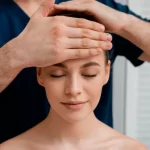
Physiotherapy for Parkinsons Disease explores targeted strategies for recovery. Discover new paths to mobility, healing, and personalized care.


Parkinsons disease (PD) is a progressive neurological disorder that affects movement, balance, and coordination. It commonly affects seniors and can significantly impact their quality of life. While there is currently no cure for Parkinsons, physiotherapy offers invaluable support in managing symptoms, improving mobility, and maintaining independence. In this blog, well explore how physiotherapy serves as a lifeline for seniors living with Parkinsons disease by enhancing physical function, reducing symptoms, and promoting overall well-being.
Understanding Parkinsons Disease and Its Impact on Seniors
Parkinsons disease primarily affects the brain cells responsible for producing dopamine, a neurotransmitter that controls movement. Symptoms often develop gradually and may include:
Tremors or shaking, especially in the hands
Muscle stiffness or rigidity
Bradykinesia (slowness of movement)
Postural instability and balance problems
Gait disturbances such as shuffling steps or freezing
Fatigue and decreased endurance
These symptoms make everyday tasks like walking, dressing, and eating increasingly challenging for seniors with Parkinsons.
Why Physiotherapy Is Crucial in Parkinsons Care
Physiotherapy addresses many of the physical challenges faced by seniors with Parkinsons disease. The benefits include:
Improved Mobility: Exercises help maintain joint flexibility and muscle strength.
Enhanced Balance and Coordination: Balance training reduces fall risk.
Gait Improvement: Techniques target common walking difficulties like shuffling or freezing.
Pain Reduction: Stretching and manual therapy alleviate stiffness and discomfort.
Functional Independence: Focused therapy supports the ability to perform daily activities.
Psychological Well-being: Physical activity improves mood and combats depression.
Key Physiotherapy Approaches for Parkinsons Disease
Exercise Therapy
Regular aerobic, strength, and flexibility exercises help slow physical decline. Activities may include walking, cycling, and targeted resistance training.
Balance and Postural Training
Exercises like standing on one leg, heel-to-toe walking, and use of balance boards help seniors maintain stability and prevent falls.
Gait Training
Physiotherapists work on improving step length, cadence, and weight shifting. Techniques such as cueing (using rhythmic sounds or visual markers) help overcome freezing episodes.
Manual Therapy and Stretching
Hands-on techniques reduce muscle rigidity and improve joint mobility.
Functional Task Practice
Therapy focuses on activities such as getting up from a chair, turning in bed, and reaching, helping seniors stay independent.
Respiratory Exercises
Parkinsons can affect breathing; physiotherapy includes exercises to improve lung function and endurance.
The Importance of Early and Ongoing Physiotherapy
Early intervention can slow the progression of motor symptoms and maintain function for longer. Physiotherapy becomes increasingly important as the disease advances, adapting to changing needs and challenges.
Incorporating Technology and Innovative Therapies
Some physiotherapy programs incorporate:
Treadmill Training with Body Weight Support: To improve gait safely.
Virtual Reality and Gaming: To enhance motivation and engagement.
Robotic Assistance: To assist movement in severely affected patients.
The Role of Caregivers and Family
Physiotherapists often work closely with caregivers, educating them on safe transfer techniques, exercise assistance, and fall prevention strategies. This team approach enhances the seniors safety and quality of life.
Practical Tips for Seniors with Parkinsons
Stay as active as possible daily.
Follow the physiotherapists exercise plan consistently.
Use walking aids or assistive devices as recommended.
Practice relaxation techniques to reduce muscle tension.
Maintain regular medical and therapy appointments.
Conclusion
Physiotherapy is truly a lifeline for seniors with Parkinsons disease. It empowers them to manage symptoms, enhance mobility, and retain independence despite the challenges posed by this progressive condition. With personalized therapy and ongoing support, seniors can improve their quality of life and continue enjoying meaningful activities.