Physiotherapy for Performers explores targeted strategies for recovery. Discover new paths to mobility, healing, and personalized care.

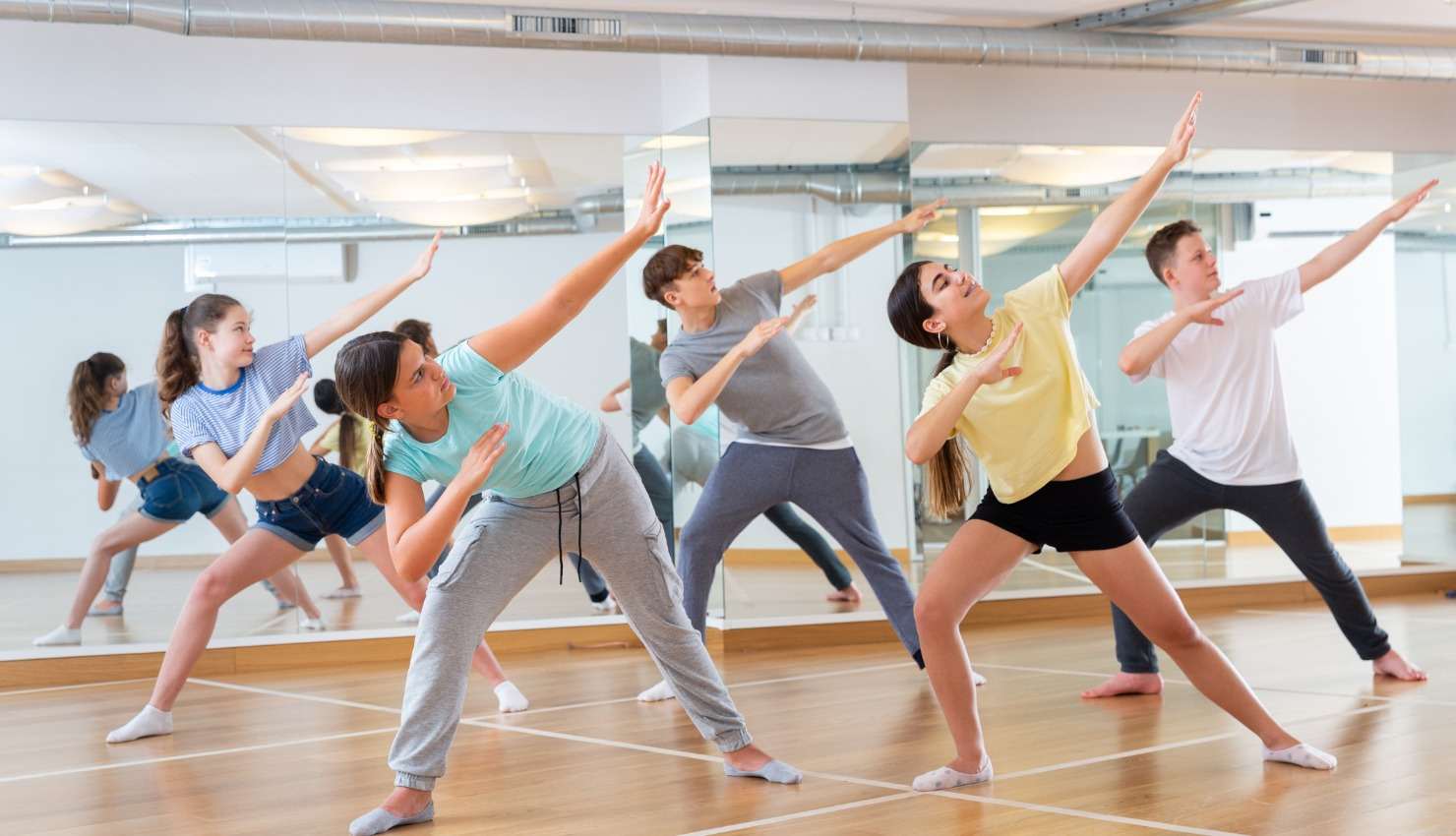
Dance is a physically demanding art form that requires strength, flexibility, coordination, and endurance. While dancers push their bodies to execute stunning choreography, this constant strain can sometimes lead to injury. From minor sprains and strains to more severe injuries like tendonitis or stress fractures, the risk of injury is part of the territory for dancers and performers. However, the good news is that physiotherapy offers a targeted and effective way to recover from these injuries and return to performing at your best.
In this blog, well dive into how physiotherapy can help dancers and performers recover from injuries, regain strength, and avoid future setbacks.
The Nature of Dance Injuries
Dance injuries often result from overuse, improper technique, or sudden movements that place strain on certain muscles or joints. Some of the most common dance injuries include:
Muscle Strains: Overstretching or tearing a muscle, especially in high-stress areas like the hamstrings or calves.
Sprained Ankles: A common injury due to sudden turns or jumps.
Tendonitis: Inflammation of the tendons from repetitive movements.
Stress Fractures: Small cracks in bones, usually caused by the repetitive impact of jumping.
Knee Injuries: Damage to the ligaments or tendons around the knee joint.
Lower Back Pain: Often caused by poor posture, improper technique, or overuse.
These injuries can sideline a dancer from performing, but with the proper physiotherapy treatment, dancers can heal more quickly and safely return to their routines.
How Physiotherapy Helps in the Recovery Process
Physiotherapy is essential for the rehabilitation of dance injuries because it provides a holistic approach to healing. Rather than just addressing the symptoms, physiotherapy focuses on the root causes of the injury and ensures the body heals optimally.
Pain Management:
Initially, the goal of physiotherapy is to reduce pain and inflammation in the affected area. Techniques such as ice therapy, heat therapy, or ultrasound therapy can provide immediate pain relief. In addition, physiotherapists may use manual therapy or massage techniques to alleviate discomfort and improve blood circulation, which is essential for healing.
Restoring Mobility and Flexibility:
After an injury, its common for the affected area to become stiff or limited in movement. Physiotherapy helps restore flexibility and range of motion through stretching exercises and mobility drills. For example, if a dancer has suffered an ankle sprain, a physiotherapist will focus on restoring full range of motion to the ankle joint to ensure the dancer can move freely without pain or restriction.
Strengthening Weak Muscles:
Once the pain subsides, physiotherapists guide dancers through a series of strengthening exercises designed to rebuild muscle strength and stability. This is particularly important for areas that have been injured and weakened during recovery. Strengthening the muscles around the affected joint or muscle group ensures that the area is properly supported and able to handle the physical demands of dance.
Rehabilitation Exercises:
Physiotherapists create individualized rehabilitation plans for dancers based on their specific injuries. These plans typically include progressive exercises that increase in intensity as healing progresses. For example, after a hamstring injury, a physiotherapist may start with light stretches and gradually move toward more complex exercises, such as resistance training or jumping drills, as the muscle regains strength.
Proprioception Training:
Proprioception refers to the bodys ability to sense its position in space and make adjustments accordingly. After an injury, proprioception can be impaired, leading to a higher risk of re-injury. Physiotherapists use balance and coordination exercises to help dancers regain proper proprioception and improve their body awareness, which is essential for maintaining stability and control during complex movements.
Gradual Return to Activity:
One of the most crucial aspects of injury recovery is the gradual return to full activity. A physiotherapist ensures that the dancer doesnt rush back into high-intensity performances too soon, as doing so could cause re-injury. Instead, they create a phased return-to-dance program that starts with gentle movements and progresses to more challenging routines as the body adapts.
The Importance of Preventing Future Injuries
While physiotherapy is excellent for recovery, it also plays an important role in preventing future injuries. Once a dancer has healed from an injury, physiotherapists work on strengthening the body to avoid re-injury. A few ways physiotherapy can help prevent injuries include:
Addressing Muscle Imbalances:
Physiotherapists assess the dancers muscle strength and flexibility to identify any imbalances that may have contributed to the injury in the first place. For example, a dancer with tight hip flexors and weak glutes may be more prone to lower back pain or knee injuries. By correcting these imbalances with targeted exercises, physiotherapists help prevent future injuries.
Improving Technique:
Poor technique is a common cause of dance injuries. Physiotherapists can observe a dancers movements and suggest adjustments to improve alignment and form. Proper technique reduces the stress on muscles and joints, minimizing the risk of strain or injury.
Personalized Injury Prevention Plans:
After rehabilitation, physiotherapists can create personalized injury prevention programs that incorporate strength, flexibility, and mobility exercises tailored to the dancer’s unique needs. These programs are designed to help the dancer maintain a strong and flexible body that can handle the demands of their routines.
Mental Health and Injury Recovery
Injury recovery isnt just about physical healing its also a mental challenge. Dancers who are injured may feel frustrated, anxious, or depressed about being unable to perform. Physiotherapists provide a supportive environment that encourages a positive mindset throughout the recovery process.
By setting realistic recovery goals and offering emotional support, physiotherapists can help dancers regain confidence in their bodies and their abilities. They also teach mental techniques to stay focused and motivated during rehabilitation, ensuring that dancers remain engaged and committed to their recovery.
Conclusion
Recovering from a dance injury can be a long and challenging process, but physiotherapy offers essential tools to help dancers heal efficiently, safely, and effectively. From pain management and mobility restoration to strength building and injury prevention, physiotherapists play a crucial role in helping dancers return to their passion while minimizing the risk of future injuries.
If you’re a dancer who has suffered an injury or simply wants to take proactive steps to ensure your long-term health, physiotherapy should be an integral part of your routine. It not only helps with recovery but also provides the foundation for a strong, resilient body capable of handling the physical demands of dance for years to come.