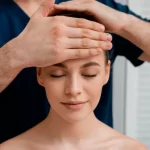
Physiotherapy for Post-Stroke Rehabilitation explores targeted strategies for recovery. Discover new paths to mobility, healing, and personalized care.


A stroke is a life-altering event that affects millions of people worldwide, and seniors are particularly vulnerable. After a stroke, many survivors face significant challenges related to movement, balance, strength, and daily functioning. The good news? Physiotherapy is a cornerstone of post-stroke rehabilitation and offers hope by helping patients regain as much independence and quality of life as possible.
Understanding Stroke and Its Impact on Mobility
A stroke occurs when blood flow to a part of the brain is interrupted, either due to a blockage (ischemic stroke) or bleeding (hemorrhagic stroke). This interruption damages brain tissue and results in varying degrees of neurological impairment. Common after-effects include:
Weakness or paralysis on one side of the body (hemiparesis or hemiplegia).
Loss of coordination and balance.
Difficulty walking or standing.
Muscle stiffness or spasticity.
Impaired sensation or proprioception.
Challenges with speech or swallowing (though outside the scope of physiotherapy).
The extent and location of the brain injury determine the severity and type of physical limitations experienced.
Why Physiotherapy Is Essential After a Stroke
Physiotherapy focuses on helping stroke survivors regain movement, strength, and coordination. Early and consistent rehabilitation can prevent muscle atrophy, joint contractures, and secondary complications such as pressure sores or pneumonia. The goal is to help patients recover functional independencewalking, dressing, transferring, and engaging in everyday activities.
Key Components of Post-Stroke Physiotherapy
1. Comprehensive Assessment
A physiotherapist conducts a thorough evaluation of motor control, muscle strength, joint range of motion, balance, coordination, and gait patterns. Understanding the individuals baseline function and limitations allows for a customized rehabilitation plan.
2. Motor Relearning and Neuroplasticity
One of the most promising aspects of stroke recovery is the brains ability to adapt and reorganize itselfa phenomenon known as neuroplasticity. Physiotherapy leverages this by using repetitive, task-specific exercises to retrain the brain and nervous system to control movements.
Techniques include:
Task-Oriented Training: Practicing functional activities like reaching, grasping, or walking repeatedly to improve skill.
Constraint-Induced Movement Therapy: Encouraging use of the affected limb by limiting movement of the unaffected side.
Mirror Therapy: Using the reflection of the unaffected limb to stimulate neural pathways.
3. Strength and Endurance Training
Muscle weakness is common after a stroke. Physiotherapists prescribe strengthening exercises to target affected limbs and core muscles, improving overall endurance and stability. This helps reduce fatigue and enhances the ability to perform daily tasks.
4. Balance and Coordination Exercises
Balance impairments increase fall risk in stroke survivors. Therapists use balance boards, stability exercises, and weight-shifting activities to retrain balance and prevent falls.
5. Gait Training
Walking is a primary goal for most stroke patients. Physiotherapists analyze gait mechanics and use assistive devices if necessary. Techniques such as treadmill training with body-weight support or overground walking practice improve walking speed, safety, and endurance.
6. Spasticity Management
Spasticitymuscle stiffness or involuntary contractionscan limit movement. Physiotherapy incorporates stretching, positioning, and sometimes electrical stimulation to reduce spasticity and improve mobility.
The Role of Family and Caregivers
Support from family and caregivers is vital for successful rehabilitation. Physiotherapists often educate them on safe transfer techniques, home exercises, and how to encourage participation in therapy. A supportive environment enhances motivation and adherence.
The Psychological Aspect of Stroke Rehabilitation
Stroke recovery is not just physicalits emotional and psychological. Many survivors experience depression, anxiety, or frustration. Physiotherapists often collaborate with mental health professionals and encourage social engagement as part of holistic care.
The Timeline of Post-Stroke Physiotherapy
Recovery varies widely depending on stroke severity and patient factors. Early interventionstarting within days or weeksis ideal. Intensive therapy in the first 3 to 6 months yields the best outcomes, though improvements can continue for years with ongoing therapy.
Benefits of Physiotherapy in Post-Stroke Recovery
Improved Muscle Strength and Function
Enhanced Mobility and Independence
Reduced Risk of Secondary Complications
Better Balance and Fall Prevention
Increased Confidence and Quality of Life
How to Access Physiotherapy After Stroke in Canada
In Canada, post-stroke rehabilitation services are offered through hospitals, outpatient clinics, community health centers, and home care programs. Your healthcare provider or stroke rehabilitation team can help connect you with physiotherapy services.
Conclusion
Physiotherapy is a critical component in the journey of post-stroke recovery. Through tailored exercises, functional training, and neuroplasticity-focused techniques, physiotherapists help stroke survivors regain movement and reclaim their independence. If you or a loved one has experienced a stroke, early physiotherapy intervention can make a profound difference in restoring function and improving life quality.