Physiotherapy for Pre-Performance Conditioning explores targeted strategies for recovery. Discover new paths to mobility, healing, and personalized care.

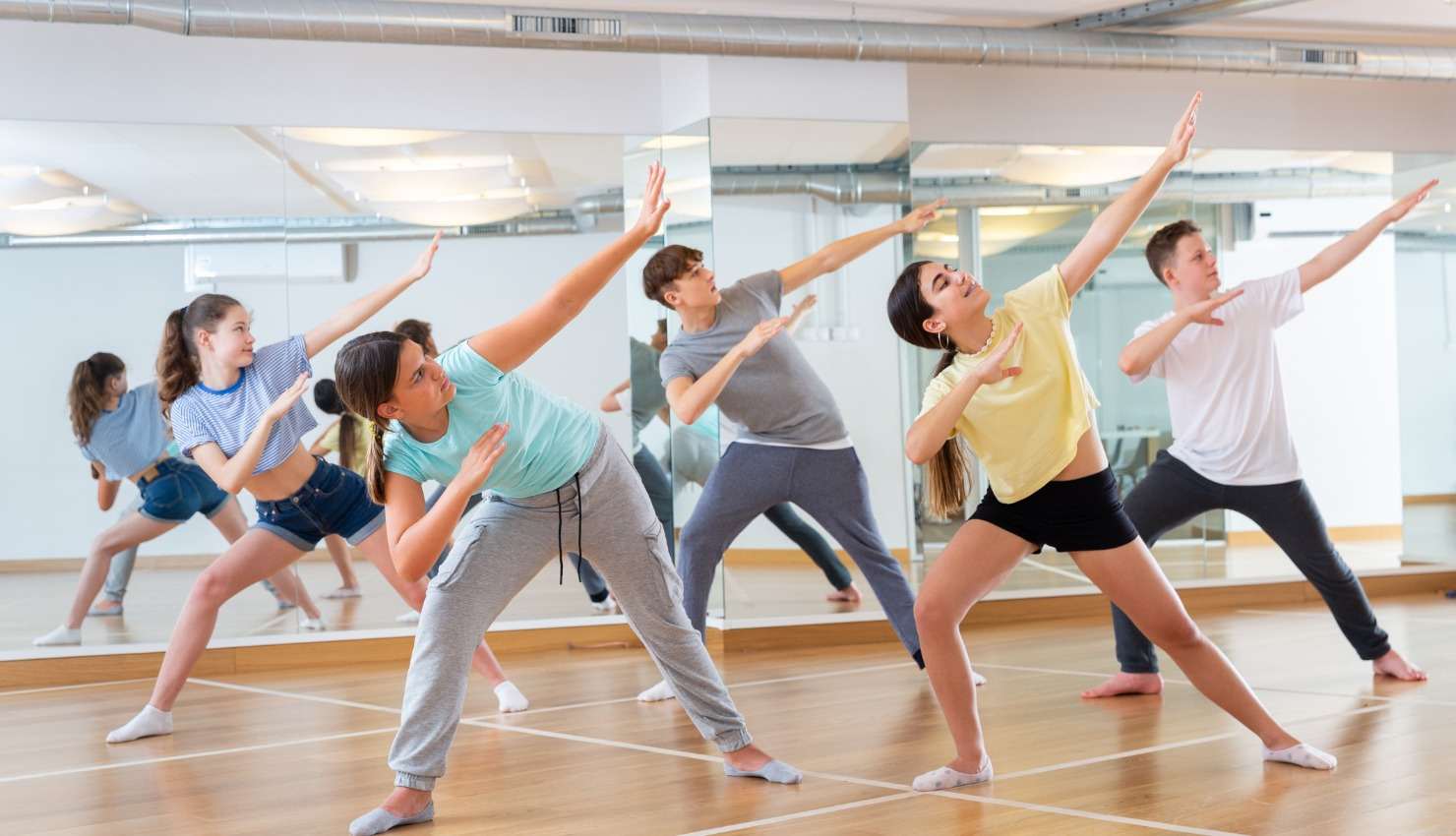
Pre-performance conditioning refers to a strategic approach to physical readiness, designed to:
Reduce injury risk
Maximize strength and flexibility
Improve neuromuscular control and coordination
Build mental focus and confidence before showtime
Physiotherapists help dancers build this readiness through customized exercise plans, recovery tools, and body optimization techniques.
?? How Physiotherapy Enhances Pre-Performance Conditioning
1. ?? Body Assessment and Movement Screening
Before jumping into a show season, a physiotherapist will:
Identify biomechanical imbalances
Evaluate joint mobility and muscle activation
Analyze movement patterns for inefficiencies or risks
This ensures your conditioning program directly addresses your unique body needs, rather than relying on generic workouts.
2. ?????? Strengthening Key Muscle Groups
Physiotherapy targets essential stabilizing muscles that dancers rely on, including:
Core and pelvic floor
Glutes and deep hip rotators
Scapular stabilizers and shoulder girdle
?? A strong foundation allows for more powerful, controlled movement especially during leaps, turns, and floorwork.
3. ?? Improving Flexibility and Joint Control
Dancers often overstretch without control. Physios help develop active flexibility the ability to control movement at the end range of motion. Techniques include:
Dynamic stretching routines
Proprioceptive neuromuscular facilitation (PNF)
Joint mobilization paired with activation
This improves grace and fluidity while protecting the joints.
4. ?? Neuromuscular Warm-Ups
Forget static stretches. Pre-performance warm-ups designed by physiotherapists:
Stimulate the nervous system
Activate specific muscles
Reinforce good alignment and posture
Prime your body for precise, fast movement
These routines reduce stiffness, improve reaction time, and help you feel switched on.
5. ?? Addressing Minor Issues Before They Become Major
During rehearsals, small aches or tension can build. Physiotherapists monitor:
Muscle tightness
Joint inflammation
Tendon overuse or micro-tears
By treating early, you avoid missing performances due to preventable injuries.
6. ????? Mental and Physical Recovery Planning
An overlooked part of performance prep is nervous system recovery. Physiotherapists use:
Guided breathing techniques
Mobility and myofascial release
Cool-down protocols
These help dancers recharge between rehearsals, improving focus and reducing fatigue.
? Sample Pre-Performance Physio Routine (2030 mins)
Phase Activity Purpose
1. Activation Glute bridges, dead bugs, band walks Core & stabilizer wake-up
2. Dynamic Mobility Arm swings, hip circles, lunges Loosen joints, boost circulation
3. Neuromuscular Warm-Up Heel rises, balance drills, jumps Prep for fast, precise movement
4. Movement Rehearsal Small sections of choreography Pattern rehearsal under tension
5. Cool Down (Post-Dance) Foam rolling, breathing, gentle stretching Lower heart rate, prevent soreness
?? Why Dancers Love Pre-Performance Physiotherapy
I feel more in control of my body when I step on stage.
It gives me confidence knowing Ive done everything to prepare.
My fatigue and tension are way lower now even during double show days.
Its like having a pit crew for my body.