Physiotherapy for Recovery after Sports-Related Concussions explores targeted strategies for recovery. Discover new paths to mobility, healing, and personalized care.

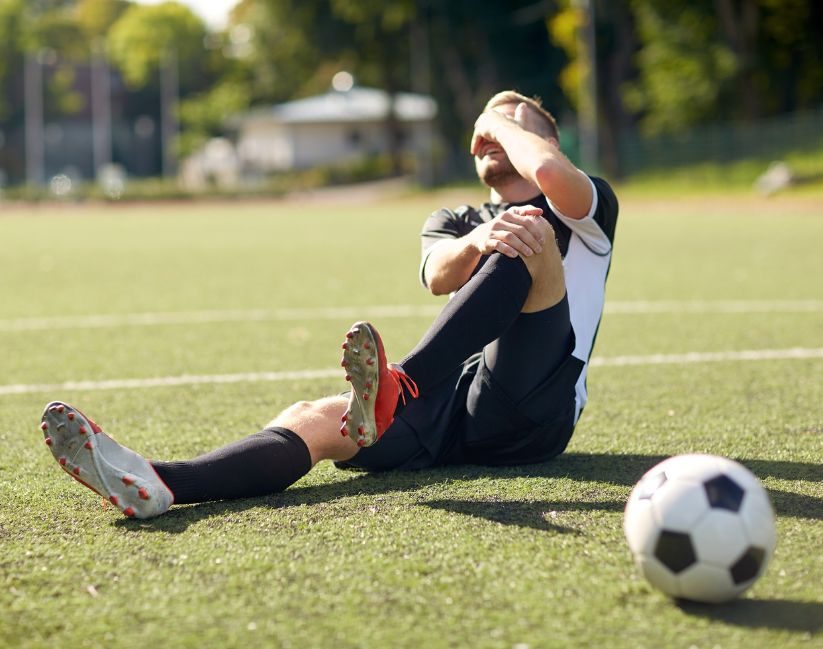
Sports-related concussions are one of the most common injuries experienced by athletes across various disciplinesfrom football and hockey to soccer and rugby. While a concussion might be labeled as a mild brain injury, the recovery process is anything but simple. Many athletes, coaches, and even medical professionals underestimate the complexity of healing from concussions, leading to premature returns to play or inadequate rehabilitation. This is where physiotherapy plays a crucial role, offering specialized treatments and recovery protocols tailored to the unique challenges of concussion management.
What Exactly is a Sports-Related Concussion?
A concussion is a traumatic brain injury caused by a direct blow to the head or a violent shaking of the body that results in rapid movement of the brain inside the skull. This sudden motion can cause the brain to bruise, stretch, or even sustain microscopic damage at the cellular level. The effects of a concussion vary widely among individuals but typically include headaches, dizziness, confusion, nausea, visual disturbances, balance problems, and difficulty concentrating. Sometimes symptoms may be immediate; other times, they might develop gradually over hours or days.
Athletes involved in contact sports are particularly vulnerable to concussions due to the frequent impacts and collisions inherent in their activities. However, concussions can happen in virtually any sport or physical activity, which underscores the importance of proper management across all athletic disciplines.
Why Is Physiotherapy So Important in Concussion Recovery?
In the past, the primary advice following a concussion was complete rest until symptoms disappeared, followed by a gradual return to activity. While rest remains essential in the acute phase (usually 24-48 hours after injury), prolonged inactivity can lead to muscle deconditioning, increased fatigue, and delayed neurological recovery. This can prolong symptoms and negatively impact an athletes mental and physical well-being.
Physiotherapy introduces a targeted, active approach to concussion recovery, focusing not only on symptom relief but also on restoring function and preventing future injuries. Physiotherapists trained in concussion care understand the complex interaction between the brain, nervous system, vestibular system (responsible for balance), and musculoskeletal system. They develop personalized rehabilitation programs designed to improve balance, reduce dizziness, restore neck mobility, and promote cognitive recovery.
Vestibular Rehabilitation: Restoring Balance and Spatial Awareness
One of the most common complications following a concussion is vestibular dysfunction. The vestibular system helps maintain balance and spatial orientation by processing signals from the inner ear and sending them to the brain. When this system is disrupted by a concussion, athletes may experience persistent dizziness, vertigo, nausea, and problems with coordination.
Vestibular rehabilitation therapy (VRT) is a specialized form of physiotherapy that uses specific head and eye exercises to retrain the brains balance mechanisms. VRT gradually exposes the vestibular system to controlled movements, reducing symptoms and improving the athletes ability to navigate their environment safely. This therapy is especially important for athletes who participate in fast-paced sports that require quick changes in direction and precise spatial awareness.
Cervical Spine Therapy: Addressing Neck Pain and Headaches
Post-concussion headaches and neck pain are frequently linked to injury or dysfunction in the cervical spinethe neck region. During the impact that causes a concussion, neck muscles and joints can also be strained or injured. This can lead to persistent headaches, stiffness, and reduced neck mobility.
Physiotherapists use manual therapy techniques to release muscle tension, improve joint mobility, and restore normal movement patterns in the neck. Combined with targeted strengthening exercises, cervical spine therapy helps alleviate headaches and supports overall concussion recovery. Strengthening the neck also plays a preventative role by reducing the risk of future concussions in contact sports.
The Role of Controlled Aerobic Exercise
Contrary to the old belief that complete rest is best, recent research shows that carefully monitored aerobic exercise can facilitate brain healing after a concussion. Physiotherapists guide athletes through low-intensity aerobic activitiessuch as walking or cycling at a controlled pacethat increase heart rate without worsening symptoms.
This gradual increase in physical activity improves cerebral blood flow, which is essential for brain repair and function. It also helps maintain cardiovascular fitness and prevents the physical deconditioning that can occur during prolonged rest. Physiotherapists carefully monitor symptoms during these sessions, adjusting the intensity to keep athletes in a safe “sub-symptom threshold” zone.
Stepwise Return to Sport: A Safe Road Back
One of the most challenging aspects of concussion recovery is determining when an athlete can safely return to full sport participation. Returning too early risks exacerbating symptoms or causing a second concussion, which can have serious consequences.
Physiotherapy supports a structured return-to-sport protocol, which typically consists of five progressive stages:
Symptom-limited activity: Rest and basic daily activities without worsening symptoms.
Light aerobic exercise: Low-impact cardio to increase heart rate.
Sport-specific exercise: Non-contact training drills tailored to the athletes sport.
Non-contact training drills: Increased intensity with added movement.
Full contact practice: Return to regular training and contact under supervision.
Return to play: Full participation with clearance from healthcare providers.
At each stage, physiotherapists assess symptoms and functional abilities to ensure progression is safe. If symptoms return or worsen, the athlete steps back to the previous stage for further recovery.
Psychological Support and Education
Concussion recovery isnt just physical. Many athletes struggle with anxiety, frustration, or fear of re-injury during the rehabilitation process. Physiotherapists play an important role in providing education about symptoms, recovery timelines, and realistic expectations. They also encourage open communication, helping athletes stay motivated and mentally prepared for their return to sport.
Long-Term Benefits of Physiotherapy after Concussion
Engaging in physiotherapy after a sports-related concussion offers lasting benefits beyond initial recovery. Athletes regain balance, coordination, and strength, which reduces the likelihood of future injuries. They also learn strategies to manage symptoms and maintain overall brain health. This proactive approach helps extend athletic careers and improves quality of life both on and off the field.