Physiotherapy for Spine Health explores targeted strategies for recovery. Discover new paths to mobility, healing, and personalized care.

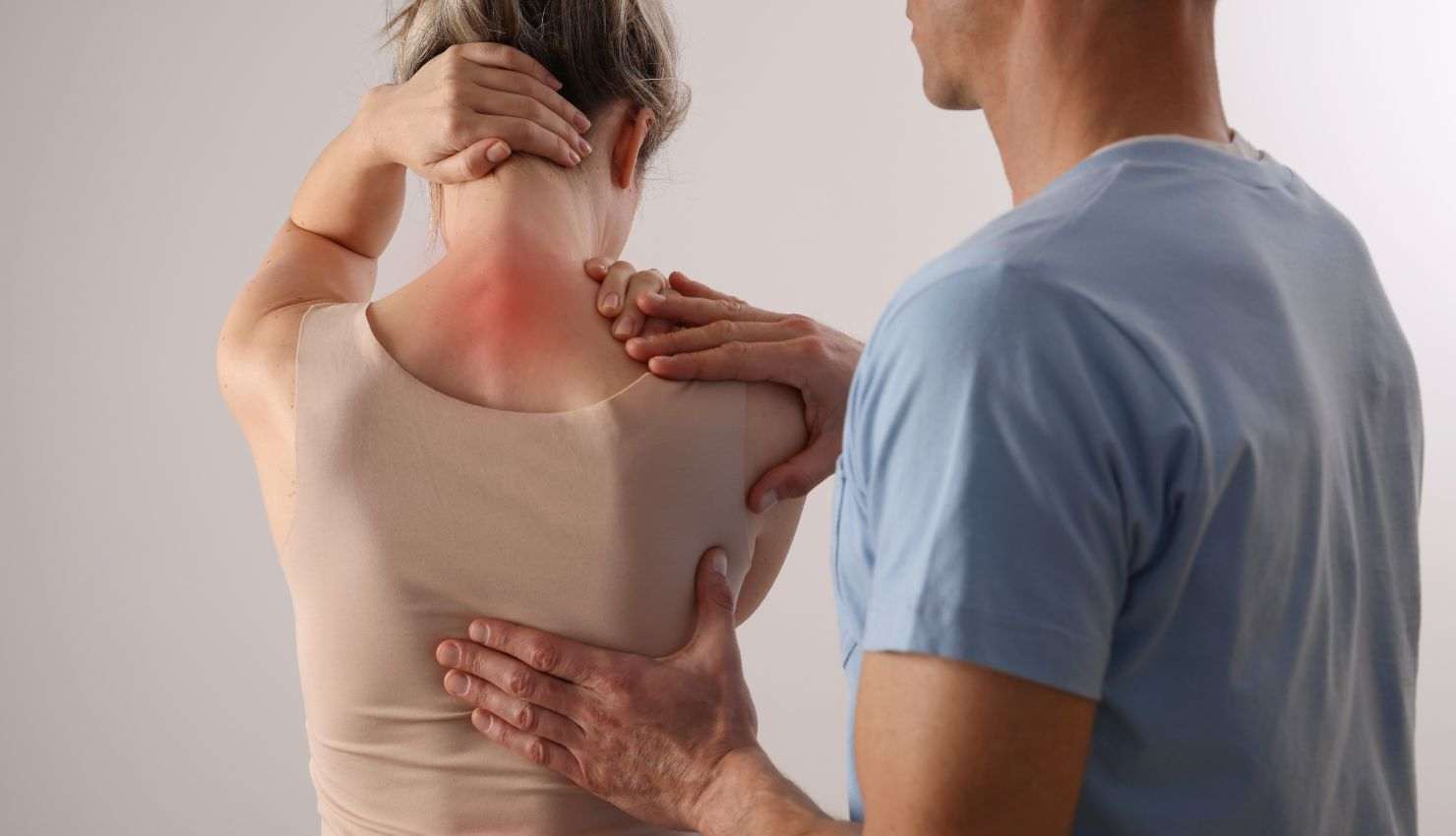
Maintaining a healthy spine is essential for everyday movement, balance, and overall quality of life. One of the most critical factors contributing to spine health is core stability. Without a stable core, the spine lacks proper support, increasing the risk of injury, pain, and poor posture. Physiotherapy offers effective strategies to develop and maintain core stability, making it a cornerstone in spinal health management and rehabilitation.
What is Core Stability and Why Does It Matter?
Core stability refers to the ability of the muscles around your trunk and pelvis to support your spine during static positions and dynamic movements. It involves the coordinated action of deep muscles, such as the transverse abdominis, multifidus, pelvic floor muscles, and diaphragm, working together to maintain spinal alignment and control.
A stable core acts as a natural brace, protecting the spine by:
Distributing forces evenly across spinal segments
Limiting excessive or abnormal spinal movement
Enhancing posture and balance
Reducing the likelihood of injuries during physical activity
Without adequate core stability, the spine becomes vulnerable to stress, which can lead to chronic back pain, disc problems, and impaired function.
How Physiotherapy Enhances Core Stability
Physiotherapists are experts in assessing and treating musculoskeletal conditions, including those affecting the spine. They focus on core stability to improve spinal health by:
Comprehensive Assessment
Evaluating muscle strength, endurance, posture, and movement patterns to identify weaknesses or imbalances.
Personalized Exercise Programs
Designing targeted exercises that activate and strengthen core muscles progressively and safely.
Manual Therapy Techniques
Using hands-on methods to relieve muscle tension, improve joint mobility, and promote proper alignment.
Postural Education
Teaching correct body mechanics for daily activities to reduce unnecessary strain on the spine.
Functional Training
Helping patients integrate core stability into real-life movements such as walking, lifting, and sports.
Core Stability Exercises Commonly Used in Physiotherapy
Physiotherapists often start with exercises that promote core activation before progressing to more dynamic movements:
Abdominal Bracing:
Contract your abdominal muscles as if preparing for a punch without holding your breath. Hold for 10 seconds and repeat.
Pelvic Tilts:
Lie on your back with knees bent. Tilt your pelvis to flatten your lower back against the floor, engaging the core.
Bird-Dog:
From a hands-and-knees position, extend opposite arm and leg, maintaining a neutral spine.
Planks:
Hold a stable plank position on your forearms or hands, ensuring your body forms a straight line.
Bridges:
Lift your hips from the floor, engaging glute and core muscles.
Benefits of Core Stability Training for Spine Health
Patients who engage in core stability training through physiotherapy often experience:
Reduced lower back and neck pain
Improved posture and spinal alignment
Enhanced balance and reduced risk of falls
Greater endurance for daily tasks and physical activities
Faster recovery from spinal injuries or surgeries
Integrating Core Stability into Everyday Life
Maintaining core stability goes beyond therapy sessions. Physiotherapists encourage patients to:
Practice proper posture while sitting, standing, and lifting
Use ergonomic furniture and supportive footwear
Avoid prolonged static postures by taking regular movement breaks
Engage in regular physical activity that supports core strength, like swimming or yoga
Conclusion
Core stability is a fundamental element of spine health that supports pain-free movement, posture, and injury prevention. Physiotherapy provides a structured and effective approach to developing and maintaining this stability through personalized assessment and targeted exercises. Investing in core stability training is investing in a healthier spine and a more active, comfortable life.