Pelvic health disorders affect millions of women, yet they often remain undiagnosed, untreated, or misunderstood. From pelvic organ prolapse to chronic pelvic pain and urinary incontinence, these conditions can significantly impact daily life, emotional well-being, and physical function.

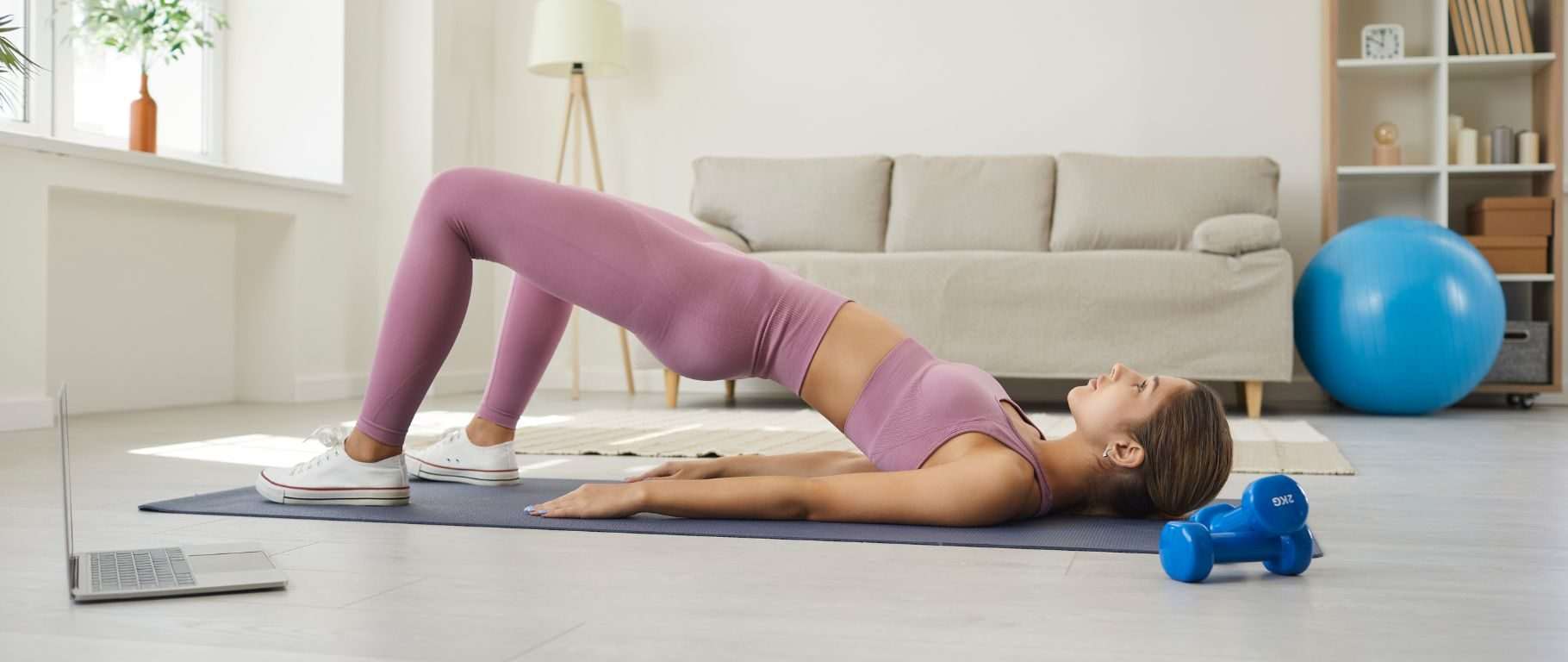
Pelvic health disorders affect millions of women, yet they often remain undiagnosed, untreated, or misunderstood. From pelvic organ prolapse to chronic pelvic pain and urinary incontinence, these conditions can significantly impact daily life, emotional well-being, and physical function. Physiotherapy offers women a non-invasive, evidence-based path to managing and recovering from a wide range of pelvic health disorders.
Common Pelvic Health Disorders in Women
Pelvic health disorders refer to dysfunctions in the muscles, connective tissues, or organs of the pelvic region. Some of the most common conditions include:
Pelvic Organ Prolapse (POP): When the bladder, uterus, or rectum descends into or outside the vaginal canal due to weakened support structures.
Urinary Incontinence: Involuntary leakage of urine during physical activity, urgency, or without warning.
Fecal Incontinence: Loss of bowel control, often due to childbirth or pelvic trauma.
Chronic Pelvic Pain: Persistent pain in the lower abdomen or pelvis lasting more than six months.
Dyspareunia: Pain during or after sexual intercourse.
Vaginismus and Hypertonic Pelvic Floor: Involuntary tightness of the pelvic floor muscles, leading to discomfort and functional limitations.
These disorders often result from childbirth, surgery, hormonal changes, chronic straining, or age-related degeneration.
The Role of Physiotherapy in Pelvic Health Recovery
Pelvic health physiotherapy addresses the underlying muscular and structural dysfunctions contributing to these disorders. The goal is to restore strength, coordination, flexibility, and function of the pelvic floor and surrounding systems.
1. Comprehensive Evaluation
A pelvic health physiotherapist conducts an in-depth assessment that includes:
Evaluation of muscle tone, strength, and coordination
Identification of trigger points, scar tissue, or fascial restrictions
Analysis of posture, breathing patterns, and core engagement
Review of bladder, bowel, and sexual health history
This evaluation forms the basis for a personalized treatment plan tailored to the patients needs and goals.
2. Pelvic Floor Rehabilitation
Rehabilitation includes specific exercises to restore normal function in the pelvic floor:
Strengthening exercises for weak or underactive muscles (often for prolapse or incontinence)
Relaxation techniques for overactive or tight muscles (often for pain disorders or vaginismus)
Coordination training to improve timing and control of muscle engagement
These exercises are adjusted over time as progress is made, helping women regain control and confidence.
3. Manual Therapy Techniques
Manual therapy is a cornerstone of physiotherapy for pelvic health disorders. Techniques include:
Myofascial release to reduce internal tension and improve circulation
Scar mobilization after episiotomy or surgical interventions
Trigger point release to relieve pelvic pain
Internal and external mobilizations to restore range of motion and comfort
These hands-on methods promote healing, reduce discomfort, and improve tissue mobility.
4. Postural and Core Stabilization Training
Posture and core function are closely linked to pelvic health. Poor alignment or weak abdominal muscles can place extra strain on the pelvic floor. Physiotherapists teach functional movement patterns and core engagement strategies that:
Support pelvic organs
Improve pressure distribution
Reduce the risk of symptom recurrence
Patients also learn to lift, bend, and move in ways that protect their pelvic structures.
5. Bladder and Bowel Retraining
For women dealing with incontinence or constipation, physiotherapy includes behavior training that focuses on:
Scheduled voiding and urge suppression techniques
Dietary advice to reduce bladder and bowel irritation
Relaxation techniques for bowel movement support
Pelvic floor awareness for complete voiding
This holistic approach addresses the physical and behavioral contributors to bladder and bowel dysfunction.
6. Education and Empowerment
Physiotherapy also involves teaching women about the anatomy and function of their pelvic floor. Understanding how muscles, posture, breathing, and movement affect pelvic health helps patients take ownership of their recovery and make informed choices. Education covers:
Proper body mechanics
Exercise and activity guidelines
Lifestyle habits that protect the pelvic floor
Sexual health and comfort strategies
This knowledge encourages sustainable wellness and long-term prevention.
Who Should Seek Physiotherapy for Pelvic Health?
Women experiencing any of the following may benefit from pelvic health physiotherapy:
Pelvic heaviness or bulging sensation
Leaking urine or stool
Pain with movement, intimacy, or sitting
Postpartum pelvic weakness or dysfunction
Chronic constipation or straining
Recovery from pelvic surgery or injury
Early intervention can reduce symptoms, improve quality of life, and eliminate the need for more invasive treatments.
A Non-Invasive and Empowering Option
Unlike surgery or medication, physiotherapy focuses on empowering the body to heal and function better using safe, non-invasive methods. With the right guidance, many women see improvements in weeks and build lasting pelvic health habits that serve them through all stages of life.