If youve ever walked out of the gym feeling like your muscles turned to concrete, youre not alone. That lingering soreness or stiffnessoften referred to as post-workout muscle tightnesscan hinder your recovery and make even…

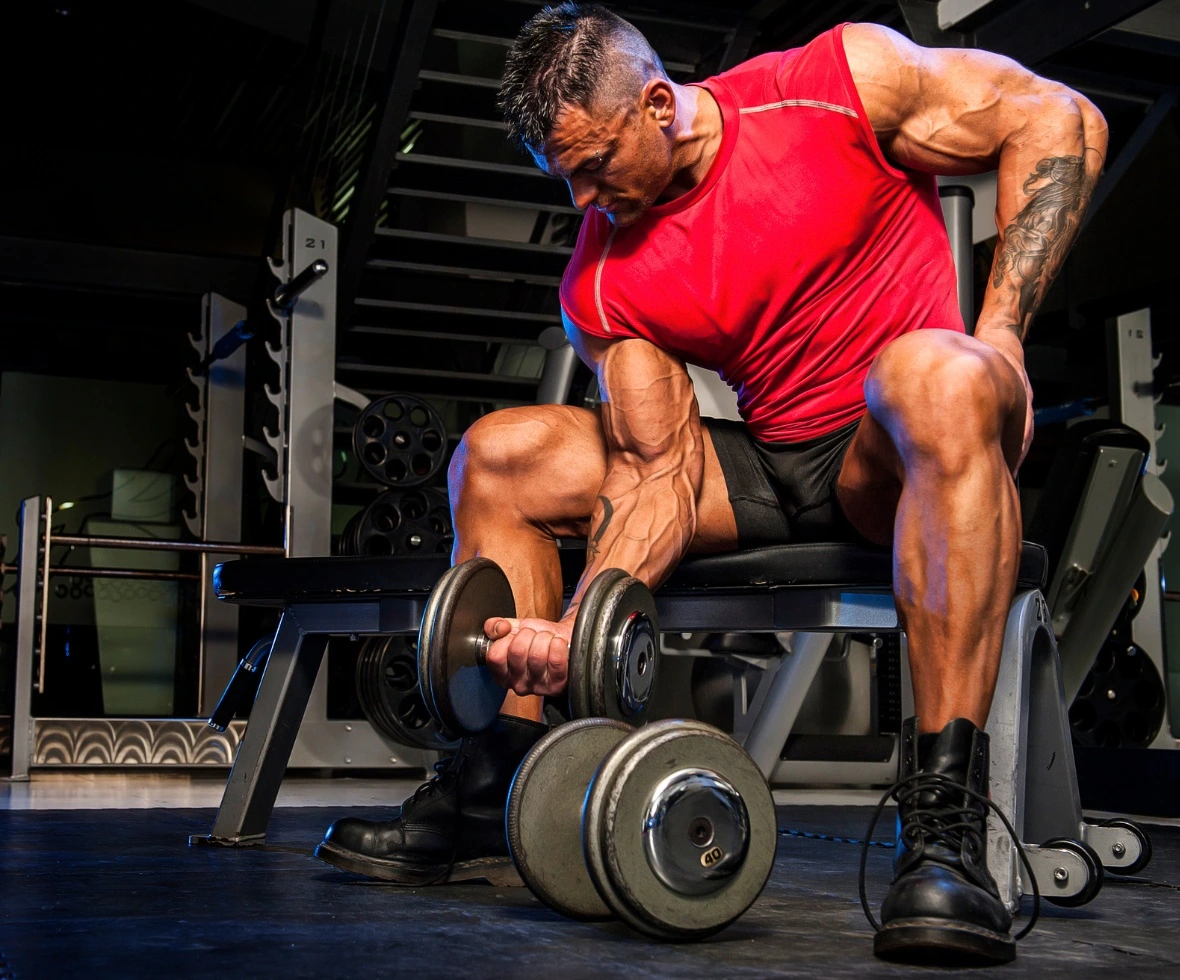
If youve ever walked out of the gym feeling like your muscles turned to concrete, youre not alone. That lingering soreness or stiffnessoften referred to as post-workout muscle tightnesscan hinder your recovery and make even everyday movements feel uncomfortable. Fortunately, physiotherapy offers effective, science-backed solutions to help reduce tightness, restore movement, and prevent future injuries.
Whether you’re a weekend warrior, a fitness enthusiast, or an elite athlete, understanding the role of physiotherapy in muscle recovery is crucial. At YourFormSux (YFS), we specialize in helping Canadians get back to peak performance through personalized, evidence-based care.
Why Do Muscles Feel Tight After a Workout?
Post-exercise muscle tightness is usually caused by delayed onset muscle soreness (DOMS). It typically kicks in 12 to 48 hours after intense or unfamiliar activity. As your muscles adapt to new demands, microscopic tears occur in the muscle fibers. While this is a natural part of muscle growth and strengthening, it can leave you feeling stiff and uncomfortable.
Other factors like poor warm-up routines, inadequate stretching, overtraining, and dehydration can also increase the chances of post-workout tightness.
Physiotherapy: More Than Just Injury Rehab
Many people mistakenly associate physiotherapy only with rehabilitation after injury. In reality, physiotherapy plays a proactive role in preventing injuries, improving performance, and enhancing recovery. Physiotherapists use a range of techniques to target the root causes of tightness and facilitate muscle relaxation and repair.
1. Manual Therapy for Muscle Release
One of the first lines of defense against post-workout tightness is manual therapy. This includes techniques such as soft tissue mobilization, myofascial release, and trigger point therapy. By working directly on the affected muscles, your physiotherapist can break down adhesions, increase blood flow, and restore optimal muscle length.
Manual therapy is especially effective for tight hamstrings, quads, calves, and shoulder musclesareas commonly affected by intense exercise.
2. Guided Stretching and Mobility Work
When youre feeling sore, the last thing you might want to do is stretch. But targeted, physiotherapist-led stretching can make a significant difference. By tailoring stretches to your bodys needs, a physiotherapist ensures youre not just going through the motions, but actually improving muscle elasticity and joint mobility.
Stretching also helps activate the parasympathetic nervous system, which encourages your body to shift from a “fight or flight” mode to a “rest and recover” state.
3. Personalized Exercise Programming
Every persons body responds differently to exercise. A customized recovery plan created by your physiotherapist can help you avoid recurring tightness. This might include low-impact exercises, foam rolling routines, or dynamic mobility drills that suit your fitness level and goals.
The goal is to strike a balance between recovery and performancekeeping you active without compromising your muscles healing process.
4. Dry Needling and Modalities
In cases where muscle tightness is severe or chronic, techniques like dry needling or electrical stimulation (TENS, EMS) may be used. These methods help release deep trigger points and stimulate healing. While not always necessary, they can be incredibly effective in complementing manual therapy and exercise-based rehabilitation.
Physiotherapists at YFS are trained in evidence-based therapeutic modalities, ensuring you get the safest and most effective care possible.
5. Education and Self-Management
One of the most powerful tools a physiotherapist offers is education. Understanding your body, how it moves, and what contributes to tightness allows you to take control of your recovery. You’ll learn proper posture, correct form for stretching, hydration techniques, and how to use tools like foam rollers or massage balls correctly.
This knowledge empowers you to take a proactive role in preventing post-workout muscle tightness in the long run.
When Should You See a Physiotherapist?
Mild muscle soreness is expected after an intense workout, but if tightness persists for more than 72 hours, limits your range of motion, or is accompanied by swelling or sharp pain, its time to consult a professional. Persistent tightness could be a sign of muscle strain, joint dysfunction, or biomechanical imbalance.
At YFS, our approach is comprehensive. We dont just treat the symptomwe investigate and treat the underlying cause so that your muscle tightness doesn’t become a recurring issue.
Benefits of Physiotherapy for Muscle Tightness
Heres what you can expect when you incorporate physiotherapy into your post-workout recovery:
Faster recovery from soreness and fatigue
Improved flexibility and range of motion
Reduced risk of injury or re-injury
Better muscle activation and coordination
Greater long-term performance gains
Whether youre training for your next big race or simply trying to stay active and mobile, physiotherapy helps you feel and perform your bestwithout letting tightness hold you back.
Choose YFS for Expert Muscle Recovery Solutions
At YourFormSux (YFS), we understand how frustrating post-workout muscle tightness can be. Thats why we offer individualized physiotherapy services tailored to your body, lifestyle, and fitness goals. Our expert physiotherapists in Canada work with you to create a recovery plan that gets resultsso you can move, train, and live without discomfort.
Ready to say goodbye to muscle tightness and hello to fluid movement? Book your physiotherapy consultation with YFS today and experience the difference a targeted recovery plan can make.