1. Manual Therapy This hands-on approach is one of the cornerstones of physio for joint pain.

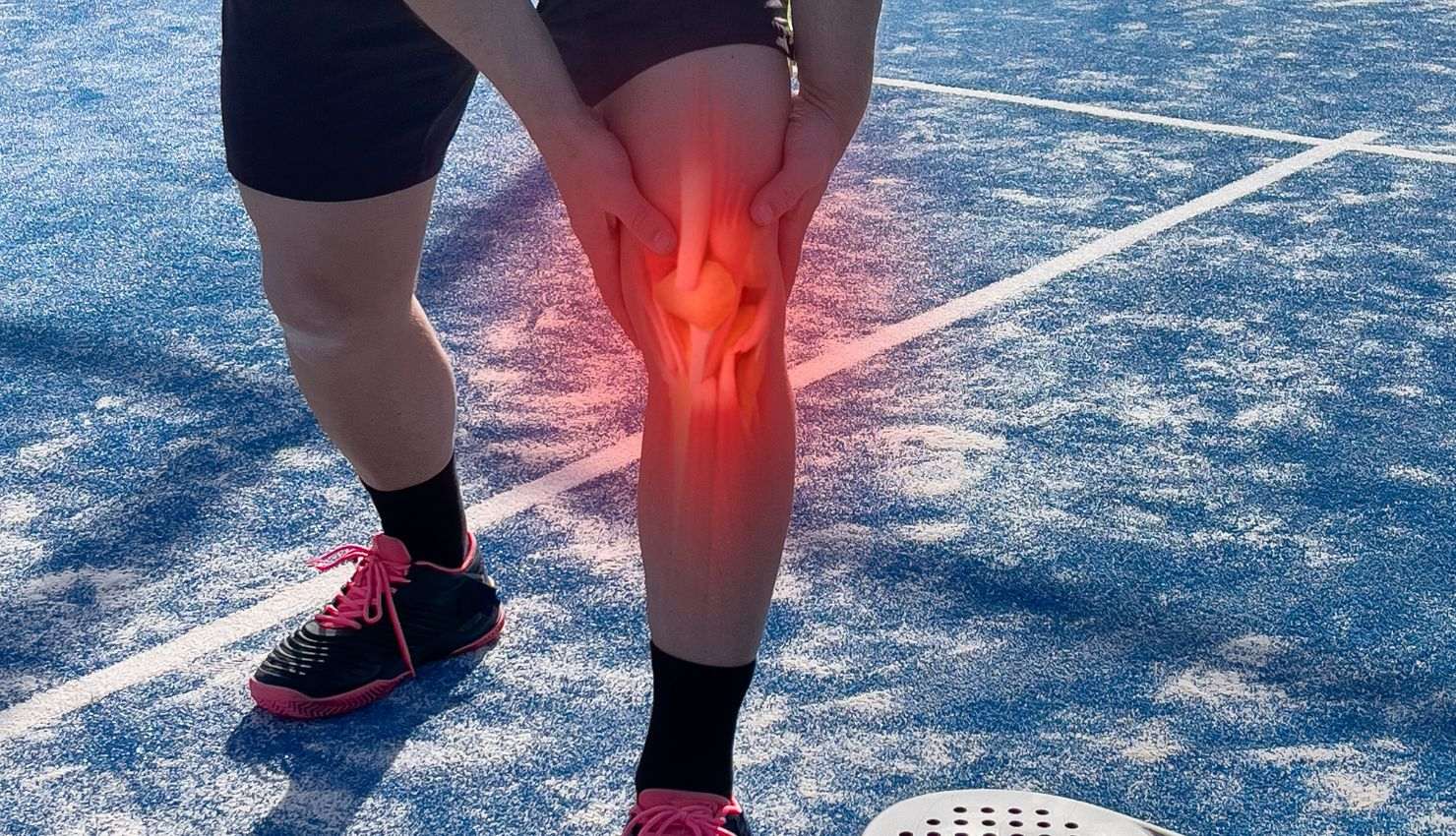
??? 1. Manual Therapy
This hands-on approach is one of the cornerstones of physio for joint pain. Its especially useful for:
Joint stiffness
Muscle tightness
Pain during movement
Techniques include:
Soft tissue massage: Eases muscle tension and improves circulation
Joint mobilization: Gently moves the joint to improve flexibility and alignment
Myofascial release: Targets connective tissue restrictions around the hip or knee
Trigger point therapy: Relieves deep muscle knots that refer pain to surrounding areas
These techniques reduce pain, restore movement, and prepare the area for exercise.
?? 2. Stretching and Flexibility Training
Tight muscles around the hips and knees often contribute to pain by altering joint mechanics. Physiotherapists prescribe targeted stretching to:
Improve flexibility in the hip flexors, hamstrings, quads, glutes, and calves
Reduce joint compression
Increase range of motion
Example stretches:
Hip flexor stretch (kneeling lunge)
Hamstring stretch (seated or lying down)
Glute stretch (figure-4 position)
Calf and quad stretches
Done regularly, stretching relieves tension and improves the way you move.
?? 3. Strengthening Exercises
One of the most important long-term strategies! Strong muscles help:
Offload stress from the joint
Improve stability and balance
Prevent future pain or injury
Common strengthening targets:
Glutes: Bridges, clamshells, hip thrusts
Quads: Wall sits, straight leg raises, mini squats
Hamstrings: Heel slides, resistance band curls
Core: Bird-dogs, planks, dead bugs
A physiotherapist ensures youre strengthening safely and progressively, based on your condition and goals.
????? 4. Postural and Gait Training
Poor posture, gait issues, or uneven movement patterns can cause extra wear and tear on the hips and knees. Physios will:
Analyze how you walk, sit, stand, and climb stairs
Help correct your alignment and foot placement
Recommend orthotics or footwear support if needed
Teach you joint-friendly movement strategies for daily tasks
Even small changes in how you move can make a big difference in how your joints feel.
? 5. Modalities for Pain Relief
To support comfort during rehab, physiotherapists may use:
TENS (Transcutaneous Electrical Nerve Stimulation): Blocks pain signals
Heat therapy: Relaxes muscles and increases circulation
Cold therapy: Reduces inflammation after activity
Ultrasound therapy: Promotes tissue healing and reduces stiffness
Kinesiology taping: Supports joint alignment and reduces muscle strain
These are often used early in the rehab process or during flare-ups.
?? 6. Functional Re-Training
Once pain decreases and strength improves, your physio will guide you through real-life movements to ensure your body:
Moves efficiently and pain-free
Is ready to handle stairs, squats, lifting, or getting out of a chair
Can return to work, exercise, or sports with confidence
This phase is all about building resilience and preventing future issues.
?? How Long Until You Feel Better?
With consistent physio:
Mild cases may feel relief within 24 weeks
Moderate to chronic pain may take 612 weeks
Post-surgical or advanced arthritis cases may require ongoing care and maintenance
Your physio will adjust the plan based on your progress and comfort level.
? Final Takeaway
Physiotherapy offers a comprehensive, proven approach to managing knee and hip pain. With the right combination of hands-on treatment, mobility work, strengthening, and movement retraining, physios help you:
Relieve pain
Move better
Prevent future problems
No matter your age, activity level, or diagnosis, you can improveand physiotherapy will guide the way.