Muscle pain whether it creeps in after a workout, flares up from stress, or lingers after an injury can make even simple tasks feel uncomfortable. That dull ache in your shoulders, tightness in your calves, or burning in your lower back isnt just annoying its your body asking for support.

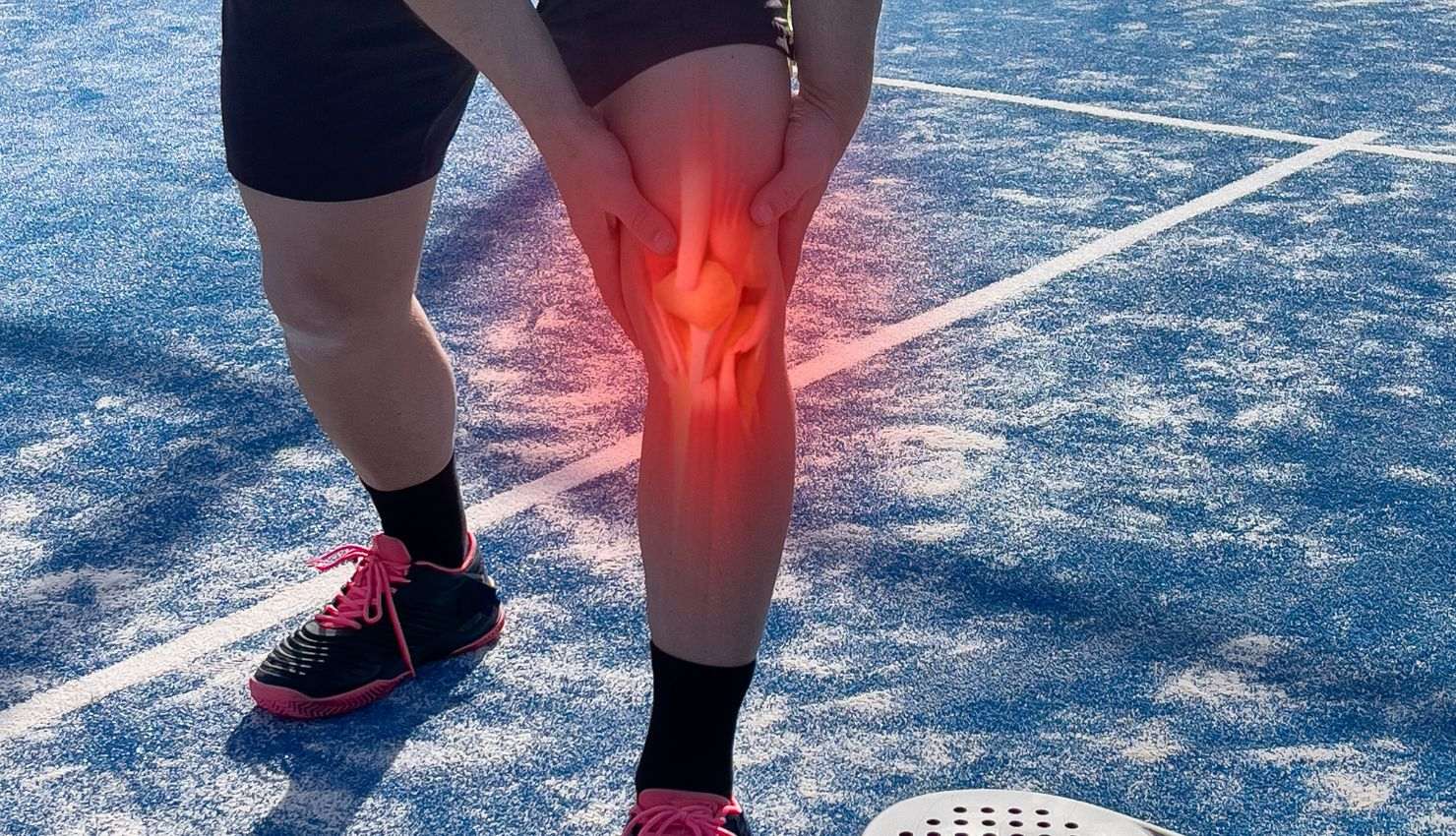
Muscle pain whether it creeps in after a workout, flares up from stress, or lingers after an injury can make even simple tasks feel uncomfortable. That dull ache in your shoulders, tightness in your calves, or burning in your lower back isnt just annoying its your body asking for support.
Fortunately, physiotherapy offers a wide range of hands-on techniques and therapeutic strategies designed to ease muscle pain, improve mobility, and help your body heal. Lets take a look at how physios do it and why it works.
?? First, What Causes Muscle Pain?
Muscle pain can have many causes, including:
Overuse or strain (after exercise or repetitive movement)
Injuries like sprains or soft tissue trauma
Poor posture or muscle imbalances
Chronic stress or tension
Underlying conditions like fibromyalgia or arthritis
Whether its acute or chronic, localized or widespread, muscle pain often comes from tightness, inflammation, or imbalances in the bodys movement patterns and physiotherapy is uniquely equipped to tackle those issues.
?? Top Physiotherapy Techniques for Muscle Pain Relief
1?? Manual Therapy (Hands-On Treatment)
One of the most effective and immediate ways to relieve muscle pain is through manual therapy, where your physiotherapist uses skilled hands-on techniques to release tension, reduce stiffness, and promote healing.
Manual therapy may include:
Soft tissue massage targets knots and tight areas
Trigger point therapy releases those hot spots that refer pain to other areas
Myofascial release loosens the fascia (connective tissue) around muscles
Joint mobilizations gently improves joint function and reduces pressure on surrounding muscles
These techniques increase blood flow, reduce inflammation, and restore muscle flexibility.
2?? Therapeutic Exercise and Stretching
Movement is medicine but the right movement is key. Physiotherapists guide you through customized exercises and stretches to:
Ease muscle tightness
Restore range of motion
Correct movement imbalances
Rebuild strength in weak or overworked muscles
Youll learn how to stretch safely, strengthen strategically, and move in ways that reduce your pain instead of triggering it.
3?? Dry Needling
This advanced technique uses very thin needles inserted into tight or painful muscle tissue (trigger points) to:
Release muscle knots
Reduce nerve sensitivity
Improve blood flow and healing
Dry needling can be especially effective for deep-seated muscle tension or chronic pain that hasnt responded to stretching or massage alone.
(Dont worry its much more comfortable than it sounds, and many patients find it surprisingly relieving.)
4?? TENS (Transcutaneous Electrical Nerve Stimulation)
TENS is a pain-relief technique where small electrical currents are delivered to the skin over painful areas. It works by:
Blocking pain signals from reaching the brain
Stimulating the release of natural pain-relieving chemicals (endorphins)
Its a gentle, drug-free option thats often used during physio sessions and can even be used at home with guidance.
5?? Heat and Cold Therapy
Sometimes simple tools make a big difference. Physiotherapists often use:
Heat to relax tight muscles, improve circulation, and prep muscles before stretching
Cold therapy (ice packs or cold compresses) to reduce inflammation and numb pain after activity
Your physio will show you when and how to use each one for the best results.
6?? Ultrasound Therapy
This uses sound waves to penetrate deep into muscle tissue, creating a gentle warming effect that:
Increases circulation
Promotes healing
Reduces pain in stiff or inflamed muscles
Its commonly used for chronic muscle pain, tendon issues, and joint stiffness.
7?? Postural and Ergonomic Advice
Sometimes muscle pain lingers not because of an injury but because of how we sit, stand, sleep, or move throughout the day. Your physiotherapist can assess your posture and habits and suggest:
Workplace ergonomic adjustments
Sleeping positions
Safe lifting and movement techniques
Daily posture correction exercises
These changes may seem small, but they can significantly reduce muscle stress and pain long-term.
?? Dont Forget the Mind-Body Connection
Muscle pain is often tied to stress and tension. Thats why physiotherapy may also include breathing techniques, relaxation strategies, or mindfulness-based movement to help ease both physical and mental strain especially in chronic conditions like tension headaches or fibromyalgia.
In a Nutshell
Muscle pain doesnt have to be part of your new normal. Physiotherapists use a variety of effective, science-backed techniques to help:
? Relieve tension
? Restore mobility
? Rebuild strength
? Prevent future flare-ups
Whether your pain is recent or long-lasting, physiotherapy offers the right tools to help you feel better, move better, and live better.