Physiotherapy Tips for Managing Menstrual Cramps explores targeted strategies for recovery. Discover new paths to mobility, healing, and personalized care.

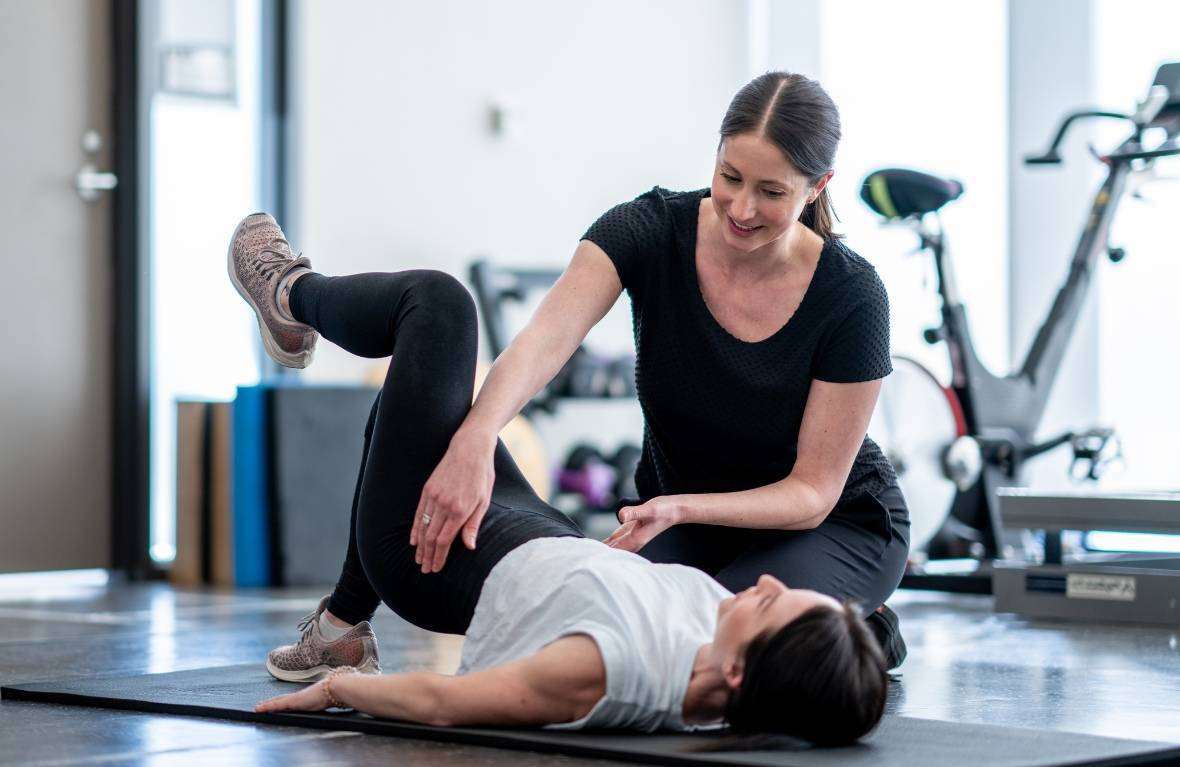
Menstrual cramps, or dysmenorrhea, are a common and often disruptive part of many womens monthly cycles. These cramps can range from mild discomfort to severe pain that interferes with daily life. While medication is a common approach, physiotherapy offers natural, effective strategies to help manage and reduce menstrual cramps, improving comfort and quality of life.
At YourFormsUX, we want to help women across Canada discover how physiotherapy can be a game-changer when it comes to managing menstrual pain and supporting overall hormonal health.
What Causes Menstrual Cramps?
Menstrual cramps are caused by uterine contractions triggered by hormone-like substances called prostaglandins. These contractions help shed the uterine lining but can also cause pain and inflammation. Factors like stress, poor posture, muscle tension, and lack of physical activity can worsen cramps.
How Physiotherapy Helps Relieve Menstrual Cramps
Physiotherapy focuses on addressing the physical contributors to menstrual pain and promoting relaxation and blood flow. Here are some ways physiotherapy can help:
Targeted Exercise
Gentle aerobic activities, stretching, and strengthening exercises increase blood circulation and reduce muscle tension, helping ease cramping.
Manual Therapy
Techniques like massage and myofascial release relax tight muscles in the lower back, pelvis, and abdomen, reducing pain intensity.
Postural Correction
Poor posture can increase pelvic pressure and muscle strain. Physiotherapists help improve posture to relieve undue stress on pelvic structures.
Breathing and Relaxation Techniques
Learning diaphragmatic breathing and relaxation exercises helps reduce stress and muscle tightness, lowering the severity of cramps.
Heat Therapy Guidance
Using heat safely on the lower abdomen or back can relax muscles and improve blood flowphysiotherapists can advise on the best approaches.
Practical Physiotherapy Tips for Managing Cramps
Stay Active: Light walking or swimming during your period can reduce pain and improve mood.
Incorporate Stretching: Focus on hip flexors, lower back, and abdominal stretches.
Practice Deep Breathing: Use breathing exercises to ease tension and promote relaxation.
Maintain Good Posture: Be mindful of your posture, especially when sitting or using devices.
Use Heat: Apply a warm compress to the lower abdomen as needed for relief.
When to Seek Physiotherapy Help
If menstrual cramps are severe, persistent, or worsening, physiotherapy can provide targeted assessment and treatment. Physiotherapists can develop personalized plans to address underlying issues and improve your comfort throughout your cycle.
Why Choose Physiotherapy for Menstrual Health?
Physiotherapy offers a holistic, drug-free approach that empowers you to manage menstrual pain naturally. It also supports your overall pelvic health, improving quality of life beyond just your period.
At YourFormsUX, we connect women with experienced physiotherapists across Canada who specialize in menstrual and hormonal health, ensuring compassionate, expert care.
Final Thoughts
Menstrual cramps dont have to control your life. With the right physiotherapy support and lifestyle habits, you can reduce pain and embrace a more comfortable, active cycle.
If menstrual cramps are holding you back, consider consulting a physiotherapist for a personalized plan to help you manage symptoms and support your hormonal health naturally.