Muscle tightness after a workout isnt just commonits practically guaranteed if youve pushed your body even a little beyond its comfort zone. While some degree of post-exercise tightness is normal and even a sign that…

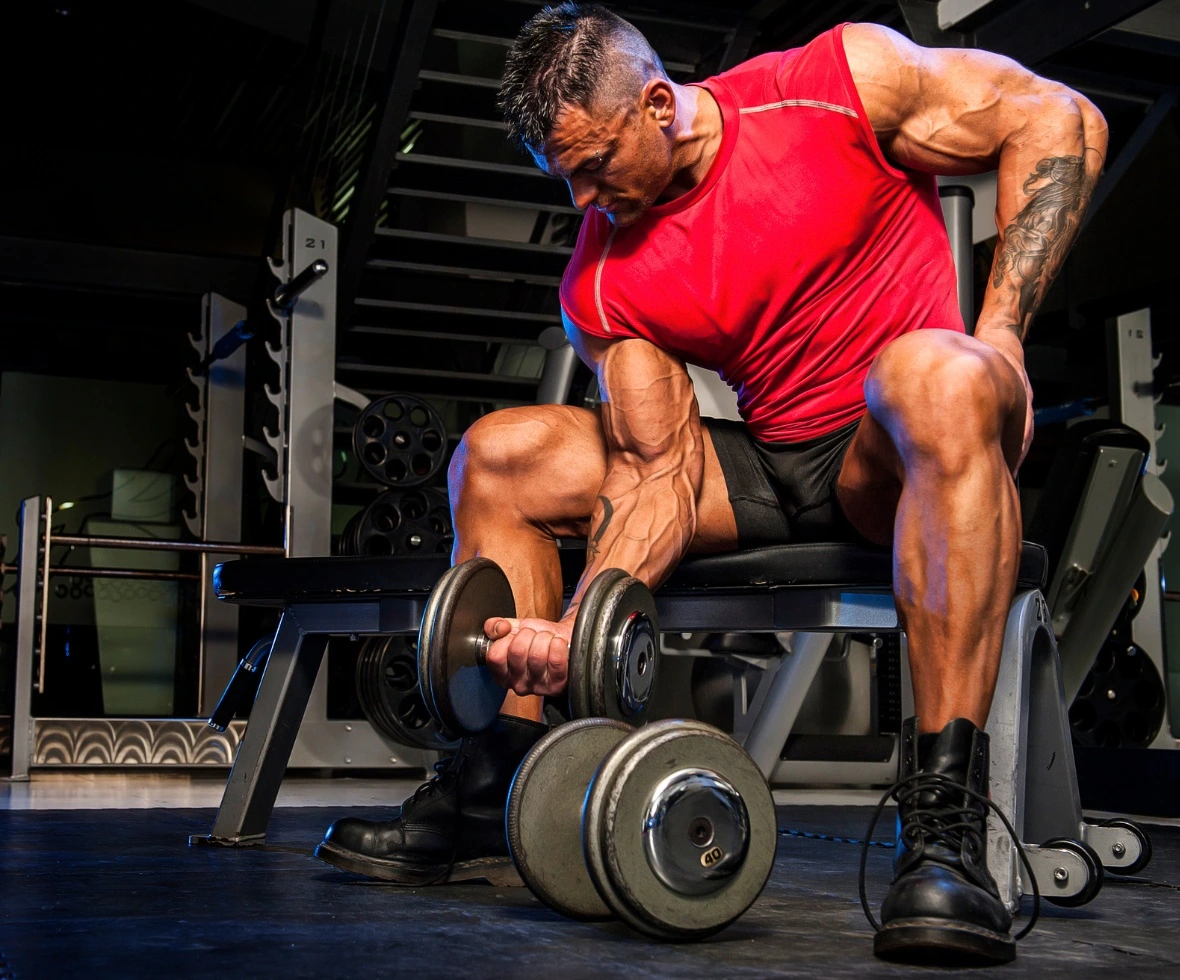
Muscle tightness after a workout isnt just commonits practically guaranteed if youve pushed your body even a little beyond its comfort zone. While some degree of post-exercise tightness is normal and even a sign that your muscles are rebuilding stronger, lingering stiffness can interfere with your progress, motivation, and even increase the risk of injury.
If youre someone who exercises regularlywhether youre lifting weights, jogging through your neighborhood, or attending group fitness classesunderstanding how to manage post-exercise muscle tightness is key. And when it comes to effective muscle recovery, physiotherapy plays a pivotal role. Lets explore proven physiotherapy tips for managing muscle tightness after exercise, with practical advice you can start applying today.
Why Do Muscles Feel Tight After Working Out?
Muscle tightness after exercise is largely due to delayed onset muscle soreness (DOMS), which typically sets in 12 to 24 hours after a workout. When you perform resistance training or any high-impact movement, you cause micro-tears in your muscle fibers. The repair of these fibers is what leads to muscle growth, but the inflammation during this process causes soreness and tightness.
Other contributing factors include dehydration, poor flexibility, lack of a proper warm-up or cool-down routine, and even nutritional deficiencies. Thats where physiotherapy techniques come intheyre not just for injury rehabilitation but also an excellent way to enhance post-workout recovery.
1. Start With Gentle Stretching
One of the most effective ways to relieve tight muscles is through targeted static and dynamic stretching. After a workout, your muscles are warm, making it the ideal time to introduce static stretches that lengthen and release tension in the muscle fibers.
Incorporate stretching into your post-exercise routine, holding each stretch for 20 to 30 seconds. Focus on major muscle groups such as the hamstrings, calves, quads, and shoulders. If youve done a particularly tough workout, consider revisiting these stretches a few hours later to keep muscles limber.
SEO Tip: post-workout stretching for tight muscles, how to stretch after exercise
2. Try Foam Rolling (Self-Myofascial Release)
Foam rolling is a simple and affordable way to implement self-myofascial release therapy, a technique physiotherapists often recommend to reduce muscle adhesions and increase blood flow. When done correctly, foam rolling can significantly reduce the severity and duration of muscle tightness.
Apply gentle pressure using a foam roller on tight muscle groups, rolling slowly for 3060 seconds. This helps loosen up the fascia (the connective tissue surrounding muscles) and speeds up recovery. If foam rolling feels too intense, consult with a physiotherapist for personalized guidance.
SEO Tip: foam rolling tips for sore muscles, physiotherapy-approved foam rolling techniques
3. Incorporate Active Recovery Sessions
Instead of taking a complete rest day, consider integrating active recovery exercises such as light walking, yoga, or swimming. These low-intensity movements improve circulation, aid in the removal of metabolic waste, and reduce post-exercise stiffness.
Physiotherapists often encourage active recovery as part of a balanced fitness program because it helps maintain joint mobility and flexibility while also giving sore muscles a break from high-intensity demand.
SEO Tip: best active recovery workouts, physiotherapy for post-workout recovery
4. Hydrate and Fuel Your Muscles
Muscle tightness isnt only caused by physical strainit can also stem from dehydration or inadequate nutrition. Muscles require proper hydration and a steady supply of nutrients to repair themselves efficiently.
After your workout, focus on replenishing fluids lost through sweat and consuming foods rich in protein, electrolytes, and anti-inflammatory nutrients. A certified physiotherapist may also suggest supplements such as magnesium to support muscle relaxation and repair.
SEO Tip: hydration for muscle recovery, foods to reduce muscle tightness after exercise
5. Use Heat and Cold Therapy Wisely
Applying heat therapy (like a warm towel or heating pad) can soothe muscle tightness by improving blood circulation and relaxing stiff areas. Alternatively, cold therapy (such as an ice pack) can reduce inflammation and numb soreness, especially in the first 24 hours post-workout.
Physiotherapists often use a combination of both techniques depending on the individuals muscle condition. Consult with a professional to determine which therapy is best suited for your recovery needs.
SEO Tip: hot vs cold therapy for sore muscles, how to relieve tight muscles with physiotherapy
6. Book a Professional Physiotherapy Assessment
If muscle tightness becomes chronic or starts affecting your range of motion, it might be time to book a physiotherapy assessment. A licensed physiotherapist can identify muscle imbalances, improper movement patterns, or underlying issues that are contributing to recurring tightness.
At YourFormSux (YFS) Canada, we believe physiotherapy is not just for injury treatmentits an essential part of your health and wellness strategy. Our specialists take a holistic approach to your recovery, combining manual therapy, guided stretching, soft tissue techniques, and exercise education to ensure long-term relief and improved performance.
SEO Tip: physiotherapy in Canada for muscle soreness, book physiotherapy for post-exercise recovery
7. Dont Skip Your Cool-Down Routine
A proper cool-down routine is just as important as your warm-up. Gentle stretching, deep breathing, and mobility exercises done immediately after exercise can help your heart rate return to normal while preventing blood pooling in your muscles. This habit not only supports faster recovery but also improves flexibility over time.
Make it a non-negotiable part of your workout scheduleits a small investment that pays off in reduced soreness and better movement.
SEO Tip: cool down exercises for tight muscles, preventing muscle stiffness after workouts
Final Thoughts: Take Your Muscle Recovery Seriously
Managing muscle tightness after a workout is not just about feeling betterit’s about performing better, avoiding injury, and sustaining a long-term fitness routine. Whether youre an athlete, a weekend warrior, or someone just starting a new workout habit, physiotherapy offers safe, science-backed solutions for muscle recovery.
At YFS, were here to support your wellness goals. If youre in Canada and dealing with persistent muscle tightness or post-workout discomfort, book a session with one of our certified physiotherapists. Lets work together to keep your body moving, strong, and pain-free.
Keywords integrated: physiotherapy for muscle tightness, post-workout recovery tips, how to relieve sore muscles, muscle stiffness after exercise, physiotherapy in Canada, active recovery strategies, foam rolling for muscle pain, hot and cold therapy for recovery, stretch routines for tight muscles