Pregnancy is an exciting and transformative experience, but it often comes with physical challenges, including back pain, pelvic discomfort, and muscle aches. As the body changes to accommodate a growing baby, it can place extra stress on the joints, muscles, and ligaments, leading to pain and discomfort.

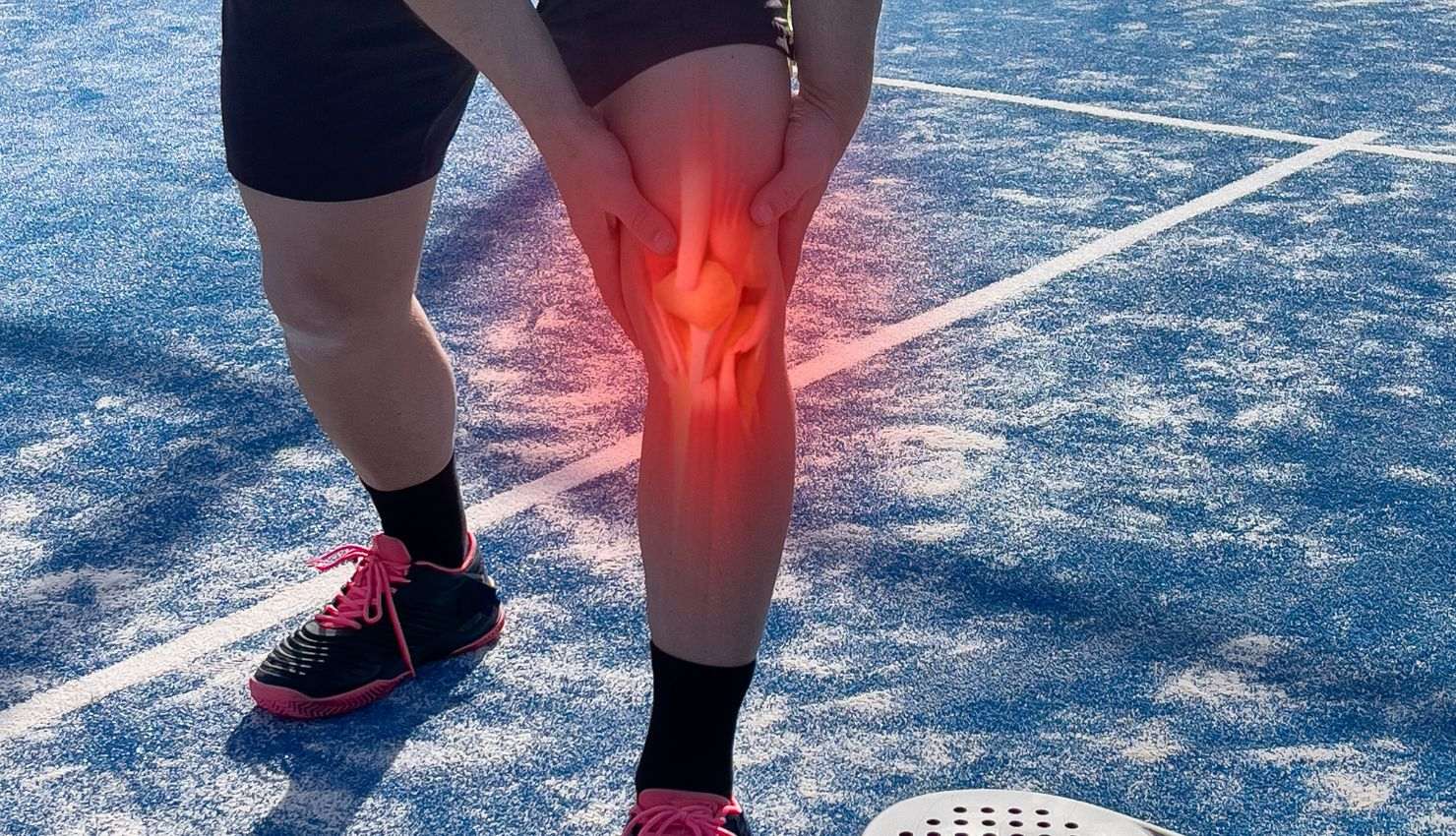
Pregnancy is an exciting and transformative experience, but it often comes with physical challenges, including back pain, pelvic discomfort, and muscle aches. As the body changes to accommodate a growing baby, it can place extra stress on the joints, muscles, and ligaments, leading to pain and discomfort. Physiotherapy can play a key role in preventing and managing pregnancy-related pain, helping to keep you comfortable, mobile, and strong during this time.
Here are some physiotherapy tips for preventing pain during pregnancy:
### **1. Maintain Good Posture**
As your body changes during pregnancy, your center of gravity shifts, which can lead to poor posture and muscle strain. Maintaining proper posture can help alleviate pressure on your back, neck, and pelvis, reducing the risk of pain.
#### **How to Improve Posture During Pregnancy:**
* **Stand Tall**: Keep your shoulders back, and avoid arching your lower back. Imagine a string pulling you upward from the top of your head to maintain a neutral spine.
* **Sit Properly**: When sitting, ensure that your feet are flat on the floor, your knees are at a 90-degree angle, and your lower back is supported. Use a small cushion or pillow for lumbar support if necessary.
* **Avoid Forward Head Posture**: As your belly grows, its common to lean forward to compensate. This can strain your neck and upper back. Try to keep your head in line with your spine.
Good posture will prevent unnecessary strain on your back, hips, and pelvis, reducing discomfort throughout your pregnancy.
—
### **2. Strengthen the Core and Pelvic Floor Muscles**
The muscles of the core and pelvic floor play a significant role in supporting your spine, pelvis, and baby. Strengthening these muscles can prevent back pain, improve posture, and reduce pelvic discomfort.
#### **Core Strengthening Exercises for Pregnancy:**
* **Pelvic Tilts**: Standing with your back against a wall, gently tilt your pelvis forward and backward to activate your lower back and abdominal muscles. This helps strengthen the muscles that support your spine.
* **Cat-Cow Stretch**: On your hands and knees, alternate between arching your back (cow) and rounding it (cat). This stretch strengthens and mobilizes the lower back and pelvis.
* **Seated Pelvic Floor Contractions**: Sit upright and gently contract your pelvic floor muscles (as if stopping the flow of urine), hold for a few seconds, and release. Repeat several times to build pelvic floor strength.
Strong core and pelvic floor muscles provide better support for your growing baby and help prevent lower back pain and pelvic discomfort.
—
### **3. Avoid Overexertion and Take Breaks**
As your pregnancy progresses, your body may become more fatigued, and overexertion can lead to pain and discomfort. Its essential to listen to your body and take frequent breaks throughout the day.
#### **Tips for Avoiding Overexertion:**
* **Take Frequent Breaks**: If youre standing or sitting for long periods, make sure to take breaks to rest and stretch. This will help reduce the strain on your muscles and joints.
* **Avoid Heavy Lifting**: As your body changes, your joints become more vulnerable. Avoid lifting heavy objects, as this can strain your back and pelvis. If you must lift something, use proper body mechanics by bending your knees and keeping your back straight.
* **Pace Yourself**: If youre exercising or doing physical activity, avoid overdoing it. Gradually increase your intensity, and stop if you experience any discomfort or pain.
Pacing yourself throughout the day helps you avoid overstraining your body and reduces the risk of developing pain.
—
### **4. Stretch Regularly**
Regular stretching is essential to maintaining flexibility and preventing muscle tension during pregnancy. Stretching can help relieve tightness in the back, hips, legs, and neck, all of which can contribute to discomfort.
#### **Recommended Pregnancy Stretches:**
* **Hip Flexor Stretch**: Stand with one foot in front of the other, bend your front knee, and gently press your hips forward to stretch the hip flexors. This is particularly helpful for relieving tightness in the lower back and hips.
* **Lower Back Stretch**: Sit on a chair, and slowly reach forward, allowing your upper body to relax over your legs. This stretches the lower back and can relieve tension from a growing belly.
* **Side-Lying Quad Stretch**: Lie on your side, gently pull your top foot toward your bottom, and hold for a stretch in your quadriceps. This helps release tension in the thighs and hips.
Incorporating these stretches into your daily routine can help relieve tension and prevent pain, especially in the lower back and hips.
—
### **5. Strengthen the Glutes and Hips**
Weak glutes and hip muscles can contribute to pelvic pain and lower back discomfort. Strengthening these muscles helps stabilize the pelvis, supporting your spine and preventing pain during pregnancy.
#### **Glute and Hip Strengthening Exercises:**
* **Bridges**: Lie on your back with your knees bent and feet flat on the floor. Lift your hips off the ground while squeezing your glutes. This exercise strengthens the glutes and lower back muscles.
* **Side-Lying Leg Lifts**: Lie on your side with your legs stacked, and slowly lift your top leg upward, keeping your knee straight. This strengthens the hip abductors and glutes.
* **Squats**: Stand with your feet shoulder-width apart and lower your body as if sitting in a chair, keeping your knees behind your toes. This strengthens the glutes, thighs, and hips, helping to support the pelvic area.
Stronger glutes and hips improve pelvic stability, reducing the risk of hip and lower back pain during pregnancy.
—
### **6. Use Supportive Devices**
Using supportive devices can provide relief from pain and discomfort. Many pregnant women benefit from the added support of items like maternity belts, pillows, or braces.
#### **Helpful Support Devices:**
* **Maternity Support Belt**: A maternity support belt can help relieve the pressure on the lower back and abdomen by supporting the growing belly. It can also help with pelvic pain and improve posture.
* **Pregnancy Pillows**: Using a pregnancy pillow while sleeping can help support your body and alleviate pressure on your hips, lower back, and pelvis. It encourages a more comfortable sleeping position, reducing strain on your joints.
* **Footwear**: Choose supportive, comfortable shoes with good arch support to reduce pressure on your feet and lower back. Avoid high heels, which can exacerbate poor posture and increase back pain.
These devices can reduce strain on your body and provide additional support as your pregnancy progresses.
—
### **7. Avoid Long Periods of Sitting or Standing**
Remaining in one position for long periods can contribute to pain and discomfort, especially in the lower back and legs. Whether youre sitting or standing for extended periods, its essential to change positions regularly.
#### **Tips for Reducing Pain from Sitting or Standing:**
* **Sitting**: Use a supportive chair with good lumbar support, and avoid slouching. Get up and walk around every 30 minutes to reduce pressure on your back and hips.
* **Standing**: If you must stand for long periods, use a footrest or elevate one foot on a low stool to reduce pressure on your back and pelvis. Shift your weight from one leg to the other to avoid muscle fatigue.
Changing positions regularly helps prevent stiffness and discomfort in your back, hips, and legs.
—
### **8. Focus on Relaxation and Stress Relief**
Stress and tension can exacerbate pain during pregnancy. Managing stress and practicing relaxation techniques can help you feel more comfortable and alleviate tension in the muscles.
#### **Stress-Relieving Techniques:**
* **Deep Breathing Exercises**: Practice deep breathing to relax the body and calm the mind. Deep breathing helps reduce stress and can alleviate tension in the back and neck muscles.
* **Prenatal Yoga or Meditation**: Prenatal yoga and meditation focus on relaxation, breathing, and gentle movement, helping reduce stress and promoting physical and emotional well-being.
* **Mindfulness**: Practicing mindfulness techniques can help you focus on the present moment, reducing anxiety and improving relaxation during pregnancy.
Relaxation and stress relief contribute to a sense of well-being and help alleviate muscle tension, reducing the risk of pain.
—
### **9. Stay Hydrated and Nourished**
Proper hydration and nutrition are essential for maintaining energy and supporting your body during pregnancy. Dehydration and poor nutrition can contribute to muscle cramps, joint pain, and fatigue.
#### **Hydration and Nutrition Tips:**
* **Stay Hydrated**: Drinking plenty of water helps keep muscles and joints lubricated and reduces the risk of cramps and stiffness.
* **Balanced Diet**: Ensure that youre consuming a balanced diet rich in vitamins, minerals, and protein to support muscle and bone health, which is crucial for preventing pain during pregnancy.
Proper hydration and nutrition keep your body functioning at its best and help prevent pain associated with dehydration or nutrient deficiencies.
—
### **Conclusion**
Physiotherapy offers effective strategies for preventing pain during pregnancy by focusing on posture, muscle strength, flexibility, and relaxation. With the right approach, you can manage discomfort and enjoy a healthier, more comfortable pregnancy. If you’re experiencing persistent pain, consider consulting a physiotherapist who specializes in prenatal care to develop a personalized plan tailored to your needs. By staying active, using support devices, and following these physiotherapy tips, you can reduce the likelihood of pain and discomfort during pregnancy and feel more comfortable throughout the journey.