For athletes, surgery can feel like hitting the brakes during a high-speed race. Whether it’s a torn ACL, rotator cuff repair, or Achilles tendon reconstruction, post-surgical recovery is a critical…

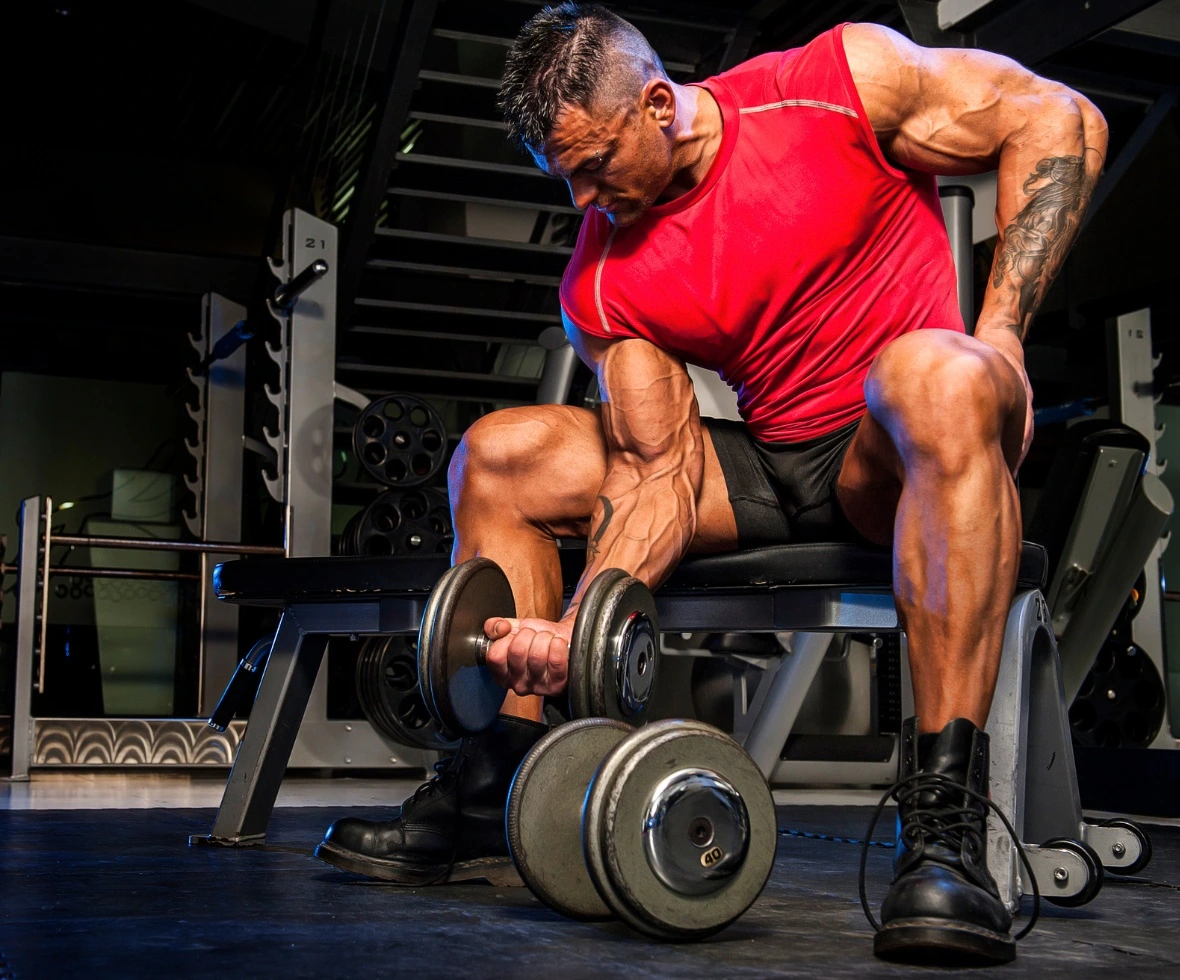
For athletes, surgery can feel like hitting the brakes during a high-speed race. Whether it’s a torn ACL, rotator cuff repair, or Achilles tendon reconstruction, post-surgical recovery is a critical phase in returning to peak performance. One key player in this recovery journey is physiotherapy. At YFS (Your Form Sux), we understand the demands athletes face and how essential structured, science-backed rehabilitation is for a successful comeback.
So, how exactly does physiotherapy support post-surgical recovery in athletes? And why should it be a non-negotiable part of every recovery plan? Let’s break it down.
Why Physiotherapy Matters After Surgery
The human body is a finely tuned machine, and for athletes, even a minor interruption can throw everything off. After surgery, the body needs to relearn how to move efficiently and safely. That’s where post-operative physiotherapy steps in.
Restoring Mobility and Flexibility
After surgery, joints and muscles can become stiff due to immobilization or scar tissue formation. Physiotherapists use targeted manual therapy techniques and stretching routines to gradually restore range of motion. For athletes, this is vital. If the body can’t move through its full range, performance suffers—and so does long-term joint health.
Rebuilding Strength and Endurance
Surgical recovery often means weeks—or even months—of reduced activity, leading to muscle weakness and decreased endurance. A customized athlete-focused physiotherapy program helps rebuild lost strength while also addressing imbalances that may have contributed to the injury in the first place. Strengthening doesn’t just focus on the injury site; it involves the whole kinetic chain.
Accelerating the Healing Process
Physiotherapy promotes faster healing by increasing blood flow to the injured area, reducing inflammation, and helping the body repair itself more efficiently. Techniques like soft tissue mobilization, electrotherapy, laser therapy, and therapeutic ultrasound are commonly used in our YFS clinic to support tissue healing and manage post-surgical pain.
Injury Prevention and Performance Optimization
One of the major advantages of physiotherapy after surgery is its role in preventing re-injury. Athletes often push their limits, and without proper rehab, they risk setbacks or new injuries due to compensation patterns or premature return to sport. Physiotherapists at YFS work with athletes to retrain movement, restore proper biomechanics, and ensure that every step forward is safe and sustainable.
Rehabilitation also involves sport-specific training, where the athlete gradually transitions from basic movements to complex drills that mimic their performance demands. This is where physiotherapy bridges the gap between recovery and return to play.
Mental Benefits of Physiotherapy in Recovery
Post-surgery recovery isn’t just physical—it’s mental too. The fear of reinjury or the frustration of limited mobility can be demoralizing. Regular sessions with a trusted physiotherapist offer guidance, reassurance, and a structured plan to follow. At YFS, we prioritize building relationships with our athletes, so they feel supported, understood, and confident during recovery.
A Customized Roadmap for Every Athlete
There is no one-size-fits-all solution in post-surgical rehab. Each sport places different demands on the body, and each athlete’s recovery timeline varies based on factors like age, fitness level, type of surgery, and goals. At YFS, we take a personalized approach to physiotherapy. Whether you’re a hockey player recovering from shoulder surgery or a long-distance runner bouncing back after a knee operation, our rehab plans are tailored to your needs and your sport.
We also incorporate progress tracking, functional movement assessments, and regular re-evaluations to adapt the plan as the athlete heals and strengthens.
Collaboration With Surgeons and Athletic Trainers
The best outcomes happen when physiotherapy is part of a collaborative healthcare team. At YFS, we coordinate closely with orthopedic surgeons, sports medicine doctors, and athletic trainers to align treatment goals and monitor recovery milestones. This multidisciplinary approach ensures that nothing is left to chance, and athletes receive consistent care throughout their rehabilitation journey.
When Should Physiotherapy Begin?
Physiotherapy typically begins as soon as the athlete is medically cleared, often within days after surgery. Early intervention—also known as pre-habilitation or early-stage post-operative physiotherapy—can significantly impact recovery timelines and results. During the initial phase, the focus is on pain control, gentle movement, and education.
As healing progresses, therapy intensifies with strength training, balance exercises, proprioception drills, and eventually return-to-sport conditioning.
Physiotherapy in Canada: Why Choose YFS?
If you’re searching for post-surgery rehabilitation for athletes in Canada, YFS is here to support you every step of the way. Our physiotherapists specialize in sports injury recovery, and our evidence-based approach ensures you’re not only healing but also becoming more resilient than ever before.
We’re not just treating your injury—we’re preparing you to perform at your best. With state-of-the-art equipment, personalized care plans, and a team that understands what it means to be an athlete, YFS is the trusted name for physiotherapy in Canada.
Final Thoughts
Surgery is just one part of the recovery equation. To fully bounce back and return stronger, physiotherapy must be at the heart of your rehabilitation plan. It’s about more than just healing—it’s about reclaiming strength, restoring confidence, and reigniting your athletic potential.
If you or someone you know is recovering from sports surgery, don’t wait. Get in touch with YFS today and take the first step toward a stronger, safer return to sport.