Post-Dance Performance Recovery explores targeted strategies for recovery. Discover new paths to mobility, healing, and personalized care.

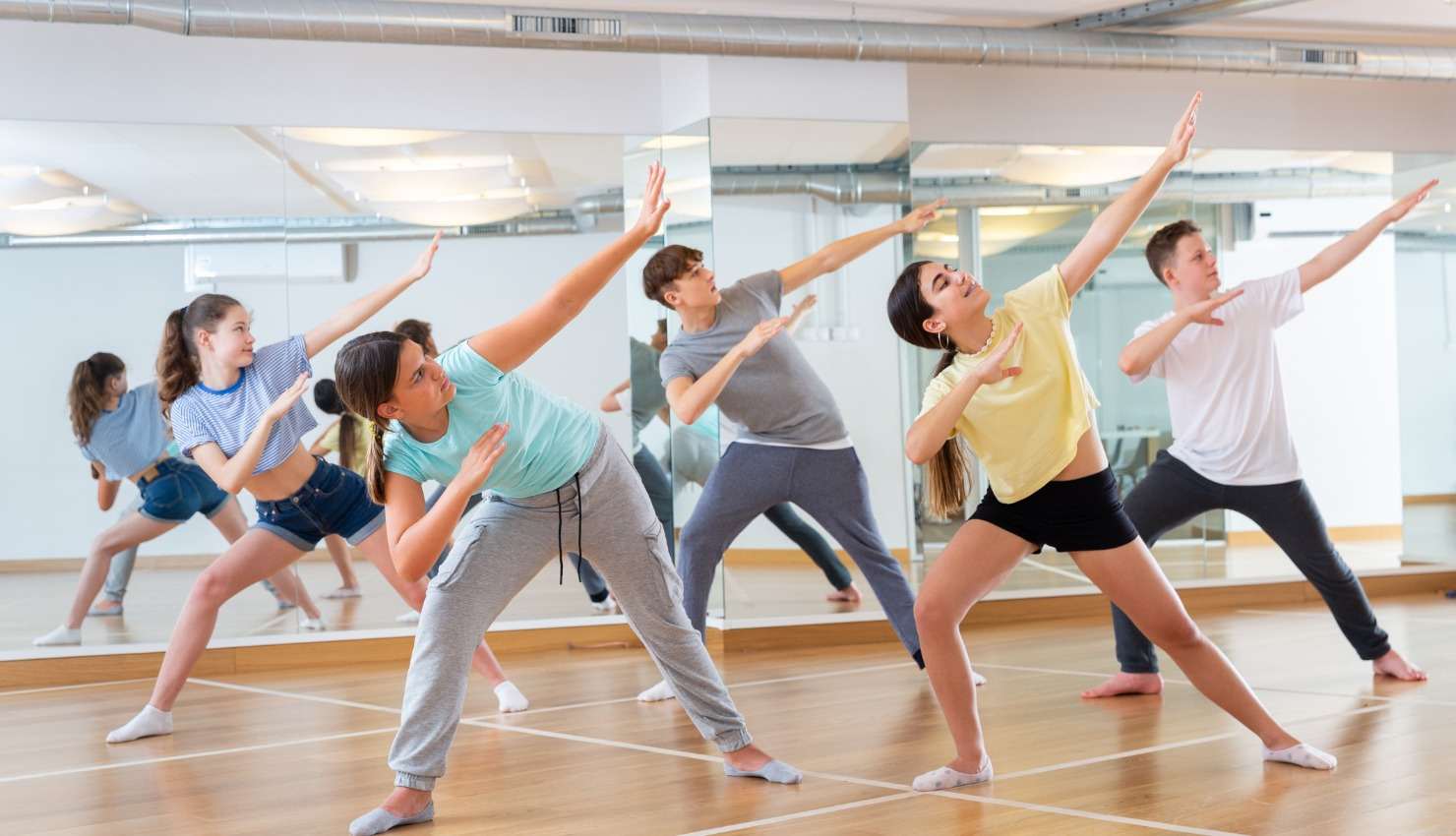
After a high-energy performance, it’s common for dancers to feel physically drained, sore, or stiff. While muscle pain is often a sign of hard work and exertion, without proper recovery, it can lead to fatigue, overuse injuries, or long-term strain. Thats where physiotherapy comes in offering evidence-based techniques to ease post-performance pain, speed up muscle recovery, and help dancers bounce back quickly and safely.
?? Why Muscle Pain Happens After Dancing
Muscle soreness, especially Delayed Onset Muscle Soreness (DOMS), typically appears 1248 hours after a performance. Causes include:
Microtears in muscle fibers from repetitive or intense movements
Inflammation from high-impact choreography (jumps, lifts, floor work)
Fatigue and lactic acid build-up due to prolonged dancing without rest
Commonly affected areas for dancers include:
Calves and hamstrings (from jumping and extensions)
Quads (from pliés and landing impact)
Lower back and shoulders (from partnering or turns)
Feet and ankles (from pointe work or barefoot movement)
?? How Physiotherapy Helps You Recover Faster
? 1. Active Recovery and Gentle Movement
Physiotherapists recommend light movement to stimulate blood flow, reduce stiffness, and flush out lactic acid. This might include:
Low-resistance cycling
Gentle stretching
Dynamic mobility drills
Targeted Pilates or yoga therapy
?? Rest doesnt mean total inactivity it means smart, guided recovery.
? 2. Manual Therapy Techniques
Hands-on treatments by physiotherapists help alleviate tightness and reduce post-performance soreness:
Soft tissue massage (relieves knots and enhances circulation)
Myofascial release (targets tension in connective tissues)
Trigger point therapy (reduces deep muscle aches)
Lymphatic drainage (minimizes swelling and speeds healing)
?? These methods support faster, deeper muscle relaxation.
? 3. Foam Rolling and Self-Myofascial Release
Physios teach dancers how to safely use:
Foam rollers
Massage balls
Percussion devices
This self-care practice helps:
Release muscle tension
Reduce tight fascia
Increase joint mobility
?? When done correctly, these tools mimic aspects of hands-on therapy.
? 4. Cold and Heat Therapy
Depending on the muscle condition, physiotherapists may use or recommend:
Ice therapy (to reduce inflammation and numb sore spots)
Heat packs (to improve blood flow and reduce stiffness)
Contrast therapy (alternating hot/cold to flush out toxins)
???? Tailored guidance ensures you’re using the right treatment at the right time.
? 5. Stretching and Mobility Programming
Post-performance flexibility work is vital to prevent long-term tightness. Physios design routines that:
Focus on dynamic mobility post-show, not aggressive static stretches
Target key dancer muscles like hip flexors, calves, hamstrings, and spine
Use breath-based movement to aid nervous system recovery
?? A flexible muscle is a happy muscle but only when stretched mindfully.
? 6. Education on Hydration, Sleep, and Nutrition
Recovery isn’t just physical its also physiological. Physios often offer recovery advice on:
Rehydration after sweating
Muscle-repairing nutrients (protein, magnesium, omega-3s)
Sleep cycles and how rest enhances tissue repair
???? Performance recovery starts backstage, but continues with what you eat, drink, and how you rest.
????? Sample Physiotherapy-Based Recovery Routine (Post-Performance)
Immediately after dancing (within 30 minutes):
Gentle walking or slow cycling (510 mins)
Light dynamic stretching (legs, hips, back)
13 hours later:
Foam rolling major muscle groups
Icing sore spots (1520 mins max)
Gentle mobility (hip circles, cat-cow, spinal twists)
Before bed:
Short stretching session
Hot compress for stiff areas
Deep breathing to calm the nervous system
?? Consistent post-performance care = faster return to rehearsals and reduced risk of injury.
?? What to Avoid After a Dance Performance
Skipping cool-downs
Pushing through pain or stiffness
Jumping into another full rehearsal too soon
Aggressively stretching sore muscles
Relying only on painkillers instead of proper recovery