Lets face itsurgery can be daunting. Whether its a joint replacement, a ligament repair, or even spinal surgery, theres one thing most people have in common after the procedure: post-operative pain.

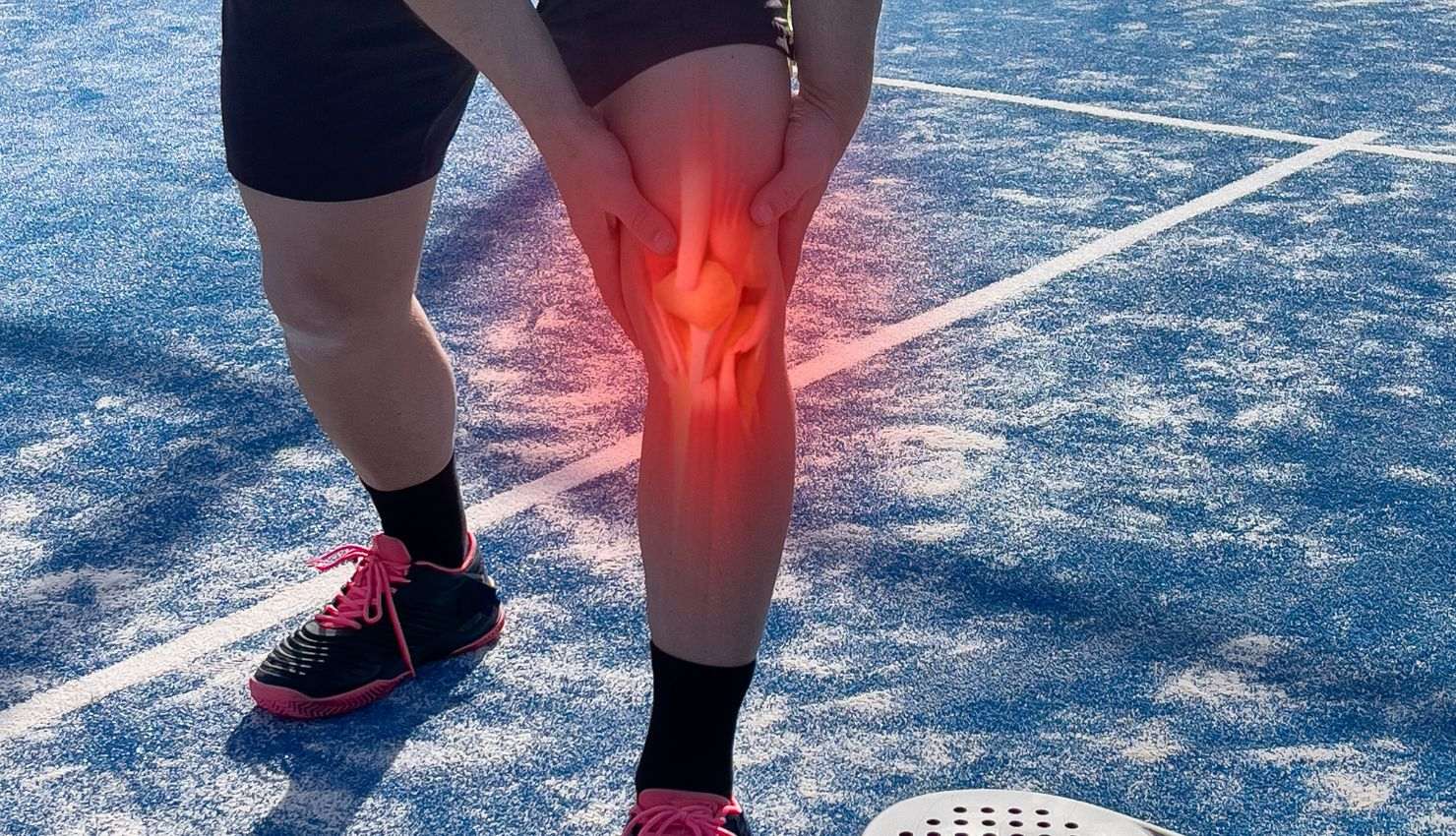
Lets face itsurgery can be daunting. Whether its a joint replacement, a ligament repair, or even spinal surgery, theres one thing most people have in common after the procedure: post-operative pain. But heres the good newsphysiotherapy is one of the most effective tools to manage that pain and get you back on your feet (sometimes quite literally) faster than you might think.
Why Is Pain After Surgery So Common?
When your body goes through surgery, its like a construction site. Tissues are disrupted, muscles may be cut or moved, and bones might be realigned. Naturally, this leads to inflammation, stiffness, and discomfort. Pain is the body’s way of saying, Hey, Im healingtake it easy!
But ignoring painor over-relying on medicationscan actually slow down your recovery. Thats where physiotherapy steps in as a game-changer.
How Physiotherapy Tackles Post-Operative Pain
1. Gentle Movement = Less Stiffness
One of the first things a physiotherapist will do is guide you through safe, gentle movements. While rest is important, too much rest can lead to stiffness and muscle weakening. Controlled movement helps keep your joints flexible and prevents complications like frozen shoulder or deep vein thrombosis (DVT).
2. Manual Therapy Techniques
Physios use hands-on techniques like soft tissue massage, joint mobilizations, and trigger point release. These aren’t just for relaxationthey actually help improve blood flow, reduce swelling, and release endorphins (your bodys natural painkillers).
3. Customized Exercise Programs
Post-op recovery isnt one-size-fits-all. A physiotherapist will create a plan tailored to your surgery, body, and goals. These exercises help strengthen supporting muscles, reduce pressure on the healing site, andyesrelieve pain.
4. Modalities That Soothe
Ever heard of TENS machines, ultrasound therapy, or cold laser treatments? These may sound high-tech (because they are), but theyre also incredibly effective for managing pain and speeding up recovery without medication.
5. Education & Confidence
Sometimes, just understanding whats happening in your body helps ease anxiety and pain. Physiotherapists explain what you can expect, how to move safely, and when to push forwardbuilding your confidence every step of the way.
What Kinds of Surgeries Benefit from Physiotherapy?
Honestly? Just about all of them. But here are some common ones where post-op physio makes a huge difference:
Orthopedic surgeries (hip/knee replacements, rotator cuff repairs, ACL reconstructions)
Spinal surgeries (laminectomy, discectomy, spinal fusion)
Abdominal surgeries (hernia repair, C-sections)
Cardiac surgeries (bypass, valve replacements)
Final Thoughts: Movement Is Medicine
Pain after surgery doesnt have to sideline you. With the right physiotherapy support, you can manage discomfort naturally, regain strength, and return to daily life with confidence and ease.
So if you or someone you love is heading for surgery, make sure a physiotherapist is part of the recovery team. Your body will thank you!