Post-Performance Physiotherapy explores targeted strategies for recovery. Discover new paths to mobility, healing, and personalized care.

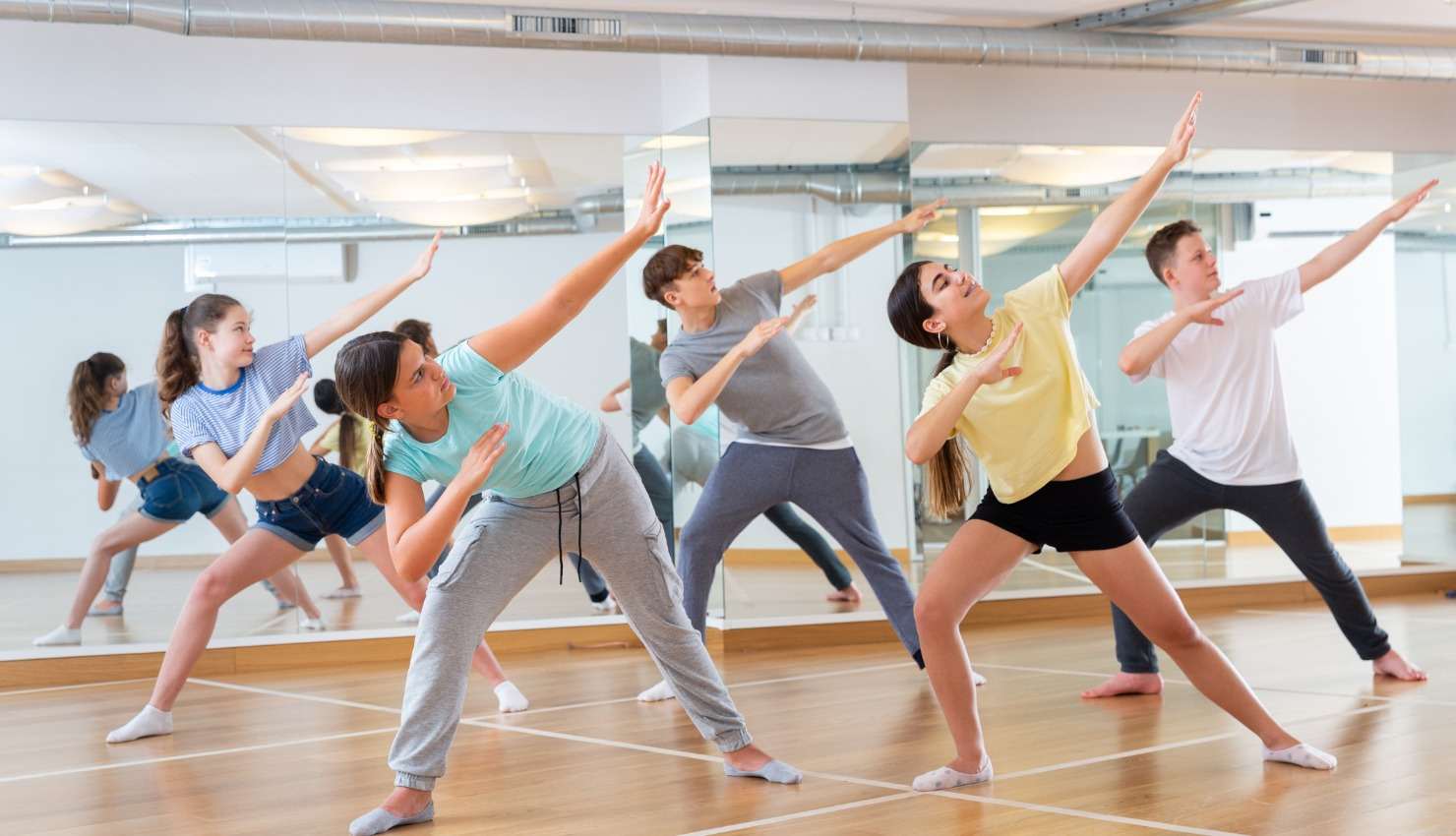
Post-Performance Physiotherapy: How to Relieve Tension and Pain
Why It Matters:
Performances push your body to its limits. Without proper recovery, tight muscles, joint strain, and minor injuries can quickly build up and lead to burnout or chronic pain. Physiotherapy helps reset the bodys balance, minimize discomfort, and support long-term physical health.
?? Top Physiotherapy Techniques for Post-Performance Recovery
1. ?? Manual Therapy (Hands-On Techniques)
Physiotherapists use gentle manual techniques to:
Release muscle tension and knots
Mobilize stiff joints
Improve blood flow and lymphatic drainage
Examples:
Soft tissue massage for sore quads or calves
Myofascial release to reduce fascia tightness
Joint mobilization for stiff hips or spines
?? Benefit: Relieves aches, restores mobility, and promotes relaxation.
2. ?? Guided Stretching and Mobility Work
Targeted stretches help lengthen muscles and prevent stiffness.
Your physio may guide:
Passive hamstring or calf stretches
Hip flexor or piriformis releases
Thoracic spine mobility drills
Bonus: Some physios use PNF (Proprioceptive Neuromuscular Facilitation) stretching to improve flexibility more effectively.
?? Benefit: Enhances recovery and resets movement patterns.
3. ?? Breathing and Relaxation Techniques
Performers hold tension in their neck, shoulders, jaw, and back especially after high-stress shows.
Physiotherapists may guide:
Diaphragmatic breathing
Progressive muscle relaxation
Postural reset positions (e.g., supine 90/90 breathing)
?? Benefit: Reduces nervous system overactivity and promotes full-body relaxation.
4. ?? Recovery Modalities (Ice, Heat, or TENS)
Physiotherapists may apply:
Ice therapy for inflammation or acute soreness (e.g., knees or ankles)
Heat therapy for muscle relaxation (e.g., back or hips)
TENS or electrical stimulation for pain relief and muscle reactivation
?? Benefit: Speeds up recovery and manages discomfort in specific areas.
5. ?? Postural Realignment
After hours of exaggerated or asymmetrical movement on stage, dancers often walk off with:
Hip or shoulder imbalances
Tight spinal segments
Muscle fatigue that disrupts posture
Physiotherapy can include:
Postural assessments
Core engagement retraining
Small corrections to re-balance your frame
?? Benefit: Restores neutral alignment and prevents lingering strain.
6. ?? Active Recovery Exercises
Gentle movement helps flush out lactic acid and reduce stiffness.
Examples your physio may recommend:
Light resistance band exercises
Pelvic bridges or cat-cow stretches
Foam rolling routines for quads, IT band, and lats
?? Tip: These should be pain-free and promote circulation, not fatigue.
7. ??? Recovery Planning and Monitoring
Physiotherapists help map out:
Rest days
Cross-training balance
Red flag monitoring (e.g., joint swelling, sharp pain)
?? Benefit: You avoid overuse injuries and stay stage-ready.
? Sample Post-Performance Physiotherapy Routine
Time Activity Purpose
010 min Deep breathing + gentle stretches Calm nervous system, reset posture
1025 min Manual therapy (massage, mobility work) Release tension and stiffness
2535 min Heat or TENS application Relieve pain, promote healing
3545 min Foam rolling + active recovery drills Boost circulation, reduce soreness
4560 min Physio check-in + recovery plan Monitor injuries and plan ahead