Post-Surgical Rehab for Hip and Knee Surgery explores targeted strategies for recovery. Discover new paths to mobility, healing, and personalized care.

Hip and knee surgeries are among the most common procedures requiring post-surgical rehabilitation. Whether youve had a total hip replacement, knee arthroscopy, or ligament repair, rehab plays a critical role in helping you regain strength, mobility, and function. A structured rehab program focused on targeted exercises is the key to a successful recovery and returning to an active lifestyle.
Why Hip and Knee Rehab is Essential
The hip and knee joints bear much of your body weight and are essential for everyday activities such as walking, climbing stairs, and standing. After surgery, these joints often experience stiffness, swelling, and muscle weakness, which can limit your ability to move comfortably and confidently.
Post-surgical rehab helps address these issues by gradually restoring range of motion and rebuilding the muscles that support these joints. Without proper rehab, theres a risk of reduced mobility, prolonged pain, and even re-injury.
Early Phase Exercises: Gentle and Controlled Movements
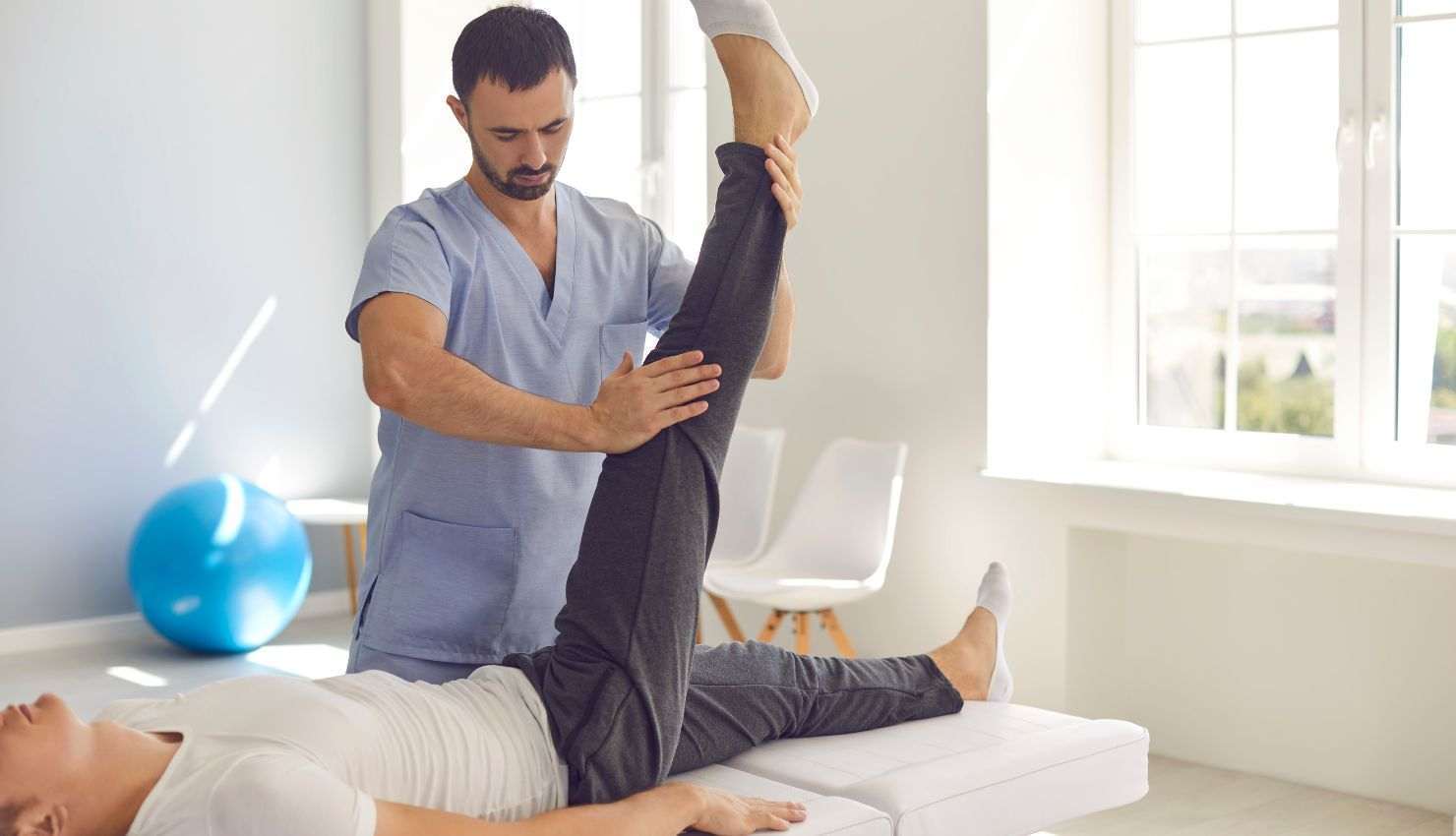
In the early days following hip or knee surgery, rehab focuses on gentle movements that protect the surgical site while preventing stiffness. These may include passive range-of-motion exercises, where a therapist or a supportive device helps move your joint gently to maintain flexibility.
Isometric exercises, which involve contracting muscles without moving the joint, are often introduced early to prevent muscle atrophy. For example, quadriceps sets (tightening the thigh muscles) or gluteal squeezes help maintain muscle engagement without stressing the joint.
Progressing to Strength-Building Exercises
Once healing has progressed and your surgeon gives the green light, your rehab will shift to active strengthening exercises. These include:
Straight Leg Raises: Help strengthen the quadriceps without bending the knee.
Mini Squats: Target the muscles around the knee and hips to improve stability.
Step-Ups: Rebuild functional strength for daily activities like climbing stairs.
Bridges: Strengthen the gluteal muscles supporting the hips.
These exercises help restore the muscle balance necessary for joint stability and proper movement mechanics.
Improving Balance and Functional Mobility
Hip and knee surgery can impact your balance, increasing the risk of falls. Rehab includes balance training exercises such as standing on one leg or using balance boards. These activities enhance proprioceptionthe bodys ability to sense joint positionessential for coordinated movement.
Functional mobility exercises mimic daily activities, such as walking, turning, and sitting down safely. Therapists also focus on gait training to help you walk efficiently and without pain.
Using Assistive Devices Safely
During recovery, you may need to use crutches, walkers, or canes. Rehab therapists educate you on how to use these devices properly to reduce stress on your hip or knee while promoting safe mobility. The goal is to gradually reduce reliance on these aids as your strength and balance improve.
Preventing Complications Through Rehab
Post-surgical rehab helps prevent common complications such as blood clots, joint stiffness, and muscle atrophy. Early mobilization and consistent exercise improve circulation and keep joints healthy.
Additionally, therapists monitor swelling and pain levels, adjusting your rehab plan to avoid overuse or injury.
The Importance of Consistency
Consistency is key to a successful hip or knee surgery recovery. Regularly performing your rehab exercises, both in therapy sessions and at home, ensures steady progress. Skipping exercises or rushing recovery can lead to setbacks or incomplete healing.
At YFS, rehab professionals work closely with patients to develop realistic, achievable goals and provide the motivation needed to stay on track.
Long-Term Benefits of Post-Surgical Rehab
Successful rehab after hip or knee surgery leads to:
Improved joint function and range of motion.
Increased muscle strength supporting the joint.
Reduced pain and swelling.
Enhanced balance and coordination.
Greater confidence in movement and daily activities.
These benefits contribute to a more active and independent lifestyle, reducing the risk of future joint problems.
Why Professional Rehab Matters
Recovering from hip or knee surgery can be complex, and every patients needs are different. Professional post-surgical rehab ensures that your exercises are safe, effective, and tailored to your condition. Therapists provide expert guidance, monitor your progress, and make necessary adjustments to optimize recovery.
Choosing a reputable rehab center like YFS means access to experienced therapists and a supportive environment focused on your success.
Final Thoughts
Hip and knee surgeries mark the start of a healing journey that requires commitment and expert care. Post-surgical rehab, with its focus on targeted exercises, balance training, and functional mobility, is essential to regaining strength and returning to the activities you love.
If youre preparing for or recovering from hip or knee surgery, investing in a professional rehab program can make all the difference in your recovery speed and overall outcome.