Post-Surgical Rehab for Tendon Injuries explores targeted strategies for recovery. Discover new paths to mobility, healing, and personalized care.

Tendon injuries are common and often require surgery to repair tears, ruptures, or severe damage. Whether its the Achilles tendon, rotator cuff, or any other tendon, surgery is just the first step toward recovery. Post-surgical rehabilitation is absolutely critical for restoring strength, flexibility, and function to the affected area. Without proper rehab, tendon injuries can lead to chronic pain, stiffness, and limited mobility. Lets explore how post-surgical rehab supports tendon healing and helps you regain your quality of life.
Understanding Tendon Injuries and Surgery
Tendons are tough bands of connective tissue that attach muscles to bones, transmitting the force needed for movement. When a tendon is injured, it can significantly impair joint function and strength. Surgery aims to repair or reattach the tendon, but this delicate tissue requires careful healing.
Tendon healing is slower compared to other tissues because tendons have a limited blood supply. Post-surgical rehab focuses on protecting the repair while gradually restoring mobility and strength.
Why Rehab Is Vital After Tendon Surgery
After surgery, the repaired tendon is vulnerable. Early movement too soon can risk re-injury, while prolonged immobilization can cause stiffness and muscle wasting. A structured rehab program balances protection with progressive loading to stimulate tendon healing and prevent complications like scar tissue buildup or tendon adhesions.
Key Components of Post-Surgical Tendon Rehab
1. Protection and Immobilization Phase
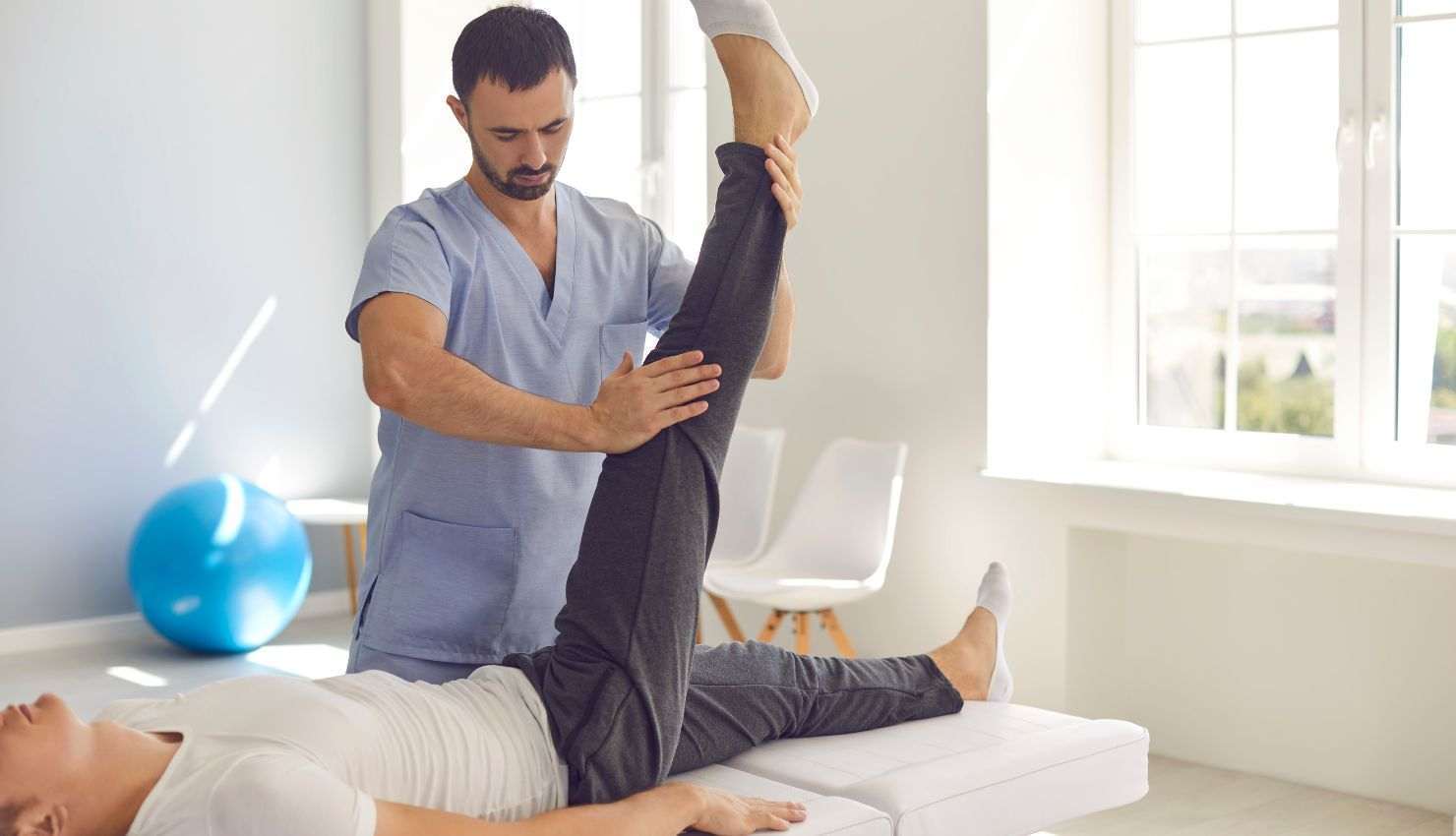
Immediately after surgery, the tendon repair site is protected using braces or splints to prevent excessive stress. During this phase, physiotherapists guide gentle, pain-free movements of nearby joints and isometric exercises to maintain muscle activation without stressing the tendon.
2. Gradual Range of Motion Restoration
As healing progresses, controlled passive and active range of motion exercises are introduced to prevent stiffness and promote flexibility. This helps the tendon glide smoothly within its sheath and surrounding tissues.
3. Progressive Strengthening
Once the tendon has sufficiently healed, strengthening exercises begin. These are carefully progressed from low-intensity isometrics to resistance exercises using bands, weights, or body weight. The goal is to rebuild the tendons tensile strength and improve muscle power.
4. Functional Training and Return to Activity
The final stages of rehab focus on restoring functional movements specific to your lifestyle or sport. Balance, coordination, and plyometric exercises prepare the tendon for dynamic loads, reducing the risk of re-injury.
Common Tendon Surgeries Benefiting from Rehab
Achilles tendon repair: Rehab emphasizes gradual weight-bearing and calf strengthening.
Rotator cuff repair: Focuses on shoulder mobility and strengthening the rotator cuff muscles.
Tennis elbow (lateral epicondylitis) surgery: Targets forearm muscle strengthening and wrist flexibility.
Patellar tendon repair: Rehab focuses on knee extension strength and stability.
Challenges in Tendon Rehab
Tendons heal slowly, and patience is critical. Rehab can be frustrating as progress may seem slow, but consistent effort is vital for optimal recovery. Close communication with your physiotherapist ensures your rehab stays on track without risking repair integrity.
Benefits of Post-Surgical Tendon Rehab
Prevents stiffness and scar tissue formation
Restores strength and muscle balance around the tendon
Improves tendon flexibility and joint mobility
Enhances functional ability and reduces pain
Minimizes risk of re-injury or chronic issues
Tips for Patients
Follow weight-bearing and activity restrictions carefully.
Perform prescribed exercises consistently.
Report any unusual pain or swelling to your therapist.
Maintain good nutrition to support tissue healing.
Be patient and trust the rehab process.
Why Professional Guidance Matters
Tendon rehab requires a specialized, individualized approach. At YourFormsUX in Canada, our expert physiotherapists understand the complexities of tendon healing and design programs that safely guide you from surgery to full recovery.
Conclusion: Restore Your Tendons Strength and Mobility
Post-surgical rehabilitation is essential for a successful recovery from tendon injuries. With a tailored physiotherapy program, you can regain strength, flexibility, and function, ensuring that your tendon heals well and supports your active lifestyle.
If youre recovering from tendon surgery, partnering with YourFormsUX means youre in expert hands dedicated to helping you rebuild and thrive.