Post-Surgical Rehab explores targeted strategies for recovery. Discover new paths to mobility, healing, and personalized care.

Surgery can be a necessary step to fix injuries, relieve pain, or correct medical conditions, but it often comes with a downsidereduced range of motion (ROM). Whether youve had joint replacement, ligament repair, or abdominal surgery, limited movement is a common challenge during recovery. Restoring your range of motion is essential to regain normal function, prevent stiffness, and return to daily activities comfortably.
Post-surgical rehabilitation plays a central role in helping you restore mobility safely and effectively, preventing long-term restrictions that can impact quality of life.
Why Range of Motion Matters After Surgery
Range of motion refers to the full movement potential of a joint, measured in degrees of a circle. After surgery, factors such as pain, swelling, scar tissue, and immobilization can limit this movement. If left untreated, restricted ROM can lead to:
Joint stiffness and contractures (permanent tightening).
Muscle weakness due to disuse.
Altered movement patterns causing secondary problems.
Functional limitations impacting everyday tasks and work.
Chronic pain due to compensations and poor joint mechanics.
Regaining full, pain-free movement is a critical goal for a successful recovery.
How Post-Surgical Rehab Restores Range of Motion
Physiotherapists use a combination of techniques to gradually increase joint mobility and flexibility while protecting the healing tissues.
1. Gentle Passive and Active Movements
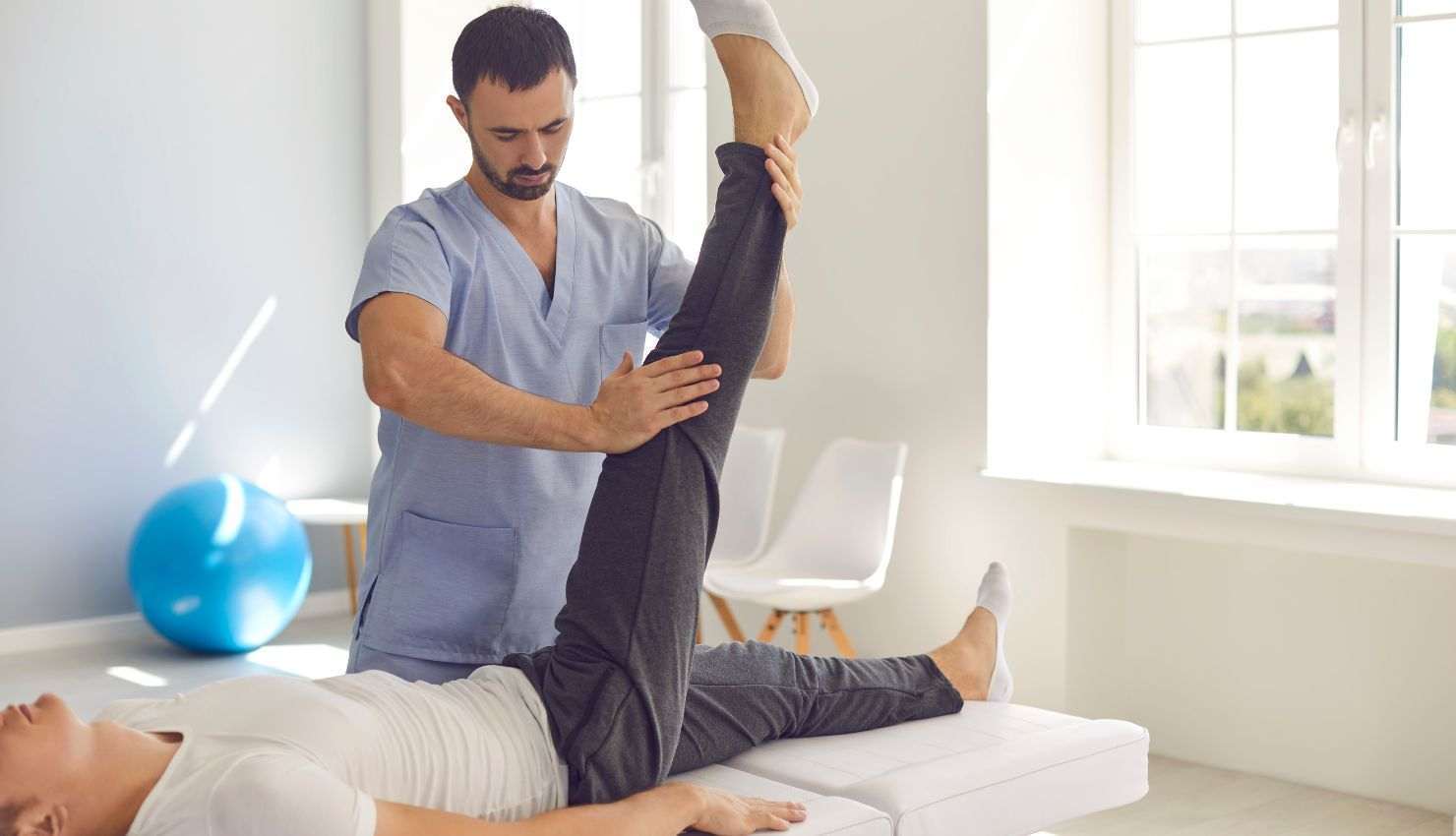
Early in recovery, your therapist may perform passive range of motion exercisesmoving the joint for you to prevent stiffness. As you progress, active range of motion exercises encourage you to move the joint yourself, rebuilding control and strength.
2. Stretching and Soft Tissue Mobilization
Targeted stretching helps lengthen tight muscles and connective tissues that restrict movement. Soft tissue mobilization techniques like massage and myofascial release reduce adhesions and improve tissue flexibility.
3. Joint Mobilizations
These manual therapy techniques involve specific movements applied to the joint by your therapist to increase mobility and reduce stiffness. Mobilizations can help break down scar tissue and improve joint mechanics.
4. Strengthening to Support Movement
Improving muscle strength around the joint is essential to maintain and enhance the restored range of motion. Strong muscles stabilize the joint and facilitate smooth movement.
5. Use of Modalities to Reduce Pain and Swelling
Managing pain and inflammation with ice, electrical stimulation, or ultrasound allows more comfortable movement during therapy sessions and daily life.
Timeline: How Soon Will You See Improvements?
Restoring range of motion is a gradual process. Some movement can often be initiated within days after surgery, depending on the procedure and surgeons guidelines. Consistent therapy over weeks to months is typically necessary for full recovery.
Your physiotherapist will track your progress and adjust exercises to match your healing stage, ensuring safe gains without overstressing tissues.
Tips for Patients to Maximize Range of Motion Recovery
Follow your therapists instructions: Consistency with exercises is key.
Avoid pushing into pain: Mild discomfort is normal, but sharp pain can cause setbacks.
Maintain good posture and body mechanics: This supports joint health.
Stay patient: Healing takes time, but steady progress leads to success.
Communicate any concerns: Inform your physiotherapist of changes or difficulties.
Why Professional Physiotherapy Matters
Rehabilitation after surgery is not a one size fits all approach. Physiotherapists tailor treatments based on your specific surgery, health status, and goals. They ensure exercises are done correctly, minimizing risks and maximizing benefits.
In Canada, access to licensed physiotherapy services like those at Your Forms UX (YFS) guarantees evidence-based, patient-focused care that puts your recovery first.
Final Thoughts
Limited range of motion after surgery doesnt have to be permanent. With a dedicated post-surgical rehab program, you can restore flexibility, reduce pain, and regain the full movement necessary to enjoy your daily activities and passions.
If youre recovering from surgery, engaging in professional physiotherapy early and consistently is your best step toward a smooth and successful recovery.