Assessment of Your Posture and Workspace A physiotherapist can:

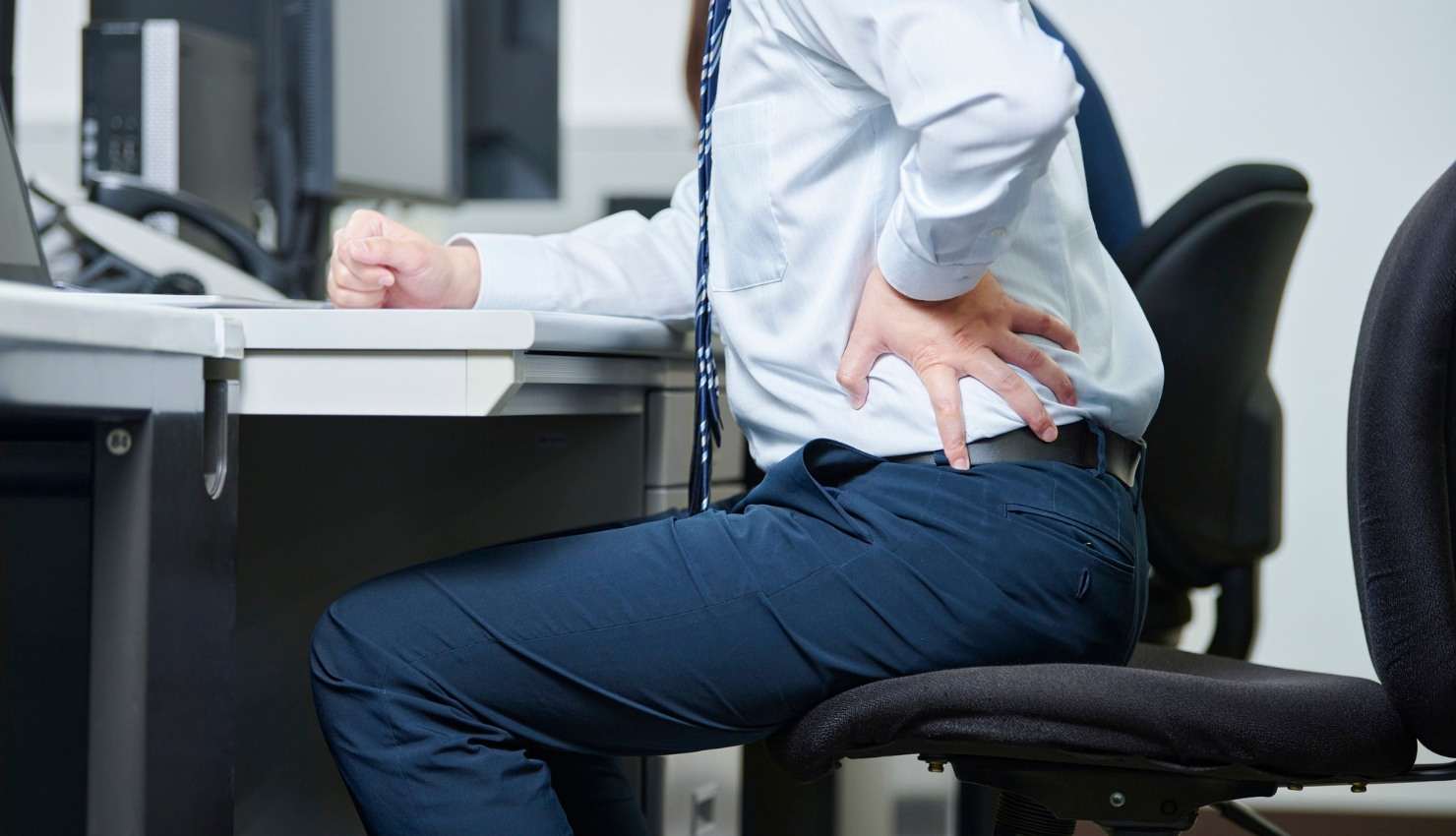
Assessment of Your Posture and Workspace
A physiotherapist can:
Evaluate your sitting and standing posture
Identify muscle imbalances or alignment issues
Recommend ergonomic modifications (desk height, chair support, monitor level)
? A professional assessment helps you tailor your workspace to your bodynot the other way around.
?? 2. Corrective Exercise Programs
Physiotherapy includes targeted exercises to:
Strengthen weak postural muscles (like the deep neck flexors, scapular stabilizers, and core)
Stretch tight areas (like hip flexors, pecs, and upper traps)
Improve endurance for sitting and standing tasks
?? Posture isnt just about sitting up straightits about building the strength to stay there comfortably.
?? 3. Education on Active Posture Awareness
Youll learn how to:
Perform posture checks throughout the day
Use cues like wall posture drills and reminders
Recognize fatigue slouching before it leads to pain
?? When you understand what good posture feels like, it becomes easier to maintain.
?? 4. Ergonomic Guidance for Your Home Office
A physiotherapist can guide you in setting up a workspace that supports your body:
Element Ergonomic Tip
Chair Lumbar support, adjustable height
Desk Elbows at 90°, wrists straight
Monitor Top of screen at or just below eye level
Keyboard/Mouse Close enough to avoid shoulder strain
Foot Support Flat on the floor or use a footrest
?? Even small adjustments can make a big difference over hours of desk work.
?? 5. Movement Integration Strategies
Physiotherapists encourage micro-movements and dynamic posture strategies:
Set reminders to move every 3060 minutes
Try desk exercises like shoulder blade squeezes or neck stretches
Incorporate standing tasks (calls, brainstorming) when possible
?? You dont have to sit perfectlyjust avoid sitting still for too long.
?? 6. Treatment for Posture-Related Pain
Experiencing back, neck, or shoulder discomfort? Physiotherapy can:
Use manual therapy to release tension
Provide taping or bracing support if needed
Offer tailored recovery protocols to heal and prevent recurrence
?? Pain is often the result of repeated poor habitsphysio helps break the cycle.
? Signs You May Need a Posture Check-Up:
Frequent headaches, especially at the end of the workday
Shoulder tension or stiffness in your neck
Slumping or rounded shoulders when seated
Lower back pain or hip tightness
Numbness in hands or forearms
Feeling fatigued even after minimal physical activity
?? Quick At-Home Posture Reset (Physio-Approved)
Stand against a wall: Heels, glutes, shoulders, and head should touch.
Tuck your chin slightly and roll your shoulders back.
Engage your core as if bracing before a cough.
Hold for 1015 seconds and repeat a few times a day.
?? Use this as a reset button when posture slips during long work sessions.