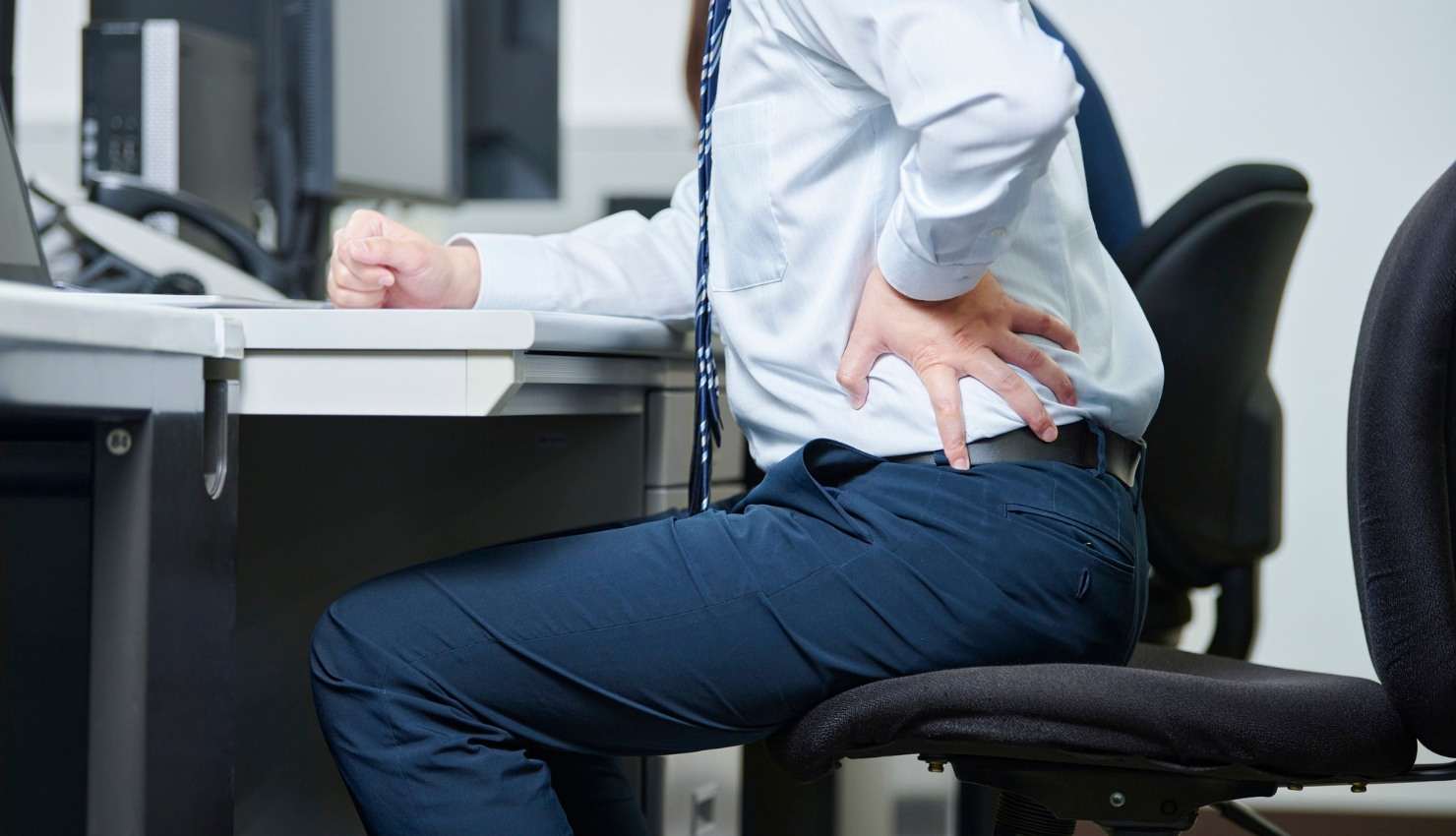
Ergonomic Office Chair: Your Spines Best Friend Your chair is the most important investment for posture and comfort.

Ergonomic Office Chair: Your Spines Best Friend
Your chair is the most important investment for posture and comfort.
What to look for:
Adjustable lumbar support to maintain the spines natural curve
Height adjustability so feet are flat on the floor
Armrests that support elbows at 90°
Seat depth adjustment for proper thigh support without cutting off circulation
Tilting backrest to encourage dynamic sitting
?? Physio tip: Add a small lumbar roll if your chair lacks built-in support.
?? 2. Sit-Stand Desk: Encourage Natural Movement
Sitting all day can lead to stiffness, but so can standing for too long. A height-adjustable desk allows you to switch positions easily throughout the day.
Benefits:
Reduces lower back pressure
Encourages micro-movements
Helps prevent slouching and spine compression
Boosts energy and circulation
?? Aim to alternate sitting and standing every 3060 minutes.
?? 3. Footrest: Essential for Proper Lower Body Alignment
If your feet dont touch the floor while sitting, your posture suffers.
Choose a footrest that:
Keeps knees at ~90° angle
Supports natural leg positioning
Has a non-slip surface and adjustable angle
?? A footrest improves pelvic alignment and reduces pressure on your lower back.
??? 4. Keyboard Tray or Adjustable Desk Surface
Proper keyboard and mouse positioning is key for shoulder and wrist health.
Ideal setup:
Elbows close to your sides, bent at 90°
Wrists straight, not bent up or down
Keyboard and mouse on the same plane and close to your body
?? If your desk is too high, a keyboard tray can lower your typing surface and protect your posture.
??? 5. Monitor Stand or Laptop Riser
Looking down at a screen all day strains your neck and upper back. The solution? Elevate your monitor.
Guidelines:
Top of the screen at or just below eye level
Distance: About an arms length from your face
Use a monitor arm or riser (even a stack of books will do)
?? Laptop user? Use an external keyboard and mouse to avoid hunching.
??? 6. Supportive Accessories to Complete the Setup
The right accessories enhance comfort and posture throughout your day.
Seat cushions: Improve alignment and relieve pressure on the tailbone
Anti-fatigue mat: Reduces foot and leg strain while standing
Document holder: Keeps paperwork at eye level to prevent neck strain
Desk lamp: Prevents leaning forward or squinting
?? Small additions can make a big difference in daily comfort.
?? 7. Furniture Placement for Optimal Movement and Focus
Furniture should support natural movement and visual alignment.
Setup tips:
Place your monitor directly in front of you
Keep your most-used items within arms reach
Ensure ample leg space under your desk
Keep shoulders relaxed and aligned with your ears
?? Good furniture placement = fewer distractions + better posture.
? Home Office Furniture Checklist for Posture
Furniture Piece Posture-Friendly Feature
Ergonomic chair Lumbar support, adjustable seat height
Sit-stand desk Adjustable height for dynamic working
Footrest Supports feet flat, improves leg alignment
Keyboard tray Keeps arms and wrists neutral
Monitor riser Aligns screen with eye level
Cushions/mats Pressure relief and standing comfort
????? Bonus: Ask a Physiotherapist
Not all bodies are the same. A physiotherapist can:
Assess your individual needs
Recommend customized furniture or adjustments
Create a movement plan to support your posture and reduce pain
?? Professional guidance = less trial and error, better long-term results.