Preventing and Recovering from Knee Injuries in Track Athletes with Physiotherapy explores targeted strategies for recovery. Discover new paths to mobility, healing, and personalized care.

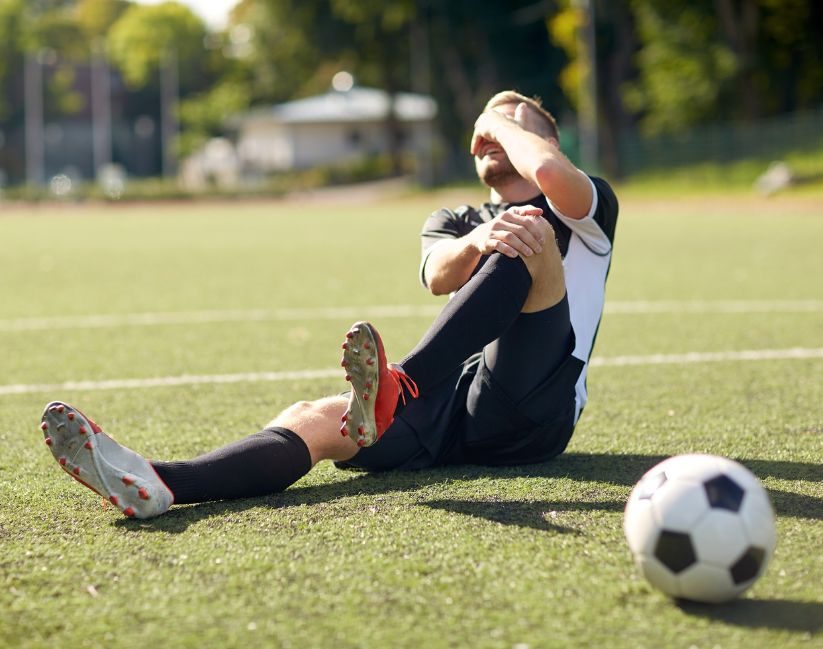
Knee injuries are among the most common and troublesome issues track athletes face. Whether sprinting, hurdling, or long-distance running, the repetitive stress and explosive movements involved put enormous pressure on the knee joint. Without proper prevention and recovery strategies, these injuries can sideline athletes for months or even end careers prematurely.
Fortunately, physiotherapy, especially when tailored specifically for track athletes, plays a pivotal role in both preventing knee injuries and facilitating effective recovery. This blog explores how physiotherapy supports track athletes in maintaining healthy knees, speeding up healing, and ultimately enhancing their performance.
Why Knee Injuries Are Common in Track Athletes
Track athletes constantly push their knees through high-impact, repetitive motions, including acceleration, deceleration, jumping, and sudden directional changes. This combination of forces can lead to several types of knee injuries:
Patellofemoral Pain Syndrome (Runners Knee): Caused by irritation of the cartilage beneath the kneecap due to overuse.
Iliotibial Band Syndrome: Inflammation of the IT band, leading to pain on the outer knee.
Meniscus Tears: Damage to the cartilage that cushions the knee joint, often due to twisting motions.
Ligament Injuries (ACL, MCL): From sudden changes in direction or impact.
Tendonitis: Inflammation of tendons like the patellar tendon from repetitive strain.
The knees complex anatomy, combined with the sports demands, requires a comprehensive, sport-specific approach to keep it injury-free and functioning optimally.
The Role of Physiotherapy in Knee Injury Prevention
Physiotherapy is not just for rehabits a powerful tool in injury prevention for track athletes. Heres how:
Assessment and Biomechanical Analysis
Physiotherapists conduct detailed assessments of running mechanics, gait, muscle imbalances, and joint alignment. By identifying weaknesses or faulty movement patterns early, they can intervene before injuries develop.
Strengthening and Conditioning
Targeted exercises strengthen muscles that support the knee, such as the quadriceps, hamstrings, gluteals, and calf muscles. Balanced strength reduces joint stress and stabilizes the knee during high-impact activities.
Flexibility and Mobility Training
Tight muscles and limited joint mobility can increase injury risk. Physiotherapy programs incorporate stretching and mobility exercises focused on the hips, hamstrings, calves, and IT band, promoting fluid and efficient movement.
Neuromuscular Training and Proprioception
Enhancing proprioceptionthe bodys ability to sense joint positionand neuromuscular control improves balance and coordination. This training helps athletes react quickly to maintain knee stability during dynamic track events.
Education on Training Load and Recovery
Physiotherapists guide athletes on optimal training volume, intensity, and recovery strategies to avoid overuse injuries. They also teach proper warm-up and cool-down techniques tailored to track sports.
Physiotherapy Strategies for Knee Injury Recovery in Track Athletes
When injuries do occur, physiotherapy plays an essential role in guiding recovery and helping athletes return to competition safely and effectively.
1. Early Intervention and Pain Management
Reducing inflammation and pain through manual therapy, modalities like ultrasound or TENS, and gentle movement is the first step. Early care minimizes tissue damage and speeds healing.
2. Regaining Range of Motion
Maintaining or restoring knee flexibility is critical. Physiotherapists use stretching, joint mobilizations, and controlled exercises to prevent stiffness and maintain mobility.
3. Progressive Strengthening and Stability Training
Rebuilding strength in key muscle groups supports knee stability. Progressive resistance training combined with functional movements mimicking running patterns helps restore muscle function.
4. Functional and Sport-Specific Drills
As recovery progresses, physiotherapists introduce running drills, agility exercises, and plyometrics that simulate track-specific movements. This phase prepares the knee for the stresses of competitive running.
5. Return to Sport Planning
Deciding when an athlete is ready to return to full training or competition involves evaluating strength, stability, pain levels, and psychological readiness. A gradual return with ongoing physiotherapy support minimizes reinjury risk.
How Physiotherapy Enhances Performance Beyond Injury Prevention and Recovery
Physiotherapy doesnt just help athletes bounce back from injuryit can actually boost performance by optimizing movement efficiency, muscle balance, and joint function.
Improved Running Mechanics: Fine-tuning gait patterns reduces unnecessary stress on the knees and conserves energy.
Enhanced Muscle Balance: Correcting imbalances between muscle groups prevents compensatory movements that slow athletes down.
Better Endurance: Stronger, well-conditioned muscles delay fatigue, allowing athletes to maintain form throughout races.
Increased Flexibility: Greater joint mobility contributes to longer strides and faster acceleration.
Tips for Track Athletes to Protect Their Knees
Warm up thoroughly before every session, including dynamic stretches and mobility drills.
Focus on strengthening hips, glutes, and core muscles to support knee alignment.
Maintain flexibility in the hamstrings, calves, and IT band.
Avoid sudden increases in training intensity or mileage.
Use proper running shoes suited to your foot type and running surface.
Listen to your body and seek physiotherapy support at the first sign of knee pain.
Why Choose Your Forms UX (YFS) for Physiotherapy Care?
At Your Forms UX (YFS) in Canada, our physiotherapy programs are designed specifically for track athletes. We understand the unique challenges and demands your sport places on your knees. Our expert therapists combine advanced assessment techniques with individualized treatment plans to help you prevent injuries and recover faster when they occur.
We prioritize:
Personalized care tailored to your event and goals.
Cutting-edge rehabilitation protocols.
Ongoing education to empower you in injury prevention.
A collaborative approach that keeps you active and competitive.