Preventing Back Injuries in Athletes with Sports-Specific Therapy explores targeted strategies for recovery. Discover new paths to mobility, healing, and personalized care.

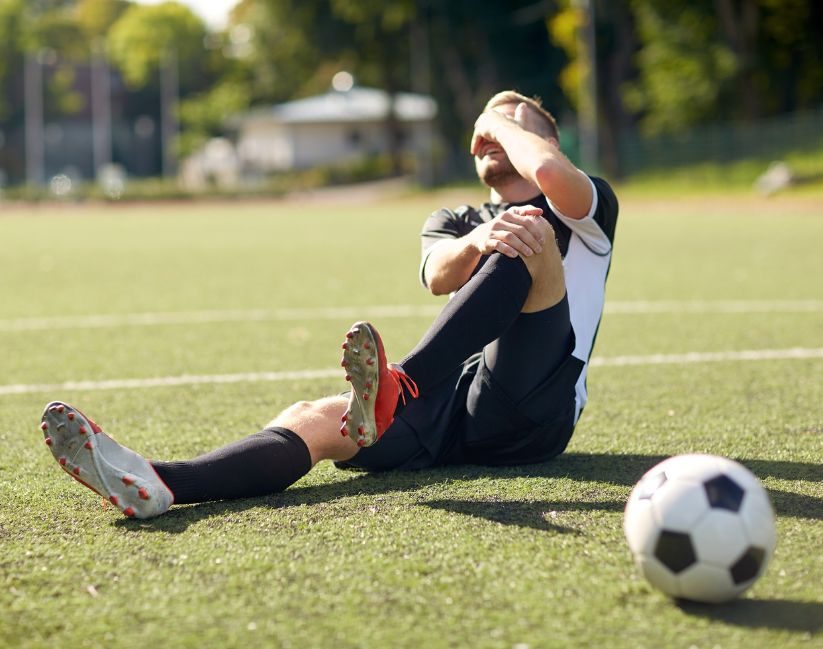
Back injuries are a significant concern for athletes across various sports, affecting performance, training continuity, and overall quality of life. The spine is central to virtually every athletic movement, from running and jumping to twisting and lifting. Consequently, ensuring a strong, flexible, and well-supported back is essential for both injury prevention and optimal performance.
Sports-specific therapy offers a tailored approach to preventing back injuries by focusing on the unique demands of each athletes sport, identifying risk factors, and providing targeted interventions that enhance spinal health and function.
In this blog, we explore how sports-specific therapy helps prevent back injuries in athletes, the key risk factors, and practical strategies to maintain a healthy back throughout training and competition.
Why Back Injuries Are Common in Athletes
The back, especially the lower lumbar region, is vulnerable to injury because it endures repetitive forces, impact, and twisting motions. Factors contributing to back injuries include:
Poor posture and biomechanics
Muscle imbalances and weaknesses
Overuse and repetitive strain
Sudden trauma or awkward movements
Inadequate warm-up or recovery
Sports like gymnastics, football, weightlifting, and rowing place high loads on the spine, increasing injury risk.
The Role of Sports-Specific Therapy in Back Injury Prevention
Sports-specific therapy focuses on identifying and correcting underlying issues that predispose athletes to back problems. This includes:
Detailed Movement and Postural Assessment
Physiotherapists analyze an athletes posture, spinal alignment, and movement patterns to spot biomechanical faults.
Targeted Strengthening Programs
Strengthening core muscles, including deep stabilizers like the transverse abdominis and multifidus, supports spinal integrity and reduces load on vertebrae.
Flexibility and Mobility Enhancement
Tight hip flexors, hamstrings, or thoracic spine can increase strain on the lower back. Stretching and manual therapy improve flexibility and joint mobility.
Neuromuscular Training and Proprioception
Balance and control exercises enhance spinal stability during dynamic sports movements.
Sport-Specific Technique Correction
Therapy incorporates coaching on proper lifting, twisting, and landing techniques to reduce injury risk during sport activities.
Common Back Injuries in Athletes and How Therapy Helps
Muscle Strains: Physiotherapy aids recovery and teaches preventive strengthening.
Disc Injuries: Therapy focuses on posture, core stability, and pain management.
Facet Joint Dysfunction: Manual therapy and mobility exercises relieve pain and restore function.
Spondylolysis: Customized rehab strengthens supporting muscles and manages load.
Practical Tips for Athletes to Maintain Back Health
Engage in regular core strengthening.
Maintain balanced flexibility in hips, hamstrings, and back.
Warm up thoroughly before activity.
Use proper techniques for lifting and sport-specific movements.
Avoid sudden increases in training intensity.
Schedule regular physiotherapy screenings.
Real-Life Benefits of Sports-Specific Back Injury Prevention
Athletes who undergo sports-specific therapy often report fewer episodes of back pain, improved functional capacity, and longer athletic careers. For example, a rower with recurring lower back pain improved spinal stability and reduced symptoms through targeted core work and movement retraining.
Conclusion
Back health is vital for athletic success and longevity. Sports-specific therapy offers a comprehensive, individualized approach to prevent back injuries by addressing biomechanics, strengthening, flexibility, and technique. Investing in preventive physiotherapy can keep athletes strong, pain-free, and performing at their best throughout their careers.
If youre an athlete concerned about back pain or injury prevention, consulting a physiotherapist specialized in sports therapy is a proactive step toward safeguarding your spine and performance.