Preventing Dance Injuries explores targeted strategies for recovery. Discover new paths to mobility, healing, and personalized care.

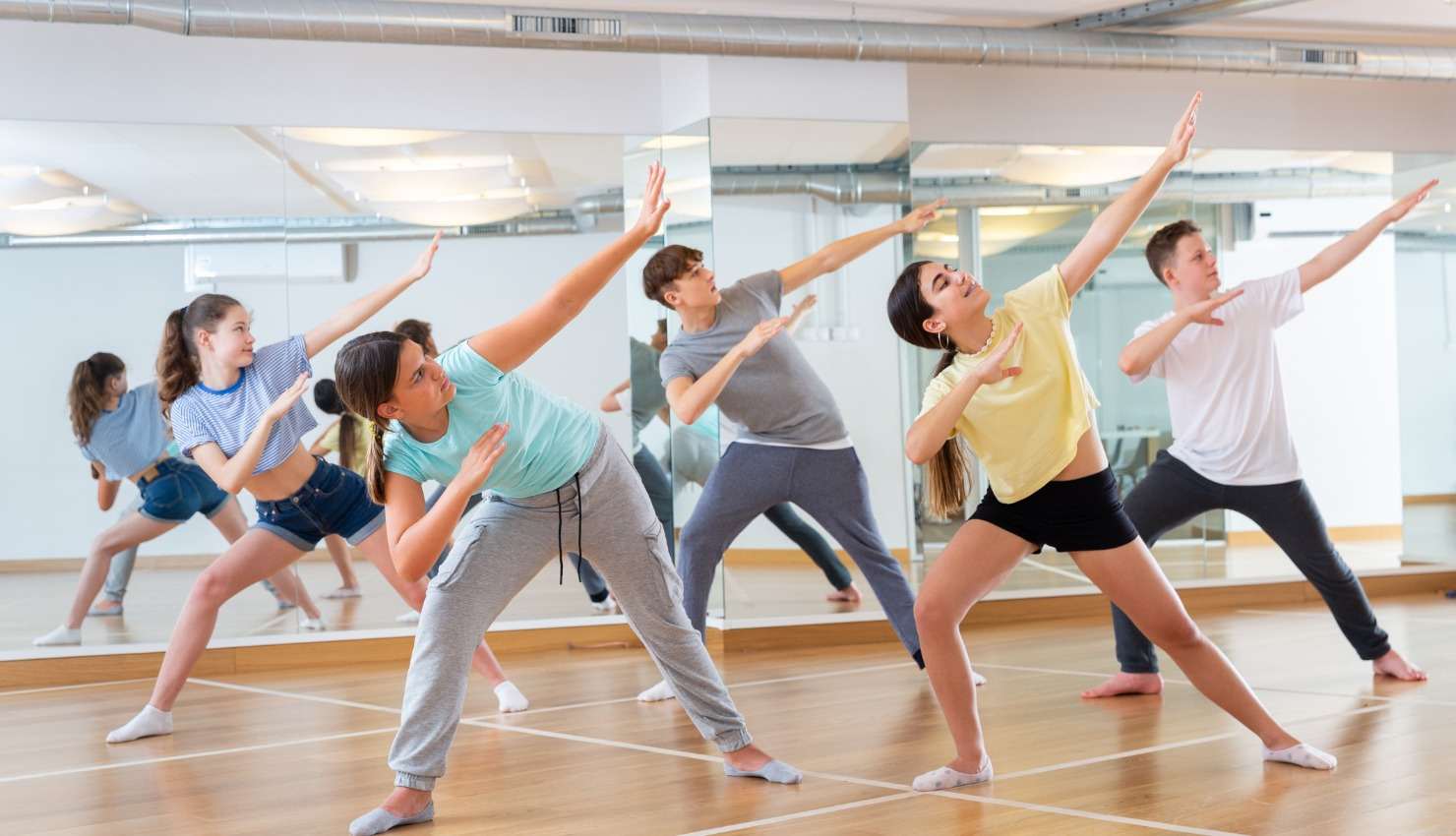
Movement Screening & Functional Assessments
Physiotherapists assess a dancers:
Joint range of motion
Posture and alignment
Muscle imbalances and weaknesses
Functional movement patterns (e.g., landing, turnout control)
?? Why it helps: Early detection of restricted motion or muscle dominance prevents small issues from turning into serious injuries.
?? 2. Individualized Conditioning Programs
Unlike general workouts, physio-led conditioning targets your specific dance needs:
Core stability for balance and control
Glute and hip strength for turnout support
Shoulder stability for partnering and port de bras
Calf and foot strength for jumps and pointe work
??? Why it helps: Balanced strength reduces joint stress and ensures safe movement mechanics.
????? 3. Dynamic Warm-Ups
A physiotherapist can design dance-specific warm-ups that include:
Dynamic stretches
Joint mobilization drills
Activation exercises (glutes, core, calves)
Gradual intensity increase
?? Why it helps: Prepares your muscles, joints, and nervous system for high-impact movementreducing the risk of strains and sprains.
?? 4. Targeted Flexibility Training
Instead of overstretching, physiotherapy focuses on:
Safe static and dynamic stretching
PNF (proprioceptive neuromuscular facilitation) for deep gains
Fascial release and breathing techniques
Alignment-aware mobility work
????? Why it helps: Improved mobility without compromising joint integrity reduces injury during extreme movements.
?? 5. Proprioception and Balance Training
Exercises include:
Single-leg balances
Stability challenges using wobble boards or foam pads
Turnout and landing control drills
?? Why it helps: Enhances body awareness and quick reflexesessential for preventing ankle sprains and knee misalignment during fast choreography.
?? 6. Overuse Monitoring and Load Management
Physiotherapists educate dancers on:
Signs of overtraining and early injury symptoms
How to manage rehearsal, class, and performance schedules
Recovery protocols (ice, compression, rest, nutrition)
Cross-training strategies to avoid burnout
?? Why it helps: Overuse injuries like tendonitis and stress fractures often arise from lack of rest or repetition without recovery.
?? 7. Foot and Ankle Care
Regular physio check-ins may include:
Foot alignment assessments (especially for pointe dancers)
Strengthening of intrinsic foot muscles
Ankle stability work
Manual therapy for overworked arches and Achilles tendons
?? Why it helps: Feet are a dancers foundationcaring for them helps prevent chronic pain and long-term dysfunction.
?? 8. Postural and Alignment Correction
Poor posture or misalignment (e.g., anterior pelvic tilt, pronated feet) increases stress on joints. Physio strategies include:
Spinal mobility work
Pelvic stabilization
Core re-education
Habitual postural correction during class and daily life
????? Why it helps: Better alignment distributes load evenly across the bodyreducing injury risk.
??? 9. Recovery & Regeneration Support
Physiotherapists recommend recovery strategies like:
Active recovery exercises (walking, gentle stretching)
Foam rolling and myofascial release
Ice baths or contrast therapy
Sleep and hydration optimization
?? Why it helps: Dancers recover faster, reducing inflammation and maintaining performance levels.
?? 10. Education and Self-Awareness
Dancers who understand their bodies are better at:
Noticing early signs of overload
Listening to fatigue signals
Knowing when to modify or rest
Communicating issues to teachers or directors