Preventing Dance Injuries with Physiotherapy explores targeted strategies for recovery. Discover new paths to mobility, healing, and personalized care.

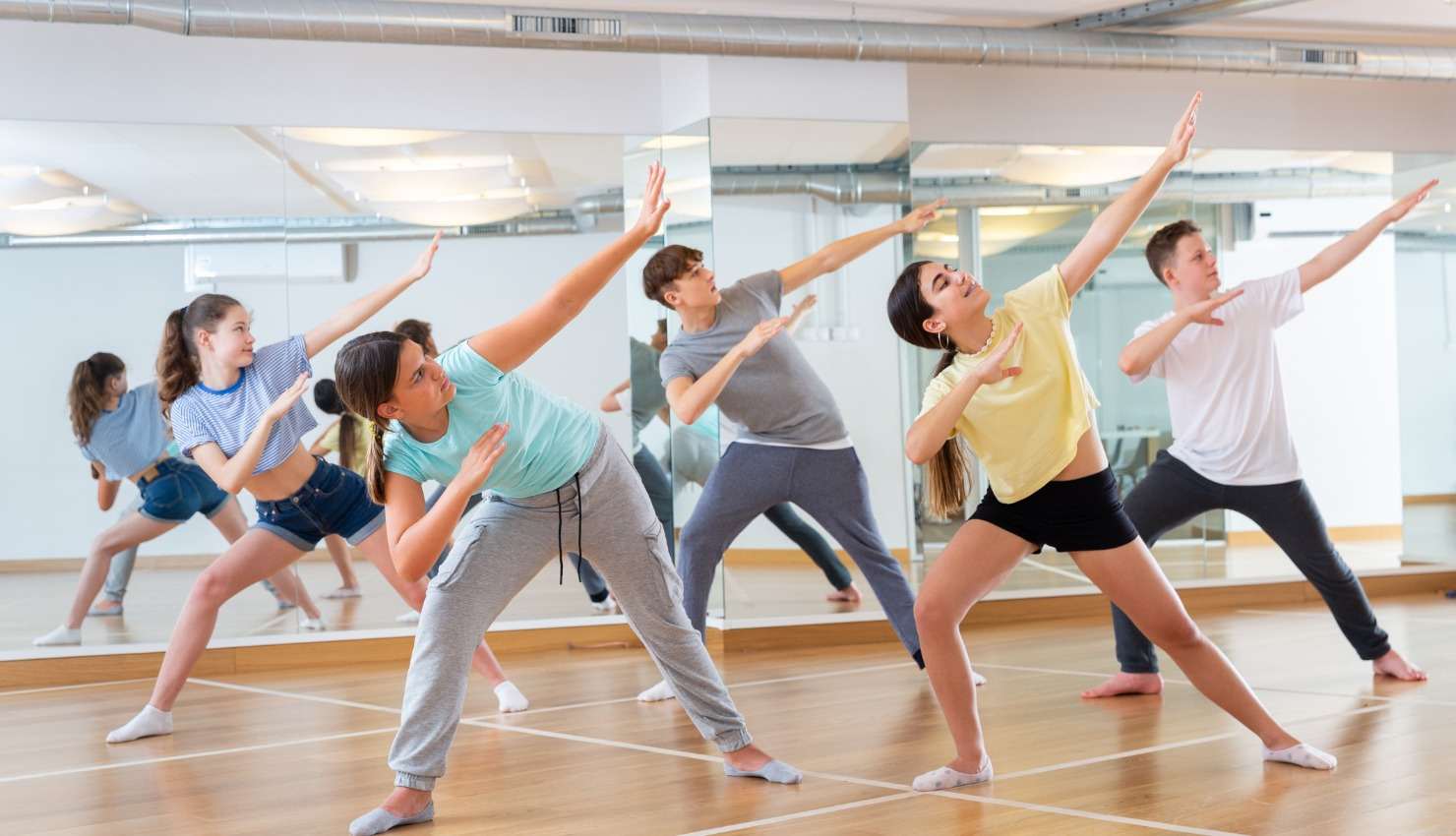
Dance combines artistry with athleticism, requiring:
Extreme range of motion
Explosive power
Repetition and symmetry
Weight-bearing on small joints (like feet and ankles)
This creates unique demandsand without proper conditioning, common injuries like sprains, strains, tendonitis, and stress fractures become all too familiar.
?? How Physiotherapy Prevents Dance Injuries
Physiotherapists are trained to detect early signs of dysfunction before they lead to injury. Heres how they help:
1. Biomechanical Assessments
Analyze how your body moves, lands, and balances
Detect asymmetries or poor alignment
Identify overused or underactive muscles
?? A slight hip drop or rolling foot could be a red flagphysios catch it early.
2. Strengthening Weak Links
Many dance injuries come from imbalanceslike strong quads but weak glutes, or flexible hamstrings but a weak core.
Physios prescribe:
Targeted strength work (especially stabilizers)
Core control and postural training
Muscle reactivation drills
?? Better strength = better support for joints and safer movement.
3. Mobility and Flexibility Work
Hypermobile joints without control can cause instability, while restricted areas lead to compensation elsewhere.
Physiotherapy focuses on:
Joint-specific mobility (e.g., ankles, hips, spine)
Active flexibility techniques
Safe stretching sequences to maintain range
?? Balanced mobility prevents overstretch injuries and improves form.
4. Neuromuscular Re-education
Injury risk often increases when the brain and body arent fully coordinated.
Physiotherapy includes:
Balance and proprioception training
Technique correction for jumps, landings, and turns
Movement pattern drills that reinforce safe mechanics
?? Better body awareness helps prevent missteps and awkward landings.
5. Load Management and Recovery Planning
Too much training without rest leads to overuse injuries.
A physiotherapist can:
Help structure your weekly workload
Teach you signs of overtraining
Integrate recovery techniques like myofascial release, taping, and icing
?? Knowing when to push and when to pause is key to injury prevention.
?? Common Dance Injuries Physiotherapy Helps Prevent
Injury Type Prevention Focus
Ankle sprains Balance work, proprioception, ankle strengthening
Knee pain (patellofemoral) Hip and glute control, proper jump technique
Lower back strain Core activation, postural alignment
Hamstring strains Eccentric strength, flexibility training
Tendonitis (e.g., Achilles, hip flexor) Load management, soft tissue release
? Key Takeaways for Dancers
Prevention is proactive, not reactivestart physio before pain starts.
Every dancer is differenta physiotherapist tailors care to your technique, body type, and dance style.
Small tweaks in movement can make a big difference in preventing chronic injuries.
Regular check-ins (monthly or per training phase) can keep you moving safely all season long.