Preventing Dance Injuries with Regular Physiotherapy Sessions explores targeted strategies for recovery. Discover new paths to mobility, healing, and personalized care.

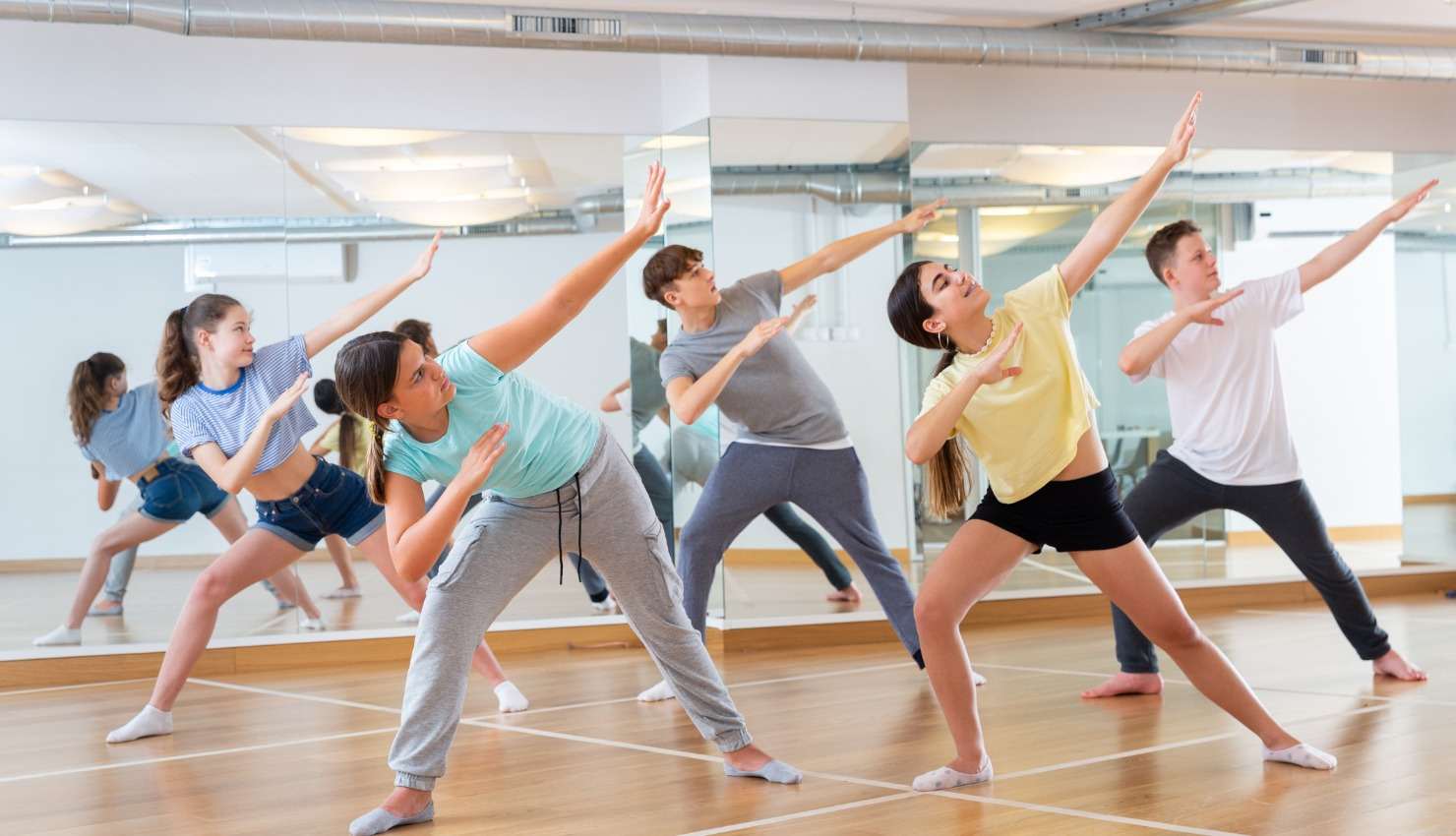
Dancers are elite athletes who demand precision, power, and grace from their bodies every day. But with this intense physical activity comes a high risk of injury. Fortunately, regular physiotherapy sessions can play a powerful role in injury prevention, allowing dancers to move more efficiently, stay pain-free, and perform at their best.
Why Dancers Are Prone to Injury
Dance combines repetitive movement, extreme ranges of motion, and high-impact activity. Common injury risks include:
Overuse of joints and muscles
Improper technique or alignment
Inadequate warm-up and recovery
Poor core strength or flexibility imbalances
Without preventive care, small imbalances or strains can progress into serious issues.
How Regular Physiotherapy Helps Prevent Injuries
1. Early Detection of Imbalances
Physiotherapists can spot subtle asymmetries, postural deviations, or movement dysfunctions before they lead to injury.
Benefits:
Correct faulty technique
Improve alignment and symmetry
Avoid overloading certain joints or muscles
2. Tailored Strength and Flexibility Programs
Individualized programs strengthen weak areas and stretch tight ones, balancing the body for optimal movement.
Benefits:
Reduce stress on vulnerable joints (e.g., knees, ankles, hips)
Improve control and stability during complex movements
Enhance performance while lowering injury risk
3. Improved Body Awareness and Technique
Physiotherapy enhances proprioception (body awareness), helping dancers move more efficiently and safely.
Benefits:
Fewer missteps and awkward landings
Greater precision in transitions and turns
Reduced strain from overcompensating muscles
4. Maintenance of Optimal Joint Mobility
Manual therapy and guided exercises ensure joints and soft tissues move freely and correctly.
Benefits:
Prevent stiffness and movement restrictions
Maintain turnout and flexibility
Reduce compensatory patterns that cause injury
5. Recovery and Regeneration Support
Even when not injured, dancers need recovery strategies to reduce fatigue and prevent overuse.
Benefits:
Muscle relaxation and tissue recovery
Fatigue management
Reduced inflammation after intense rehearsals or performances
How Often Should Dancers See a Physiotherapist?
Recreational dancers: Every 46 weeks for check-ins and preventive care
Pre-professional and professional dancers: Weekly or biweekly, especially during high training or performance periods