Preventing Foot and Ankle Injuries in Athletes with Sports-Specific Therapy explores targeted strategies for recovery. Discover new paths to mobility, healing, and personalized care.

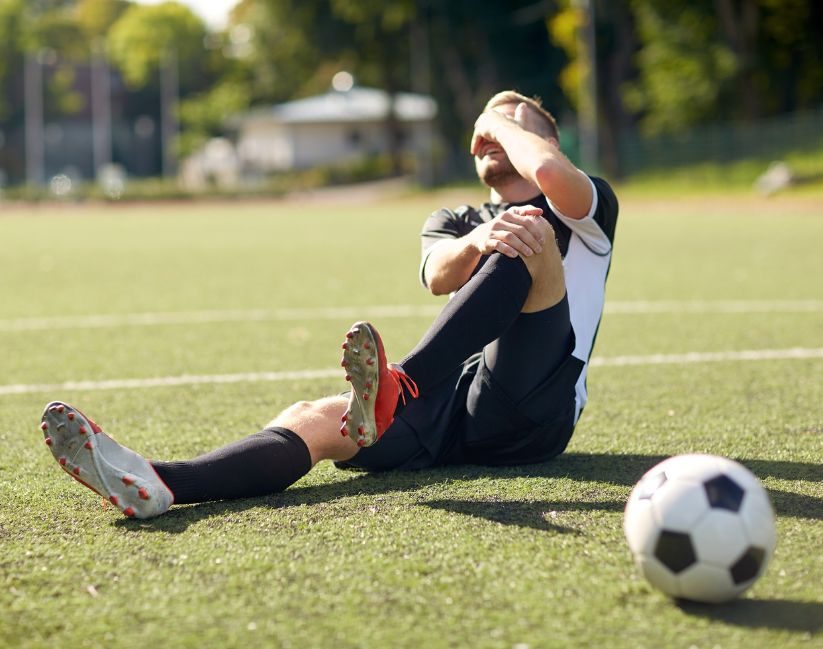
Foot and ankle injuries are among the most common complaints in athletes across almost every sportfrom basketball and soccer to running and gymnastics. These injuries can range from mild sprains to severe ligament tears or fractures, often leading to time away from training and competition. The key to staying active and injury-free lies in preventionand thats where sports-specific physiotherapy steps in as a game-changer.
At YourFormsUX, we focus on personalized, evidence-based physiotherapy programs that not only treat existing injuries but also help athletes proactively strengthen and protect their feet and ankles. This blog explores why foot and ankle injuries happen, how targeted therapy prevents them, and practical steps athletes can take to stay strong on their feet.
Why Foot and Ankle Injuries Are So Common in Sports
The foot and ankle complex is a biomechanical marvel designed to absorb impact, provide balance, and propel the body forward. However, the very demands of sportrapid direction changes, jumps, sprints, and uneven terraincan overload this intricate system.
Common foot and ankle injuries include:
Ankle sprains: Often caused by sudden rolling or twisting of the ankle.
Achilles tendonitis: Inflammation from repetitive strain on the tendon.
Plantar fasciitis: Heel pain due to inflammation of the plantar fascia.
Stress fractures: Tiny cracks caused by repetitive stress.
Turf toe: Sprain of the big toe joint common in sports with sudden stops.
These injuries disrupt training, reduce performance, and if neglected, may lead to chronic instability or arthritis.
How Sports-Specific Physiotherapy Prevents Injuries
Effective injury prevention is not just about avoiding harm but actively preparing the body to handle sport-specific stresses. Physiotherapists at YourFormsUX design programs tailored to your sports unique movement patterns, focusing on:
Strengthening Supporting Muscles
Strong muscles around the foot and ankle absorb shock and stabilize joints during dynamic movements. Physiotherapy targets:
Peroneal muscles: Help prevent ankle inversion sprains.
Tibialis anterior and posterior: Support arch stability and foot control.
Calf muscles: Critical for propulsion and absorbing landing forces.
Improving Proprioception and Balance
Proprioception is your bodys ability to sense joint position and movement. After an ankle injury, proprioception often decreases, increasing reinjury risk. Balance training using wobble boards or single-leg exercises retrains the nervous system to react quickly to uneven surfaces or unexpected shifts.
Enhancing Mobility and Flexibility
Limited ankle dorsiflexion (upward movement) is a risk factor for multiple injuries. Physiotherapists use joint mobilizations and stretching to maintain optimal range of motion, which is crucial for proper landing mechanics and shock absorption.
Correcting Biomechanical Faults
Abnormal foot alignment, such as overpronation or supination, alters load distribution and stresses tissues abnormally. YourFormsUX therapists assess gait and movement patterns, prescribing orthotics or corrective exercises to improve biomechanics.
Sports-Specific Considerations
Runners and Track Athletes: High repetitive impact requires excellent ankle mobility and calf endurance.
Basketball and Soccer Players: Frequent jumping and cutting demand strong proprioception and lateral stability.
Gymnasts and Dancers: Extreme ranges of motion necessitate both flexibility and strength.
Football and Rugby: Heavy contact and unpredictable terrain require robust joint stability and reactive control.
Customizing therapy based on these sport-specific demands improves both injury prevention and performance.
Essential Physiotherapy Exercises to Prevent Foot and Ankle Injuries
Single-Leg Balance with Eyes Closed
Challenge your balance on one foot, progressing to unstable surfaces to improve proprioceptive feedback.
Resisted Ankle Eversions and Inversions
Using resistance bands to strengthen the muscles controlling side-to-side ankle movements.
Calf Raises
Both straight-leg and bent-knee variations target different parts of the calf muscles and Achilles tendon.
Toe Curl and Spread Exercises
Increase foot intrinsic muscle strength that supports arch stability.
Ankle Dorsiflexion Stretches
Enhance mobility crucial for proper running and jumping mechanics.
Jump and Landing Drills
Teach safe landing techniques and improve shock absorption.
Practical Tips for Athletes
Wear Sport-Appropriate Footwear: Shoes designed for your sport with good support reduce injury risk.
Warm-up Thoroughly: Dynamic stretching and light activity prepare muscles and joints.
Avoid Sudden Training Load Increases: Gradual progression allows tissues to adapt.
Listen to Your Body: Early discomfort should prompt assessment and modification.
Incorporate Regular Physiotherapy Check-ins: Early detection of issues can prevent serious injuries.
Why Choose YourFormsUX for Foot and Ankle Injury Prevention?
YourFormsUX combines clinical expertise with sports science to deliver personalized therapy that fits your goals and sport. Our physiotherapists provide comprehensive assessments, hands-on treatment, and customized exercise plans designed to keep you strong, agile, and injury-resistant.
We work with athletes across Canada, ensuring you get the best care no matter your level or sport.
Final Thoughts
Foot and ankle injuries can derail athletic progress, but with the right preventive physiotherapy, you can build a foundation of strength, stability, and mobility that keeps you performing at your best. Dont wait for injurytake a proactive approach with YourFormsUX and stay ahead of the game.