


Create an Ergonomic Workspace A poor setup is one of the leading causes of muscle strain. Focus on:

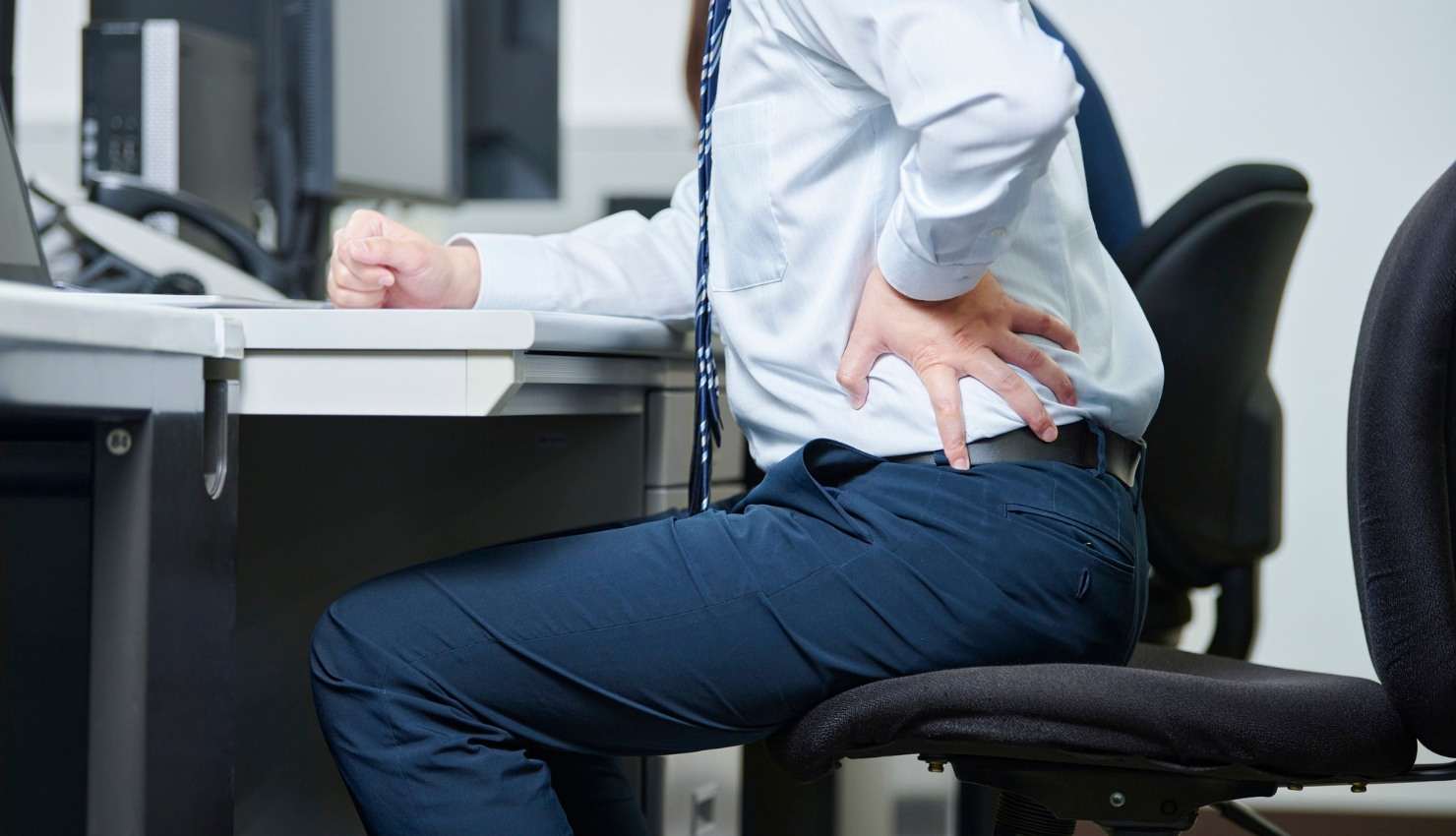
Create an Ergonomic Workspace
A poor setup is one of the leading causes of muscle strain. Focus on:
Chair support: Use a chair that supports your lower back and encourages upright posture.
Screen height: Your monitor should be at eye level to avoid forward head posture and neck strain.
Arm and wrist alignment: Keep your keyboard and mouse close so your arms can rest comfortably with elbows at 90° angles.
Tip: Place a small rolled towel at your lower back if your chair lacks lumbar support.
2. Maintain Proper Posture
Muscle tension often stems from long hours in a slouched position. Physiotherapists recommend:
Neutral spine: Sit tall with shoulders relaxed and pulled slightly back.
Feet flat: Keep your feet on the floor or on a footrest, and avoid crossing your legs.
Hips and knees: Both should be at 90° angles to reduce stress on the lower back.
3. Incorporate Micro-Movements
Even the best posture becomes a problem if held too long. Reduce static strain by:
Stretching every 3060 minutes: Gentle shoulder rolls, neck rotations, or wrist stretches go a long way.
Standing up briefly: Stand for calls, pace during meetings, or do a few calf raises beside your desk.
Changing positions: Alternate between sitting and standing if possible.
4. Do Daily Desk Stretches
Simple physiotherapy-inspired stretches can reduce tightness:
Neck stretch: Tilt your head to the side, bringing your ear toward your shoulder, and hold for 1520 seconds.
Chest opener: Clasp hands behind your back and gently pull your arms back to counteract slouching.
Upper trap release: Sit tall, gently pull your head diagonally down and forward to stretch the back of your neck.
Bonus: Use a foam roller or massage ball on tight shoulder or back muscles for added relief.
5. Manage Stress and Tension Triggers
Mental stress often shows up as physical tension. Combat it with:
Breathing exercises: Deep diaphragmatic breathing can relax your muscles and nervous system.
Mindful posture checks: Set a reminder to scan your body and reset your posture hourly.
Hydration and breaks: Dehydrated muscles are more prone to cramps and stiffnessso drink water regularly.
6. Strengthen to Prevent Recurring Tension
According to physiotherapists, strong postural muscles help support the body throughout long workdays.
Focus on core and upper back strength: Include exercises like planks, wall angels, and resistance band rows in your routine.
Include flexibility training: Gentle yoga or mobility routines can prevent stiffness from setting in.
7. Know When to Seek Help
If tension becomes chronic, painful, or limits your daily function:
See a physiotherapist: They can assess your posture, work habits, and muscle imbalances, then guide you through tailored solutions.
Don’t wait for pain: Early intervention prevents longer-term issues like tension headaches or nerve compression.

