Discover the wide-ranging benefits of chiropractic care for pain relief, mobility, and whole-body wellness.

(Because Your Devices Shouldnt Be a Pain in the Neck Literally)
Lets face it whether youre gaming, working, scrolling, or streaming, your screen time probably adds up fast. And while your mind is plugged in, your neck and back are paying the price. Enter: Tech Neck one of the most common modern-day posture problems.
If youve ever felt tightness at the base of your skull, pain between your shoulder blades, or lower back stiffness after hours at your screen, youre not alone. The good news? Physiotherapy can help not just to fix the pain, but to prevent it altogether.
?? What Is Tech Neck, Exactly?
Tech Neck is the term for the neck pain, tension, and poor posture that comes from looking down at screens for extended periods whether its a phone, tablet, laptop, or monitor. Combine that with long hours of sitting, and youve got a recipe for:
Forward head posture
Rounded shoulders
Tight neck and chest muscles
Weak back and core muscles
Lower back strain
Tension headaches
And yes all of this can come from simply sitting and using your devices. ??
????? How Physiotherapy Prevents & Treats Tech Neck and Back Pain
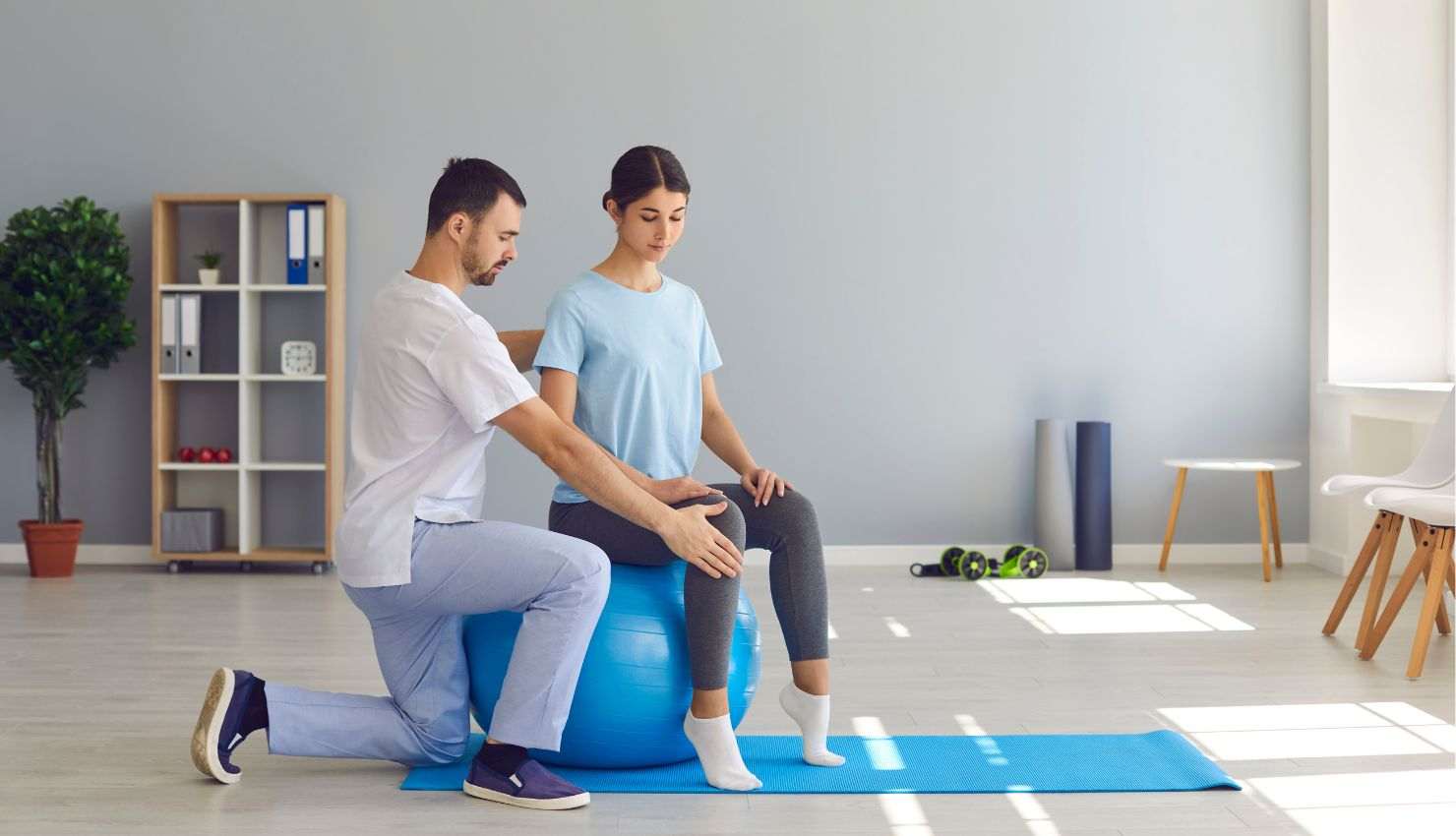
Physiotherapists are posture pros. They know exactly how to identify, treat, and prevent tech-related pain, using hands-on techniques and custom movement plans to keep your body aligned and pain-free.
Heres how they help:
? 1. Posture Assessment & Correction
A physiotherapist will look at how you sit, stand, and move then help you correct misalignments like:
Head jutting forward
Slumped shoulders
Excess curve in the lower back
Uneven weight distribution
Youll learn how to sit smarter, hold your head in a neutral position, and build habits that keep your posture strong without thinking about it every 5 minutes.
? 2. Stretching Tight Muscles
Long hours at screens cause certain muscles to become tight and short especially:
Neck extensors
Pectoral (chest) muscles
Hip flexors
Upper traps
Your physio will guide you through stretches to lengthen and loosen these muscles, relieving pressure and improving posture.
Must-try stretch:
?? Doorway Pec Stretch Great for opening up the chest and reversing the hunch.
? 3. Strengthening Weak Muscles
Good posture needs support and that comes from strength. Your physio will help you activate and build up key stabilizers, such as:
Deep neck flexors (for head support)
Rhomboids and middle traps (for shoulder retraction)
Core muscles (for spinal alignment)
Glutes (yes, your backside helps your back!)
These exercises train your body to maintain good posture effortlessly even during long screen sessions.
? 4. Manual Therapy for Pain Relief
Already in pain? Your physiotherapist may use techniques like:
Trigger point release
Joint mobilization
Soft tissue massage
These hands-on treatments relieve muscle knots, restore movement, and reduce inflammation in the neck and spine.
? 5. Ergonomic Education
One of the biggest tech neck triggers? A poor setup.
Your physio can help you fix your desk, gaming, or device-use habits, such as:
Raising your screen to eye level
Keeping your shoulders relaxed and back supported
Ensuring feet are flat on the floor
Using headsets instead of cradling your phone between ear and shoulder
Pro Tip: Even minor changes to your setup can have a major impact on how you feel at the end of the day.
??? At-Home Physiotherapy Tips for Tech Neck & Back Relief
?? Take movement breaks every 4560 minutes
?? Try daily chin tucks, shoulder blade squeezes, and gentle neck rolls
?? Use a lumbar roll or cushion to support your lower back
?? Elevate your monitor so your eyes hit the top third of the screen
????? Try standing for part of your day a standing desk or laptop riser can help
?? Final Thoughts: Your Neck and Back Deserve a Break
Technology is a big part of life but it shouldnt leave you in pain. With the help of a physiotherapist, you can reverse poor posture habits, relieve tension, and build strength where it matters most.
Whether youre a gamer, remote worker, or TikTok enthusiast, good posture is your secret weapon for feeling better, moving better, and staying pain-free screen time and all.