Optimize Your Desk Setup Your home office doesnt need to be fancy, but it should be ergonomic. Heres how:

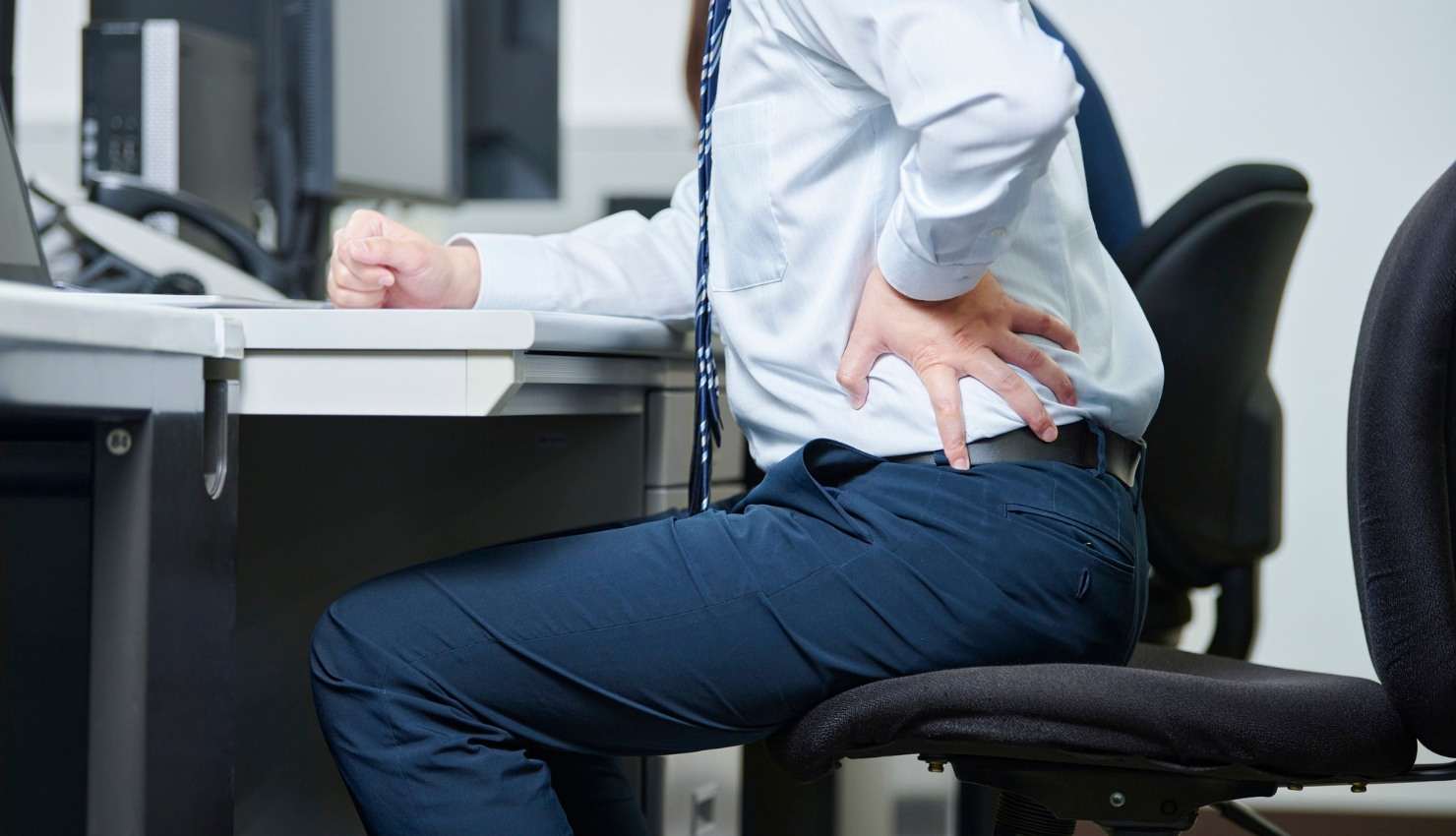
Optimize Your Desk Setup
Your home office doesnt need to be fancy, but it should be ergonomic. Heres how:
Chair: Choose a chair that supports the natural curve of your lower back. Use a small cushion or rolled-up towel if needed.
Monitor: Position your screen at eye level, about an arms length away. Avoid looking down at your laptop.
Keyboard & Mouse: Keep them close to your body and at elbow height to avoid reaching or shrugging your shoulders.
2. Practice Proper Posture
The best posture is one you can maintain comfortably:
Sit with your feet flat on the floor or on a footrest.
Knees should be level with or slightly lower than your hips.
Keep your shoulders relaxed and your back straightnot slouched or overly arched.
3. Take Movement Breaks
Sitting for hours puts stress on your spine. Set a timer to:
Stand up and stretch every 3060 minutes.
Walk around the room, do a few shoulder rolls, or try a standing desk.
Perform spinal mobility exercises like gentle twists and backbends.
4. Strengthen Core Muscles
A strong core supports spinal alignment. Add a few simple exercises to your day:
Pelvic tilts
Bird-dog stretches
Planks (start with short holds)
These exercises reduce strain on your back by improving stability.
5. Support Your Lower Back
Use a lumbar roll or a firm cushion to maintain the natural curve of your lumbar spine while sitting. This simple trick can significantly reduce discomfort during long work sessions.
6. Manage Stress and Muscle Tension
Tension often collects in your shoulders, neck, and lower back. Practice:
Deep breathing or mindfulness meditation
Gentle yoga or progressive muscle relaxation
Warm compresses for stiff areas
7. Stay Hydrated
Dehydration can affect spinal discs. Keep a water bottle nearby and sip regularly throughout the day to keep your spine hydrated and healthy.
Final Thought
Protecting your spine at home isnt just about sitting up straightits about creating a routine that encourages movement, supports alignment, and prevents strain. With these small adjustments, youll keep your spine strong, your posture upright, and your body pain-free.