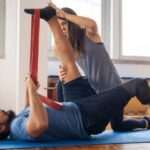
Real Talk About Pelvic Floor Dysfunction and Physiotherapy Treatment reveals an angle you may not have considered. Discover insight-rich strategies tailored to your healing path.


Pelvic floor dysfunction is more common than most people realizeand far less talked about than it should be. Many women live with discomfort, urgency, leaking, and tension without understanding whats happening in their body or where to seek help. The silence around pelvic floor health often leads to confusion, embarrassment, and a lack of access to effective treatment.
At YourFormSux (YFS), we believe in cutting through the noise with honest, supportive conversations about pelvic health. Physiotherapy is one of the most effective, science-backed tools available for treating pelvic floor dysfunctionand its time more women understood exactly how and why it works.
Lets have a real conversation about what pelvic floor dysfunction is, what its not, and how physiotherapy can help you reclaim control and confidence.
What Is Pelvic Floor Dysfunction?
Your pelvic floor is a group of muscles and connective tissues that form a hammock-like structure at the base of your pelvis. These muscles support your bladder, uterus, rectum, and spine. When these muscles are not functioning optimallyeither too tight, too weak, or poorly coordinatedits called pelvic floor dysfunction.
Common signs include:
Urinary incontinence (leaking when laughing, coughing, or sneezing)
Urgency or frequent trips to the bathroom
Difficulty emptying the bladder or bowels
Pelvic pressure, heaviness, or a falling out sensation
Pain during intimacy or tampon use
Low back, hip, or tailbone pain with no clear cause
It can be subtle or severe. It can happen after childbirth, menopause, surgeryor with no obvious trigger at all.
Why Pelvic Floor Issues Are Misunderstood
There are a lot of misconceptions surrounding pelvic floor dysfunction. Some of the most harmful include:
Its normal after having kids.
Its just part of getting older.
Nothing can be done except surgery or pads.
You just need to do Kegels.
If it doesnt hurt, its not a real problem.
These myths leave women feeling dismissed, unsupported, and unsure about their options. But heres the truth: Pelvic floor dysfunction is treatableand physiotherapy works.
What Pelvic Floor Physiotherapy Actually Involves
Pelvic physiotherapy isnt just about Kegels. Its a full-body, personalized approach to understanding and improving how your pelvic floor functions in relation to your posture, breath, lifestyle, and daily movement patterns.
At YFS, heres what a pelvic floor physiotherapy journey looks like:
1. Comprehensive Assessment (Internal & External)
We begin with a detailed assessment that may include:
A conversation about your symptoms, history, and daily routines
Observation of your posture, breathing, and core function
An internal exam (only if you’re comfortable) to assess muscle tone, tension, and coordination
Functional movement testing (e.g., squats, lunges, breathing under load)
This helps us identify if your pelvic floor is too tight, too weak, or not syncing with the rest of your body.
2. Education and Body Awareness
Understanding your body is the first step toward healing. Many women dont know what their pelvic floor is supposed to dolet alone how to control it.
We teach you how to:
Identify your pelvic floor muscles
Coordinate your breath with core and pelvic activation
Recognize signs of tension, overuse, or holding patterns
Support your pelvic floor during daily activities like lifting, exercising, or using the bathroom
Knowledge becomes your first line of defense.
3. Manual Therapy and Release Techniques
If your pelvic floor is holding excessive tensionoften called a hypertonic pelvic floorwe use hands-on techniques to release tight tissues and reset muscle tone.
This may include:
Internal and external manual therapy
Myofascial release for hips, thighs, lower back, and abdomen
Trigger point therapy for pain and discomfort
Pelvic floor lengthening work to reduce guarding and improve mobility
Release work is gentle but powerfuland often a missing piece for women whove only tried strengthening.
4. Strengthening and Functional Retraining
If weakness is contributing to symptoms like leakage or prolapse, we guide you through evidence-based strengtheningwithout overloading or isolating muscles incorrectly.
We build:
Core integration for long-term pelvic support
Hip and glute strength to relieve pelvic pressure
Breath-coordinated pelvic floor activation
Functional movement like squats, lifts, and walking patterns
No mindless Kegelsjust purposeful, strategic movement that gets results.
5. Lifestyle Strategies for Daily Support
Your pelvic floor doesnt just need help during therapy sessionsit needs support 24/7. Thats why we help you adjust the little things that make a big difference.
Youll learn:
Toileting posture for bladder and bowel health
How to manage constipation and pressure habits
How to safely exercise or return to sport
Tips for intimacy, travel, parenting, and work-life
Physiotherapy gives you tools for lifenot just a short-term fix.
When Should You Seek Help?
If any of the following apply to you, its time to get assessed by a pelvic physiotherapist:
You leak during physical activity, laughing, or sneezing
You feel pressure or heaviness in your pelvic area
You have trouble starting or fully emptying your bladder or bowels
You experience pain with sex or tampons
Youve had pelvic surgery, childbirth, or hormonal shifts
Youve been told everything is finebut you know it isnt
Trust your body. Even subtle symptoms deserve attention.
Final Thoughts
Pelvic floor dysfunction isnt just physicalit affects your identity, confidence, and everyday freedom. And the worst part is, most women suffer in silence, thinking their symptoms are too minor, too embarrassing, or too normal to fix.
At YourFormSux, were here to change that. Physiotherapy offers a real, proven path to recoverywithout surgery, shame, or short-term solutions. This is your reminder: youre not broken. Youre not alone. And with the right support, your body can heal in ways you never thought possible.